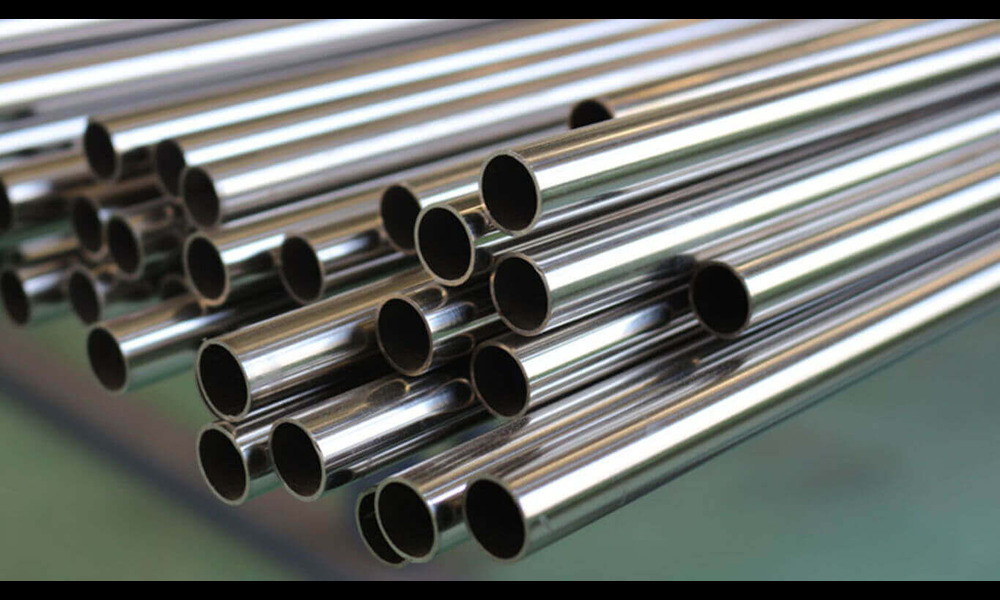
Industrial piping carries fluids and gases under heat, pressure, vibration, and often in places where failure is not an option. In these systems, fittings control flow, manage direction, and hold the whole line together. This is where alloy steel fittings become important. At Simplex Fittings, we see every day how the right material choice changes performance, safety, and long-term cost in real plants.
What Are Alloy Steel Fittings?
Alloy steel fittings are pipe components made from steel mixed with small amounts of other elements such as chromium, molybdenum, and nickel. They make it stronger, more stable under heat, and better at dealing with harsh service.
Carbon steel mainly contains iron and carbon, and works well in many normal piping systems. But once pressure and temperature go up, its limits start to show. Stainless steel is built for corrosion resistance, but it can be costly and is not always needed when the main challenge is heat or load. Alloy steel falls between these two in a useful way. It brings higher strength than carbon steel and more control over properties than basic stainless grades.
When chromium is added, the steel resists oxidation and scaling. Molybdenum improves strength at high temperatures and helps the material handle pressure without creeping. Nickel adds toughness and keeps the steel from becoming brittle. Together, these elements give alloy steel pipe fittings the balance that heavy industry needs.
Common Types of Alloy Steel Fittings Used in Piping
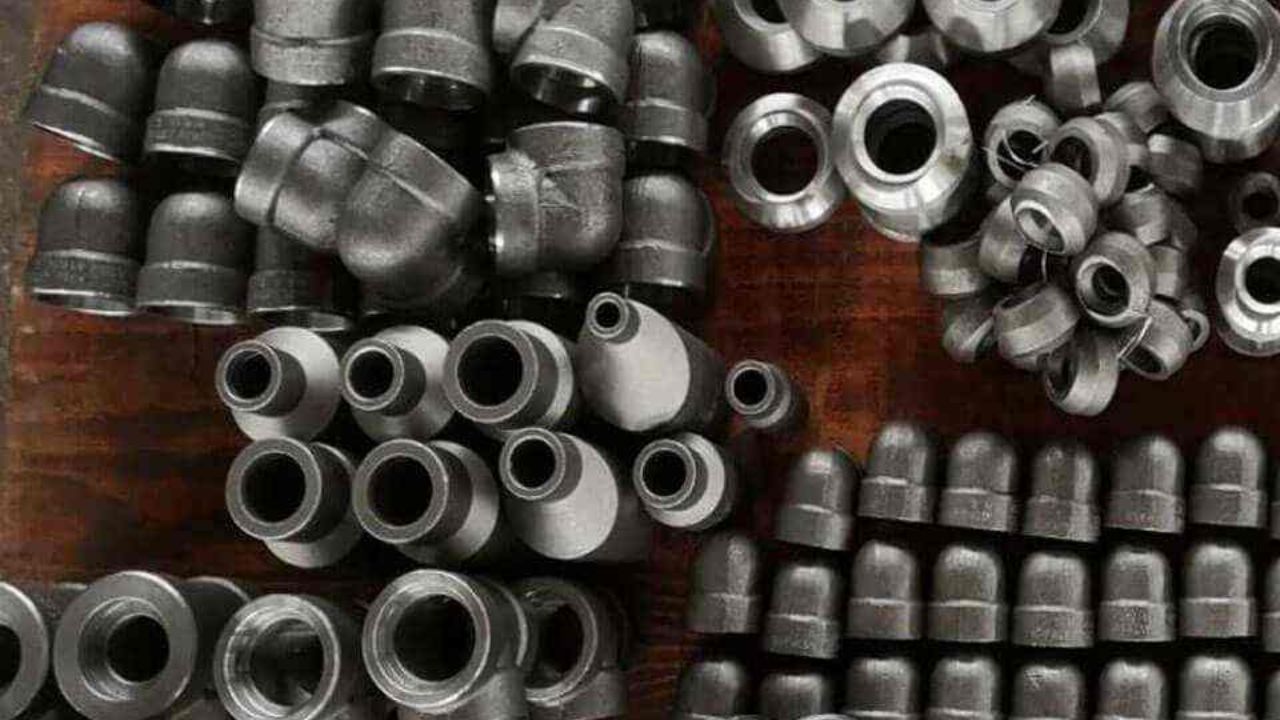
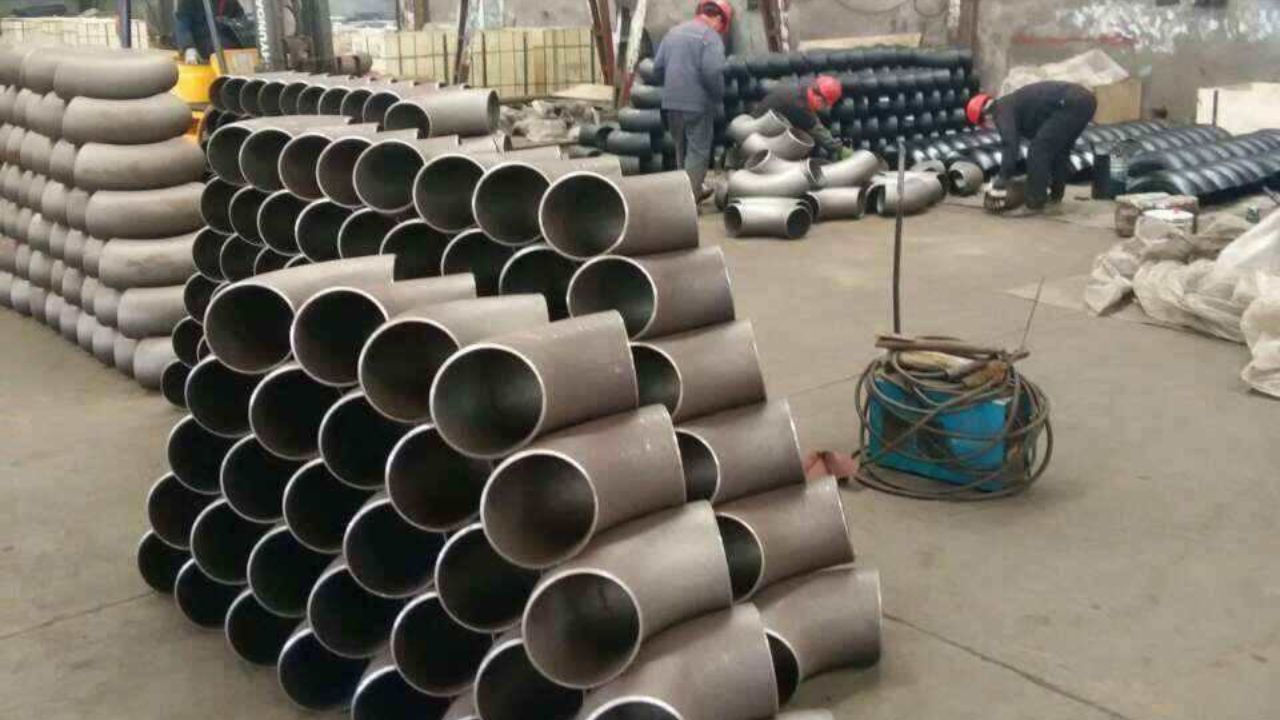
In a piping network, different fittings guide how the flow moves and how stress is handled. Alloy steel elbow fittings change direction, often in tight spaces where flow speed is high. These elbows face strong internal force and thermal expansion, so material strength matters.
Alloy steel tee fittings split or combine flow. In process plants, tees see uneven loads because fluid hits the branch with force. Using alloy steel here keeps the shape steady even when pressure jumps.
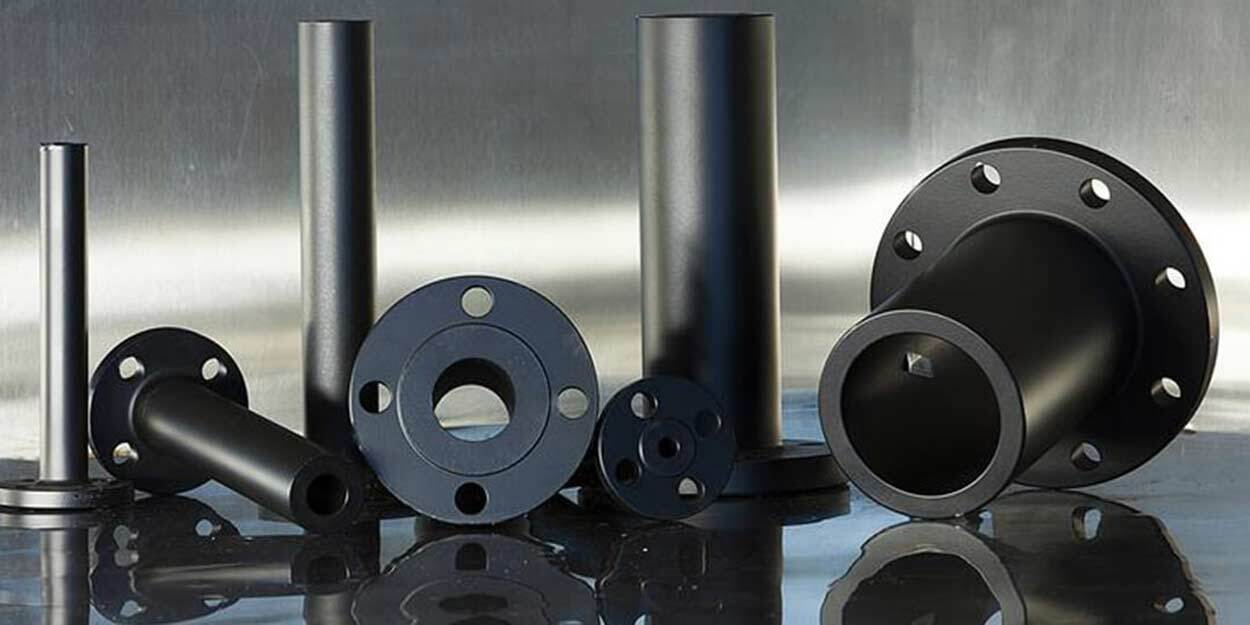
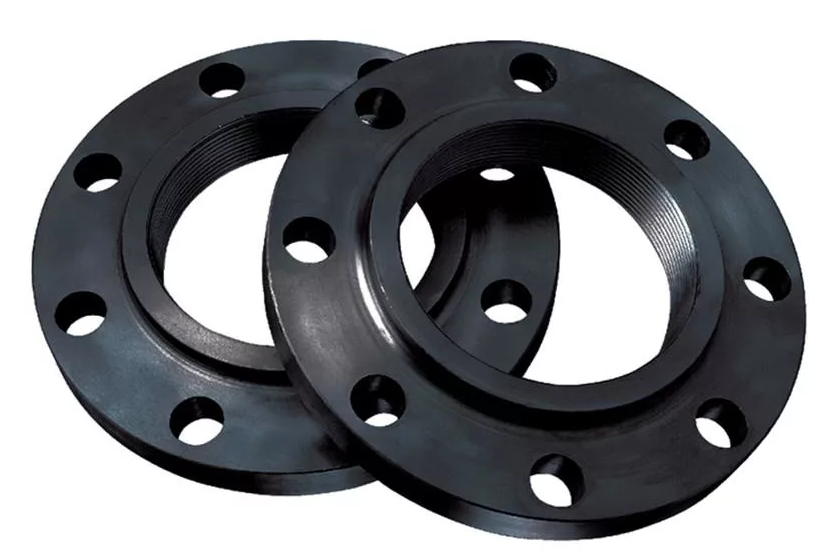
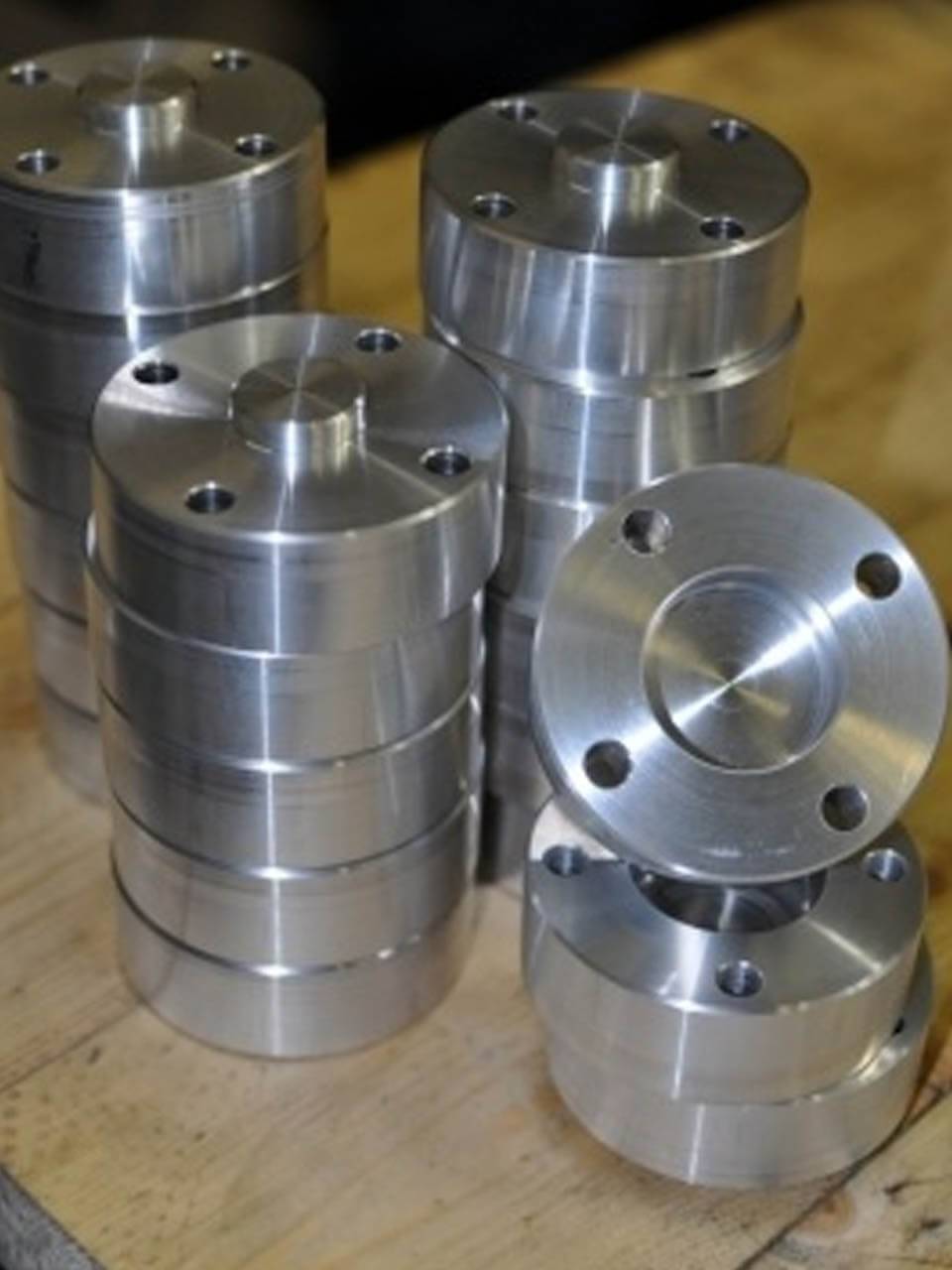
Reducers connect pipes of different sizes. They help control flow rate and pressure drop. Couplings join straight lengths of pipe. Flanges allow sections to be bolted together for easy removal during maintenance. In all these parts, alloy steel is chosen because these fittings live at the stress points of the system. When pressure rises or heat cycles up and down, these joints are where failure would start if the material were weak.
Key Advantages of Alloy Steel Fittings in Industrial Applications
The advantages below link straight to how a plant runs. Reliability, safety, and the cost of keeping lines open all depend on them.
High Strength and Mechanical Performance
Alloy steel fittings carry more load than standard steel ones. Their tensile and yield strengths are higher, which means they resist stretching and cracking when pressure climbs. In a high-pressure pipeline feeding a compressor, or in a heavy machine that moves hot fluid through narrow lines, the fittings take the stress first. Alloy steel keeps its shape and holds its seal. That stability keeps leaks and sudden failures away from the work floor.
Excellent Resistance to High Temperature and Pressure
Heat and pressure often arrive together. Boilers, heat exchangers, and refinery units push both to their limits. Alloying elements in these fittings hold the steel together when temperatures rise. They also slow down creep, the slow movement that can weaken steel over time. In steam lines and power plant piping, this matters. A fitting that stays stable under heat keeps the whole system safe and steady.
Improved Corrosion and Oxidation Resistance
Chemical plants, offshore platforms, and oil and gas pipelines contain moisture, salts, and reactive media. Alloy steel fittings resist rust and surface damage better than basic carbon steel. Chromium forms a thin protective layer. Molybdenum helps in wet and salty conditions by resisting pitting and crevice corrosion. All of this leads to slower metal loss and fewer weak spots.
Long Service Life and Reduced Maintenance
Durability and longevity of fittings reduce shutdowns and repair work, and keep the operations running.
Better Fatigue and Wear Resistance
Many industrial systems never run in a smooth, steady way. Pumps start and stop. Pressure goes up and down. Vibration passes through the pipework. Alloy steel handles this cycling better than softer steels. It resists cracking from repeated stress and holds up against mechanical wear. In petrochemical plants and heavy manufacturing lines, this makes a clear difference.
Industry Applications of Alloy Steel Fittings
Material choice depends on how a system works and what it faces every day. Alloy steel fits where demands stay high.
Oil and Gas Industry
From drilling fields to refineries, pressure and corrosive media shape every line. Alloy steel fittings handle sour gas, high flow rates, and extreme temperatures without losing integrity. They support upstream extraction, midstream transport, and downstream processing with the same steady performance.
Power Generation and Thermal Plants
Steam lines and boiler piping run hot and under load for years. Alloy steel fittings keep their strength and do not deform under long-term heat. This supports turbine efficiency and keeps safety margins in place.
Chemical and Petrochemical Processing
Chemical plants need fittings that handle pressure and resist attack from process fluids. Alloy steel offers that balance. It keeps joints tight and surfaces stable, which lowers the risk of leaks and sudden breakdowns.
Heavy Engineering and Manufacturing
Large machines and process lines create vibration and mechanical stress. Alloy steel fittings absorb these forces without cracking. This helps factories run without constant repair stops.
Standards, Grades, and Quality Considerations
Alloy steel fittings are made to recognised standards such as ASTM and ASME, with grades chosen to match service needs. What matters most is compliance and testing. At Simplex Fittings, our system keeps material traceability, dimensional checks, and pressure testing in line with international rules.
Factors to Consider When Selecting Alloy Steel Fittings
Choosing the right fitting means looking at pressure, temperature range, and how aggressive the fluid is. The piping code being used also matters. A steam line in a power plant needs a different grade from a chemical transfer line. When these factors are matched correctly, alloy steel delivers its full value.
Why Alloy Steel Fittings Are a Cost-Effective
Alloy steel fittings cost more at the start than basic steel ones. Over time, they save money. Fewer failures mean less downtime. Longer life means fewer replacements. Lower maintenance cuts labour and spare part bills. When these are added together, the total cost of ownership drops, even if the purchase price was higher.
Conclusion
Alloy steel fittings bring strength, heat resistance, corrosion control, and long working life into one material. In industrial piping systems where conditions stay tough, these qualities matter every hour of operation. At Simplex Fittings, we use this understanding to produce fittings that keep plants running, safely and steadily, year after year. Alloy steel is not a luxury in these systems. It is a practical engineering choice that pays back through performance and reliability.