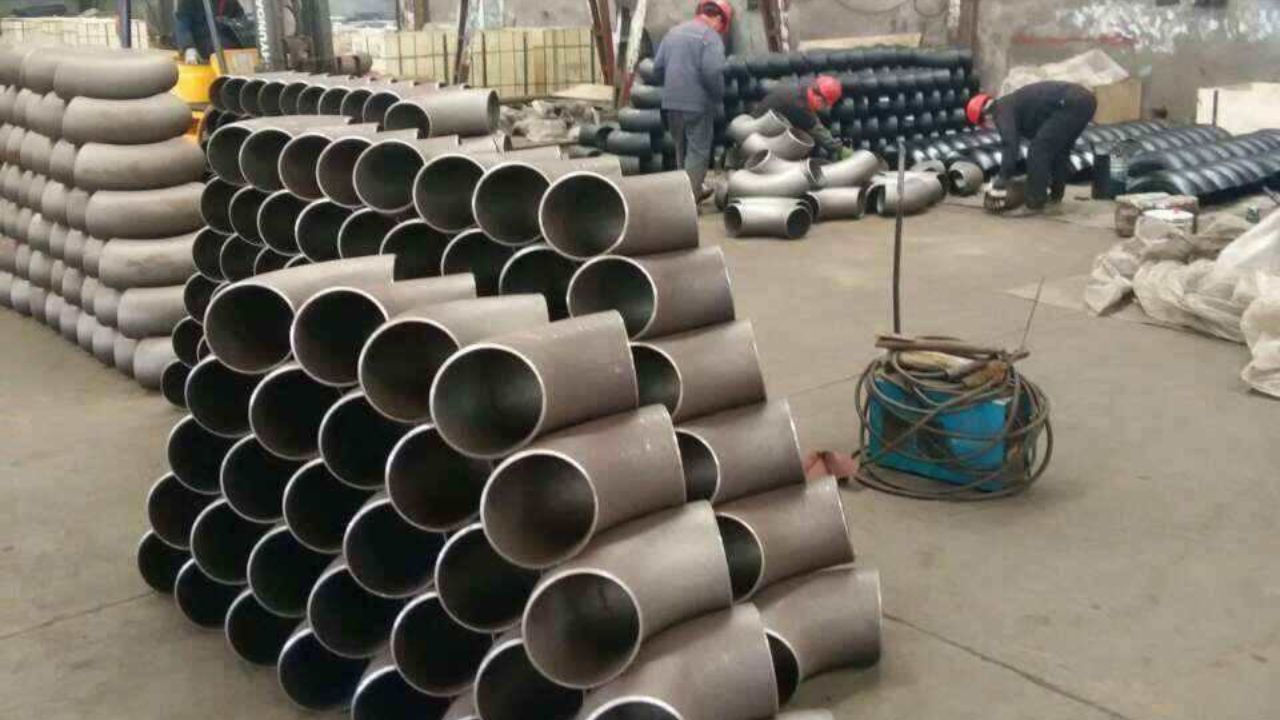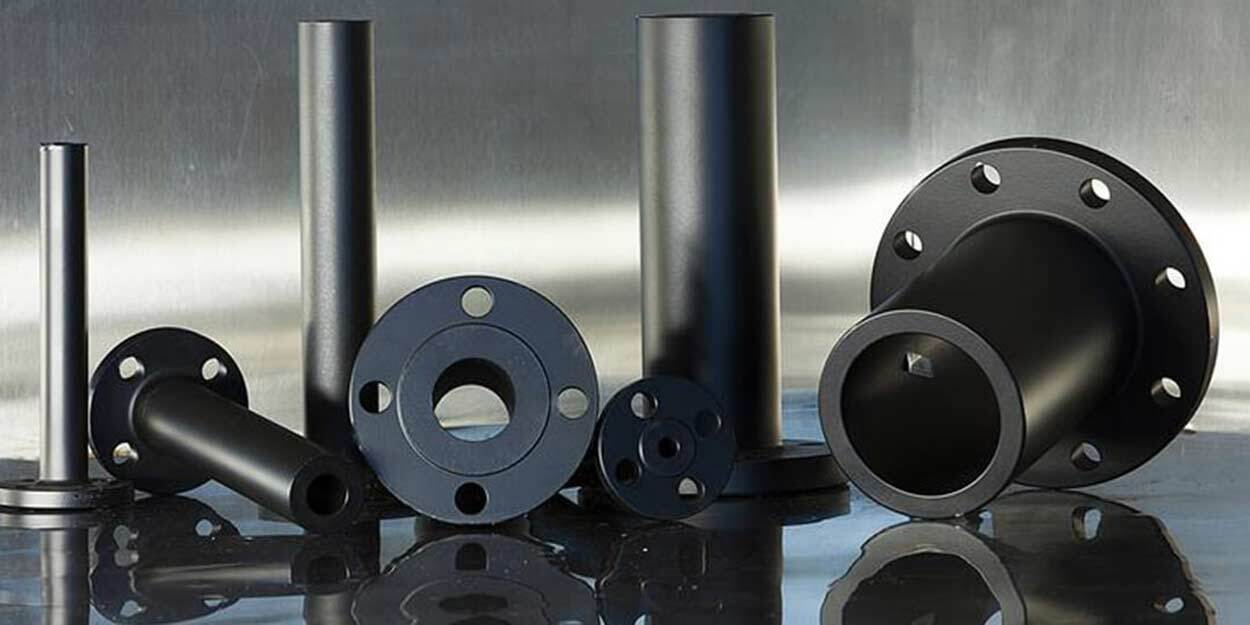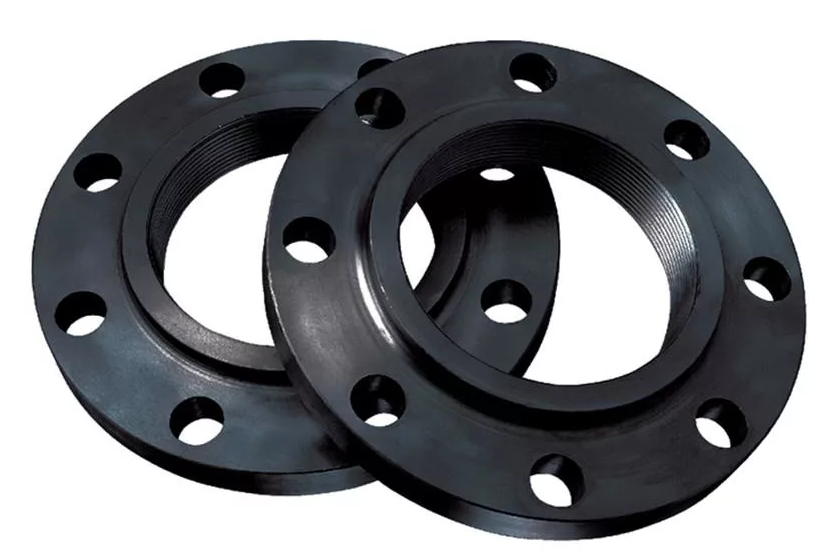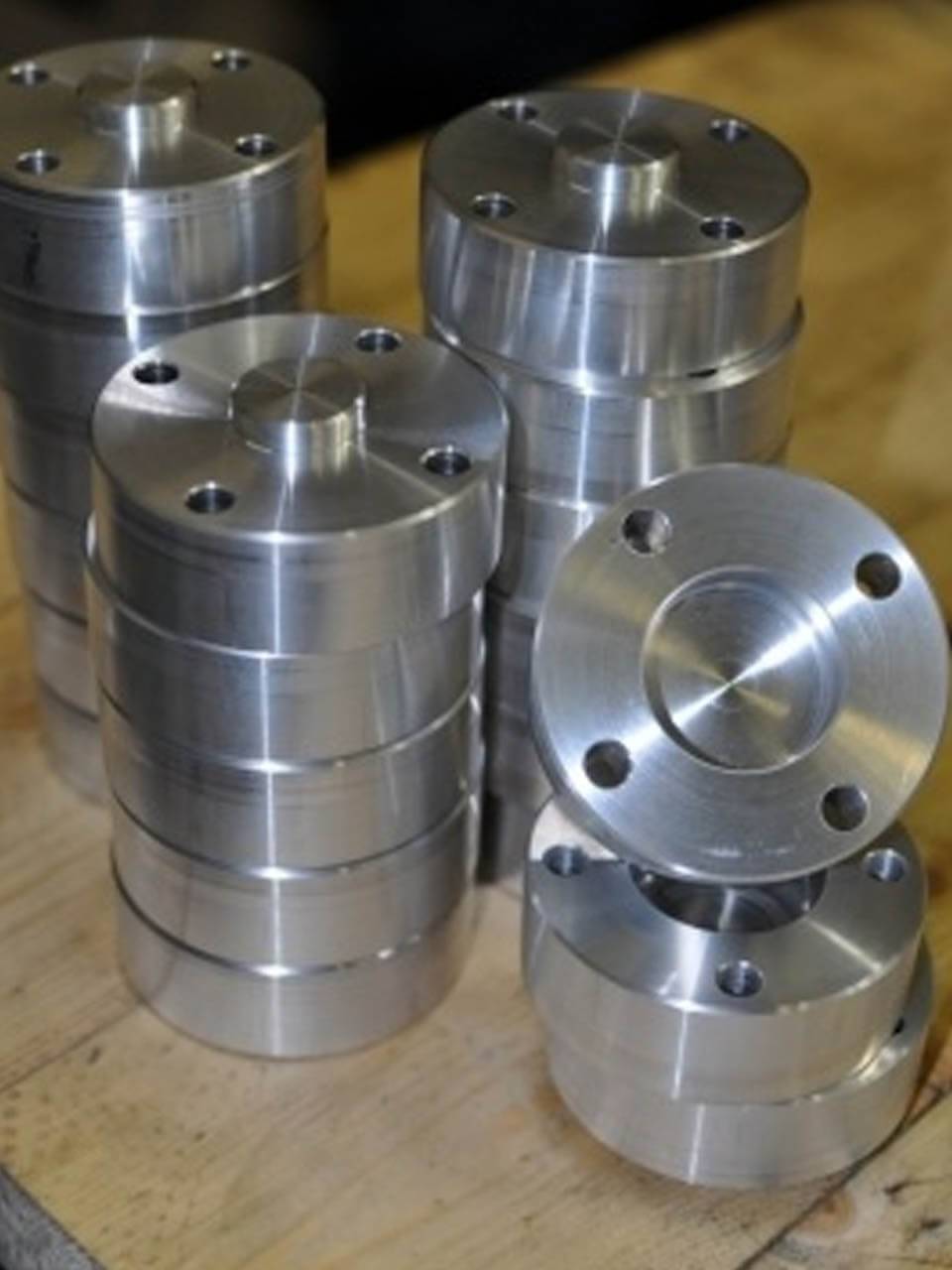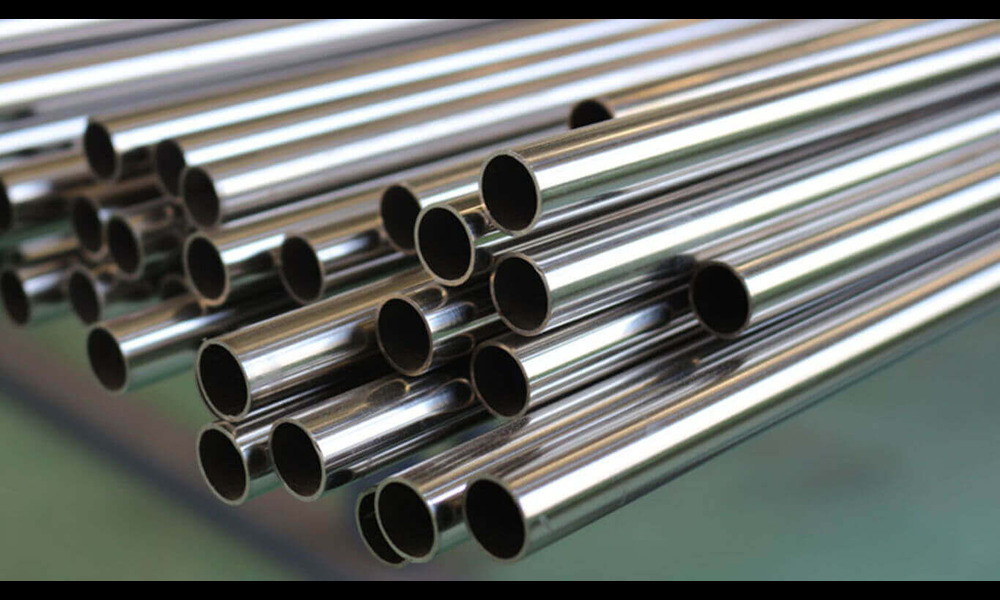
Alloy steel forged fittings are pipe components that are formed by applying high pressure to hot metal. This forging method enables the metal grains to flow in a single direction, increasing strength, and eliminating internal gaps. In casting, molten metal is poured into molds, which may trap flaws. Welded fittings are based on joints that can deteriorate under stress. For oil and gas pipelines, forging is preferred because it delivers higher load capacity and consistent performance. Alloy Steel Forged Fittings are made from steel mixed with elements like chromium, molybdenum and nickel. These elements improve strength, heat resistance, and corrosion control. Forging refines the grain structure, boosting durability and fatigue life. This blog explains how these fittings work, why they outperform other options, and where they are used across upstream, midstream, and downstream oil and gas systems.
Common Types of Alloy Steel Forged Pipe Fittings
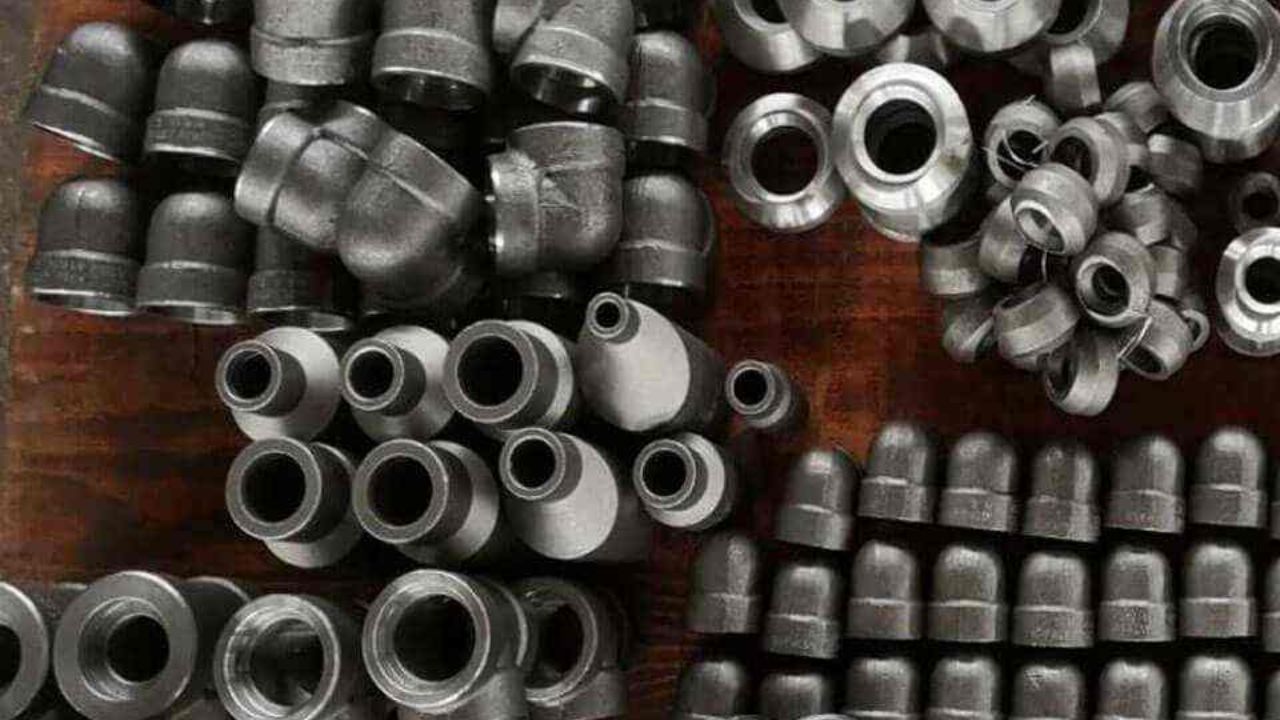
Alloy steel forged pipe fittings are available in various styles, each with a specific purpose. The elbows change flow direction while minimising pressure loss. Tees separate or combine flow within pipeline networks. Couplings connect two pipes of identical size, whereas unions are easily removed for maintenance. Reducers change pipe diameter to control flow rate, and pressure balance. Caps secure pipeline endpoints during testing, or future expansion. To meet the needs of oil and gas projects, these fittings are manufactured in accordance with strict global standards. To ensure safe system integration, dimensions, pressure ratings and tolerances are consistent with international standards.
Why Oil & Gas Pipelines Demand High-Performance Materials
Oil and gas pipelines face nonstop mechanical and chemical stress. Small material flaws can lead to leaks, shutdowns, or safety hazards. Material selection shapes system life, operating safety, and compliance with industry rules.
- High Pressure and High Temperature Conditions
Deep-sea drilling and underground transport often involve pressures exceeding 10,000 PSI and temperatures that can swing from freezing to several hundred degrees. Standard carbon steel is often brittle or loses shape when subjected to such high temperatures and loads. ASME SA182 alloy steel forged fittings are designed to retain structural integrity, and dimensional stability, preventing joints from warping or rupture as internal temperatures rise.
- Exposure to Corrosive and Aggressive Media
Oil and gas streams often contain hydrogen sulfide, carbon dioxide, chlorides, and injected chemicals. These substances attack standard steels quickly. Alloy steel grades counter this through chromium and molybdenum content. These elements slow corrosion and reduce surface breakdown. Over time, this lowers metal loss and limits internal damage across pipeline systems.
Benefits of ASTM A182 Alloy Steel Forged Fittings
ASTM A182 alloy steel forged fittings are often used due to its combination of strength, durability, and demonstrated performance.
- Superior Mechanical Strength and Toughness
Forged alloy steel fittings deliver high tensile strength and strong impact resistance. The refined grain structure handles repeated stress cycles without cracking. This toughness reduces failure risks in vibrating or load-heavy pipelines. Fatigue life improves, even under constant pressure changes.
- Excellent Pressure Handling Capability
High-pressure systems demand fittings that hold shape under load. Forged fittings excel here due to their solid metal structure. The lack of internal cavities eliminates weak areas. This reduces the possibility of leaks, ruptures or joint failures during operation.
- Improved Corrosion and Oxidation Resistance
Chromium, and nickel creates a protective oxide layer on fitting surfaces. These layers resist scaling and oxidation at high temperatures. Corrosion rates slow down, even in sour or wet gas environments. Pipeline reliability improves with fewer internal defects forming over time.
- Longer Service Life and Reduced Maintenance Costs
Durable materials do not need to be changed or inspected as often. A longer service life leads to reduced downtime and lower repair costs. Over time, alloy steel forged fittings ensure consistent output, and predictable maintenance planning. This brings real cost control for operators.
Common Standards for Alloy Steel Forged Fittings
Common standards are used in oil and gas projects to ensure that everything works together and is safe. The grades of materials, tests, and pressure values are all based on specifications from ASTM, ASME, and API. The ASTM A182 and ASME SA182 alloy steel forged fittings are extremely strong, and able to withstand heat and chemicals. To enable global sourcing, regulatory approval, and consistent performance across regions, compliance is required.
Applications of ASME SA182 Alloy Steel Forged Fittings
These fittings serve every stage of oil and gas production. Their strength and reliability suit demanding environments across the industry.
- Upstream Oil and Gas Operations
In drilling rigs and wellheads, pressure and temperature levels remain extreme. Forged fittings handle these loads with minimal risk. They support production tubing, choke lines, and high-pressure flow systems.
- Midstream Transportation and Pipelines
Long-distance pipelines rely on secure joints to prevent leaks. Alloy steel forged fittings manage pressure drops and thermal shifts across miles of terrain. Compressors and pumping stations also depend on their strength.
- Downstream Refining and Processing Facilities
Pipelines at refineries are exposed to heat, chemicals and constant cycling. In such cases, forged fittings do not break or rust. It maintains reactors, heat exchangers and transfer lines to operate smoothly.
How to Choose the Right Alloy Steel Forged Fittings
Choosing the appropriate hardware requires a thorough examination of the pipeline’s specific environment. Engineers must consider the system’s maximum pressure and the chemical composition of the fluid being conveyed. It is essential to identify the grade of the steel, such as F5, F11, or F22, as each provides different amounts of heat and corrosion resistance. Consistently verify the appropriate certification to confirm that the components comply with ASTM A182 Alloy Steel Forged Fittings specifications. Collaborating with a seasoned supplier ensures that the materials align with the mechanical requirements of the project.
Conclusion
Alloy steel forged fittings constitute the base for modern energy infrastructure. Its ability to endure tremendous pressure, resist corrosive substances, and retain strength at elevated temperatures makes it a key option for safety-conscious operators. Investing in high-quality forged components ensures the durability and efficiency of pipes for decades. These fittings are not merely connections; they are high-performance instruments that safeguard both the environment and financial interests. Selecting the right alloy steel is essential for constructing a durable system that endures over time.