In the world of industrial piping, the integrity of a joint is everything. Whether you are moving oil across a desert or steam through a power plant, you need connections that won’t fail under pressure. This is where carbon steel buttweld pipe fittings come into play. These components are the backbone of heavy-duty piping systems, providing the strength and reliability required to keep critical infrastructure running safely.
What Are Carbon Steel Buttweld Pipe Fittings
Carbon steel buttweld pipe fittings are specialized components used to change the direction, branch off, or change the diameter of a pipeline. Unlike threaded fittings that screw together, these are welded directly to the pipe ends. By matching the edge of the fitting to the edge of the pipe—a process known as a “butt weld”—technicians create a permanent, leak-proof bond.
Carbon steel is the material of choice here because it is incredibly tough. It can withstand extreme heat and high-pressure environments without warping or breaking. Because the weld creates a continuous metal structure, the joint is often as strong as the pipe itself. This results in a smooth internal surface that allows for better flow and less turbulence inside the system.
Why Buttweld Fittings Are Used in Industrial Piping
Engineers choose buttweld fittings for long-distance pipelines and critical systems for several practical reasons. First, because they are welded, the risk of leaks is almost zero compared to mechanical joints. This is vital when transporting hazardous or expensive fluids.
Second, these fittings provide a better distribution of stress across the joint. In systems that vibrate or deal with temperature swings, this prevents cracks from forming. They also take up less space than bulky flanged connections, making them easier to insulate. Finally, the smooth transition between the pipe and the fitting reduces “pressure drop,” meaning the pumps don’t have to work as hard to move liquid through the line.
Types of Carbon Steel Buttweld Pipe Fittings
Every pipeline has a unique layout. To navigate obstacles or distribute flow, different shapes are required. Here are the most common types used in the field today.
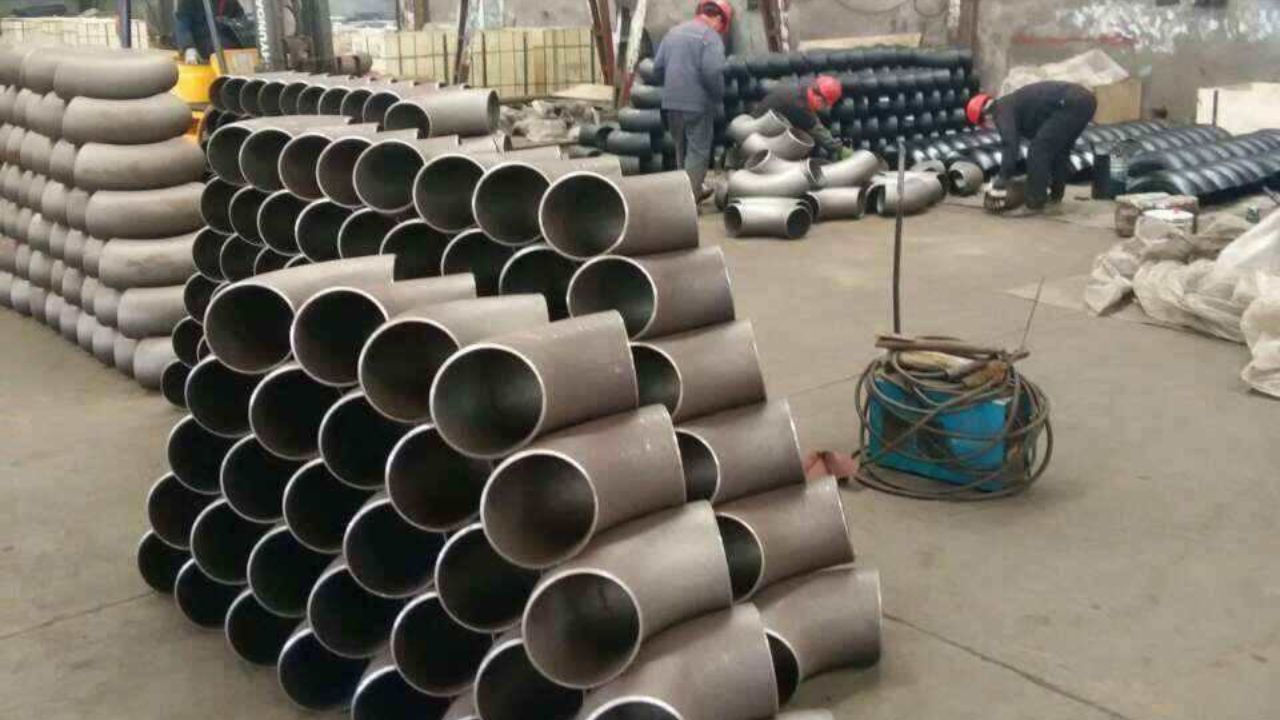
Carbon Steel Buttweld Elbows
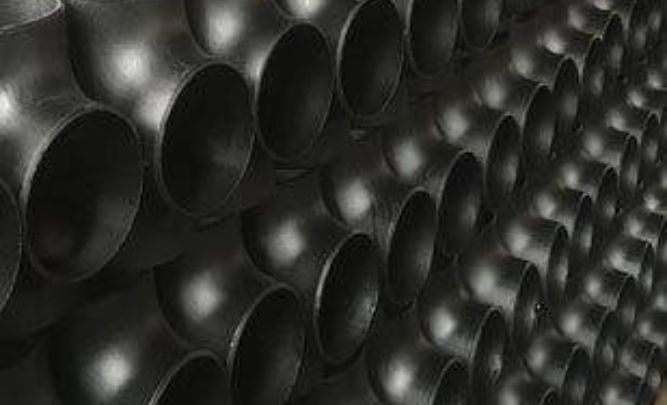
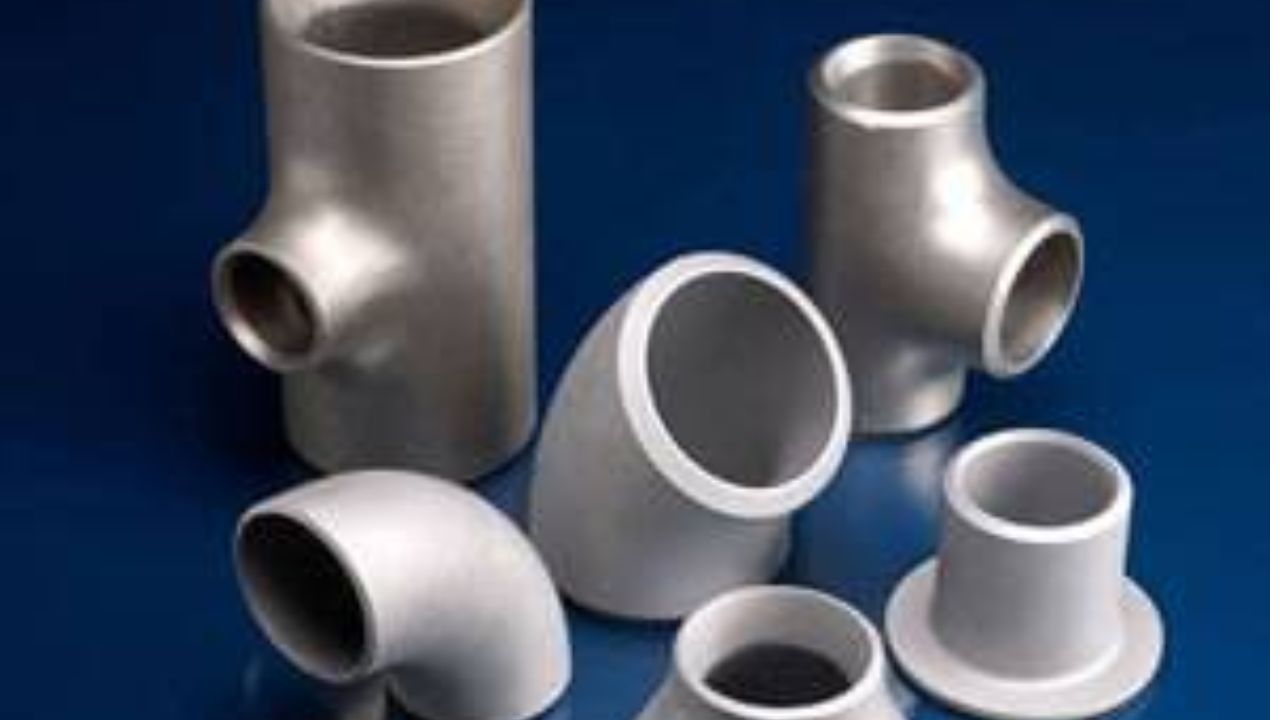
Elbows are used whenever a pipe needs to turn. The most common angles are 90-degree elbows for sharp turns and 45-degree elbows for gradual shifts. These allow the pipeline to follow the layout of a building or the contour of the land. They are designed to maintain a consistent wall thickness, ensuring the turn doesn’t become a weak point in the system.
Carbon Steel Buttweld Tees
A tee is shaped like the letter “T” and allows flow to be split into two separate lines or combined into one. Equal tees have the same diameter on all three openings. Reducing tees have a smaller branch outlet, which is helpful when you need to feed a smaller piece of equipment from a main supply line.
Carbon Steel Buttweld Reducers
Pipelines aren’t always the same size from start to finish. Reducers bridge the gap between a large pipe and a small one.
- Concentric reducers look like a cone and keep the center of both pipes aligned. They are usually used in vertical lines.
- Eccentric reducers have one flat side. These are used in horizontal lines to prevent air bubbles or liquid from getting trapped at the joint.
Carbon Steel Buttweld Caps
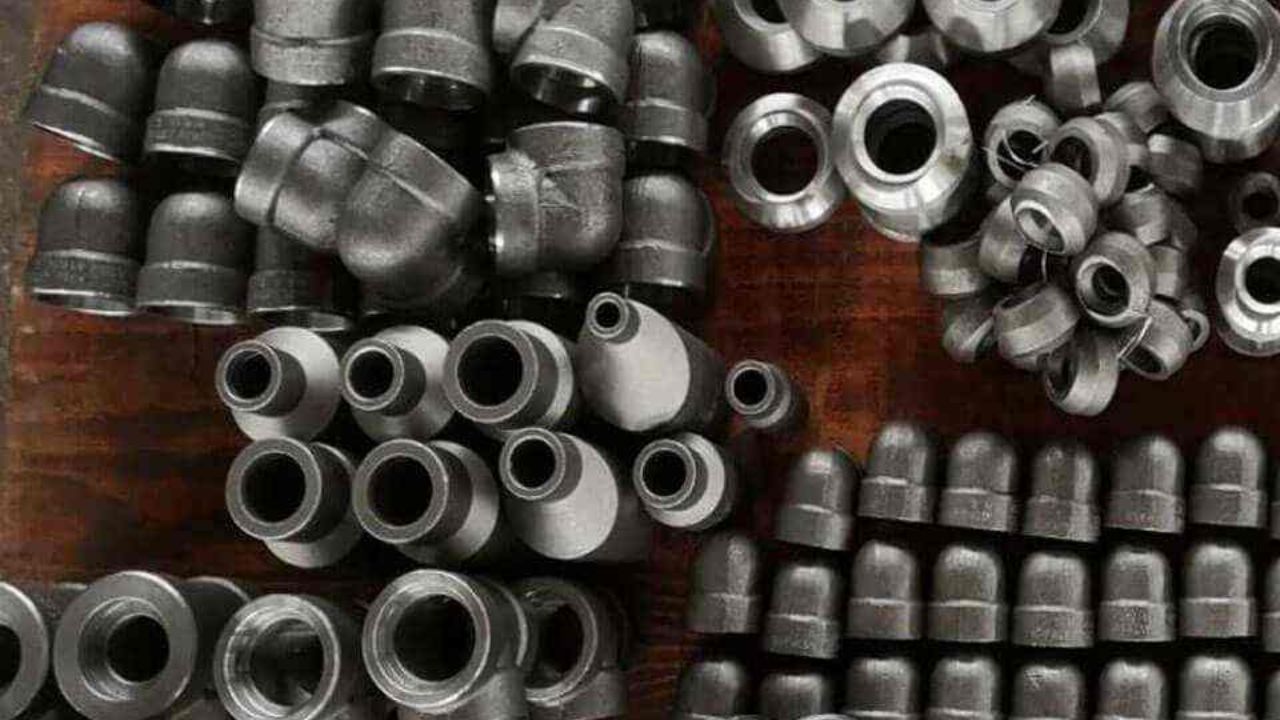
A pipe cap acts as a dead end. It is welded over the end of a pipe to stop the flow completely. Caps are essential for pressure testing a new system or for closing off a line that might be extended in the future. Because they are welded, they can handle the full pressure of the system pushing against them.
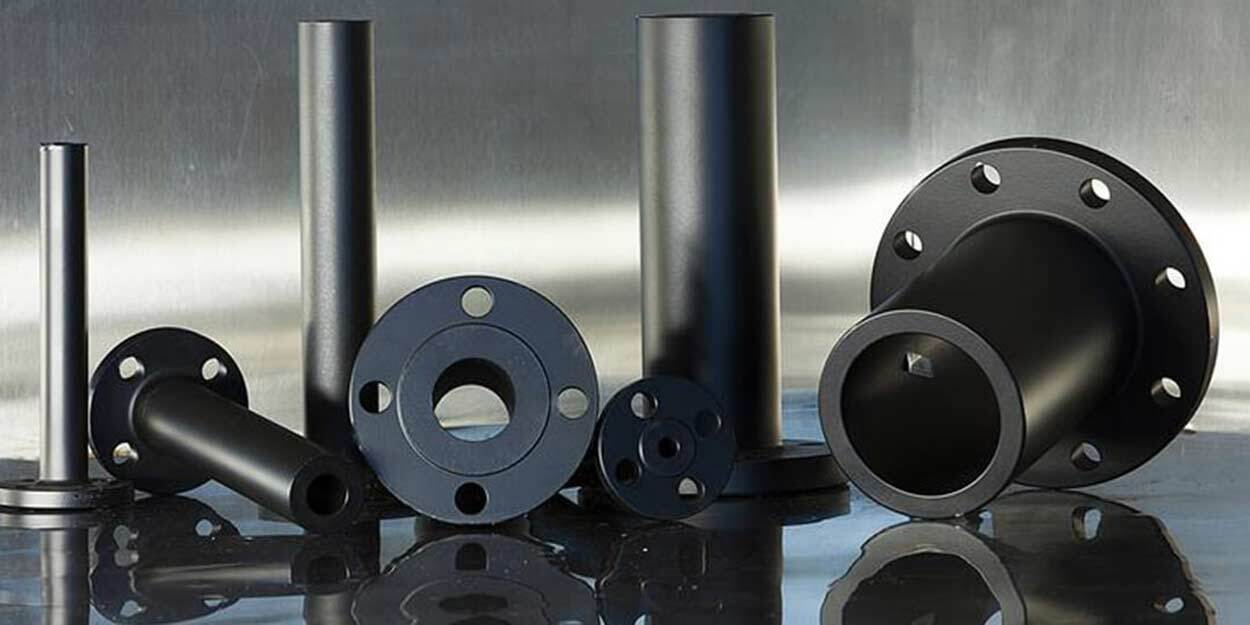
Carbon Steel Buttweld Stub Ends
Stub ends are used in a specific setup called a lap joint. The stub end is welded to the pipe, but a loose flange sits behind it. This allows the flange to rotate freely, making it much easier to line up bolt holes during installation. These are great for sections of pipe that need to be opened frequently for cleaning.
Carbon Steel Buttweld Crosses and Other Special Fittings
A cross has four openings and looks like a plus sign. These are used to branch flow in three directions at once. While useful, they are less common because the four-way split puts a lot of stress on the fitting. Other specialty items include “laterals” for Y-shaped branches and “returns” for 180-degree U-turns.
Applications of Carbon Steel Buttweld Pipe Fittings
These fittings aren’t just for one industry; they are used wherever heavy-duty fluid transport is required.
Oil and Gas Industry
In the oil sector, these fittings are used in every stage. They move crude oil from the ground (upstream), transport it across countries in huge pipelines (midstream), and help turn it into gasoline at refineries (downstream). They are perfect for these jobs because they can handle the high pressure and the rough outdoor conditions.
Power Generation and Energy Sector
Power plants rely on high-pressure steam to turn turbines. Carbon steel fittings are used in boiler systems and steam lines where temperatures can get high enough to melt lesser materials. Their strength ensures that the steam stays contained, protecting both the equipment and the workers.
Petrochemical and Chemical Processing
Chemical plants move a variety of fluids that must be kept under tight control. Buttweld fittings provide the leak-proof security needed to handle process fluids. Since carbon steel is easy to weld, it allows for the complex, “spaghetti-like” piping layouts often seen in chemical refineries.
Water, Wastewater, and Infrastructure Projects
Large-scale water lines use these fittings to move millions of gallons of water to cities. In wastewater treatment plants, they offer the durability needed to last for decades. Because they are cost-effective, they are the standard choice for government-funded infrastructure projects.
Key Benefits of Carbon Steel Buttweld Pipe Fittings
Why stick with carbon steel buttweld options? It comes down to three main points.
High Strength and Structural Integrity
Carbon steel is naturally tough. When you combine this material with a full-penetration weld, you get a piping system that acts as a single, solid unit. This is much stronger than using threads or glue.
Leak-Proof and Smooth Flow Performance
Leaks are dangerous and expensive. A welded joint removes the gaps where leaks usually start. Additionally, the inside of a buttweld fitting matches the pipe diameter perfectly. This creates a smooth path for the liquid, which prevents wear and tear caused by turbulence.
Cost-Effectiveness for Large-Scale Projects
Compared to expensive alloys like stainless steel or titanium, carbon steel is affordable. It provides a high level of performance for a much lower price. For massive projects involving miles of pipe, these savings add up quickly without sacrificing safety.
Standards and Specifications
To make sure everything fits together correctly, these fittings follow strict industry standards. Organizations like ASME and ASTM set the rules for dimensions, wall thickness, and material chemistry. These standards ensure that a 6-inch elbow from one manufacturer will fit perfectly onto a 6-inch pipe from another. Following these rules is mandatory for keeping industrial sites safe and legal.
Choose the Right Carbon Steel Buttweld Pipe Fittings
When picking fittings, look at the “Schedule” (which refers to the wall thickness) and the material grade. Make sure the fitting matches the schedule of your pipe so the internal walls line up. You should also consider the environment; if the pipe will be buried or exposed to salt air, it may need a protective coating to prevent rust.
Conclusion
Carbon steel buttweld pipe fittings are the silent heroes of the industrial world. They provide the strength, leak protection, and flow efficiency required for our most demanding systems. By understanding the different types—from elbows to reducers—and knowing where they fit best, you can build a piping system that is safe, efficient, and built to last.