Petrochemical plants depend on piping systems that can withstand stress and heat for long periods of operation. A single failure can disrupt operations and lead to safety issues, which can increase the costs. To prevent these issues carbon steel fittings are used as the key component for plant design. These fittings connect, direct, and control flow across complex pipe fittings. They support steady operations in high-pressure and high-temperature zones. Their strength and stable performance suit harsh plant conditions. This blog explains why durable piping systems matter in petrochemical facilities. It also covers how carbon steel fittings manage pressure, heat changes, and corrosive media. Key uses across plant sections and major advantages are discussed to support informed material selection.
What Are Carbon Steel Fittings?
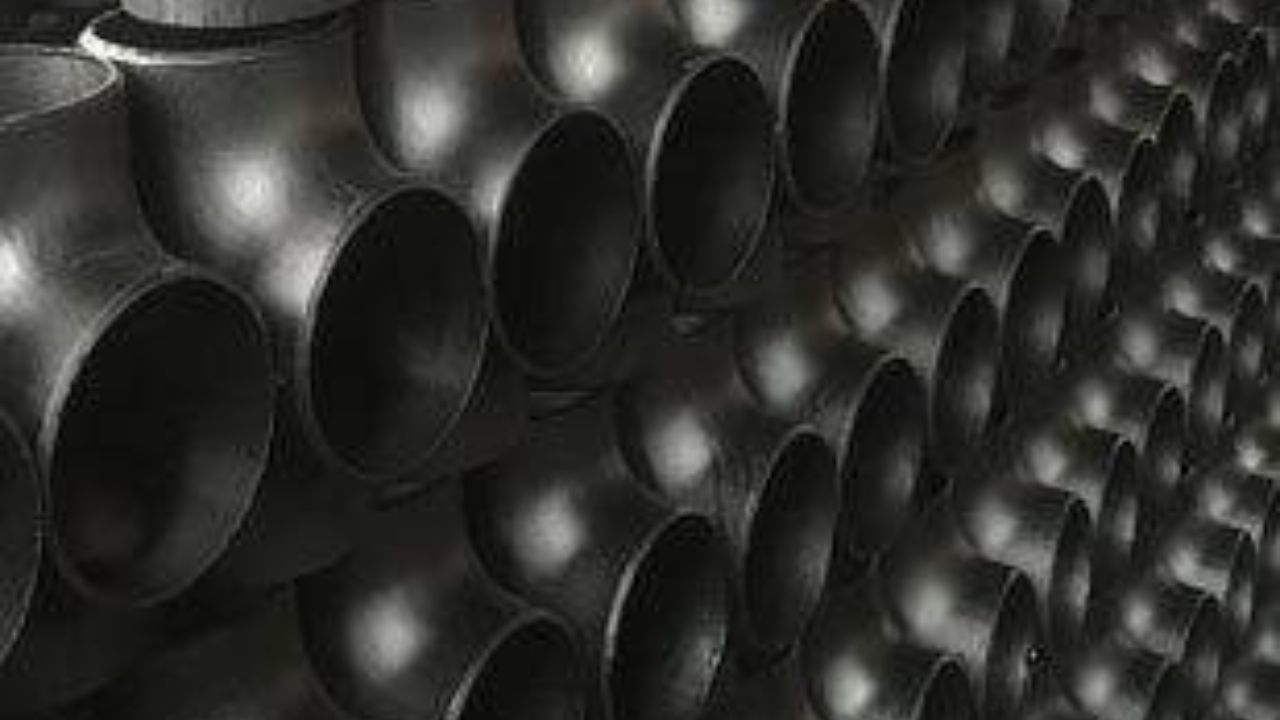
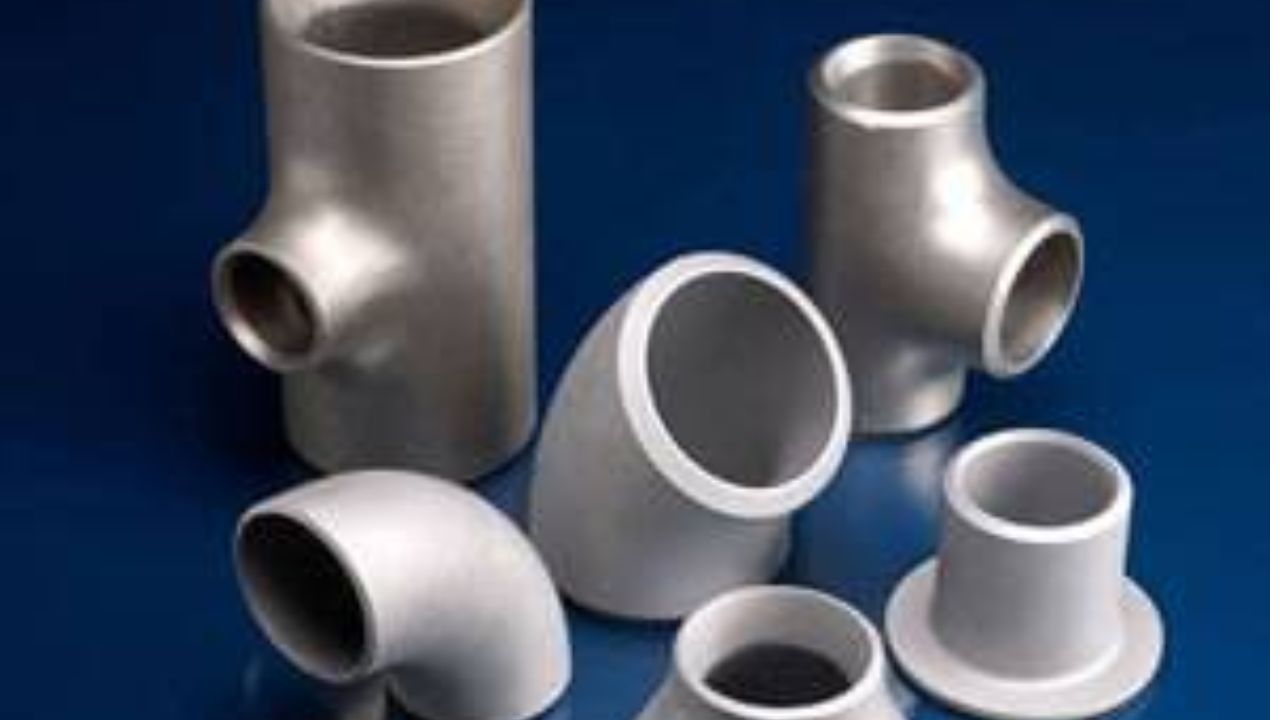
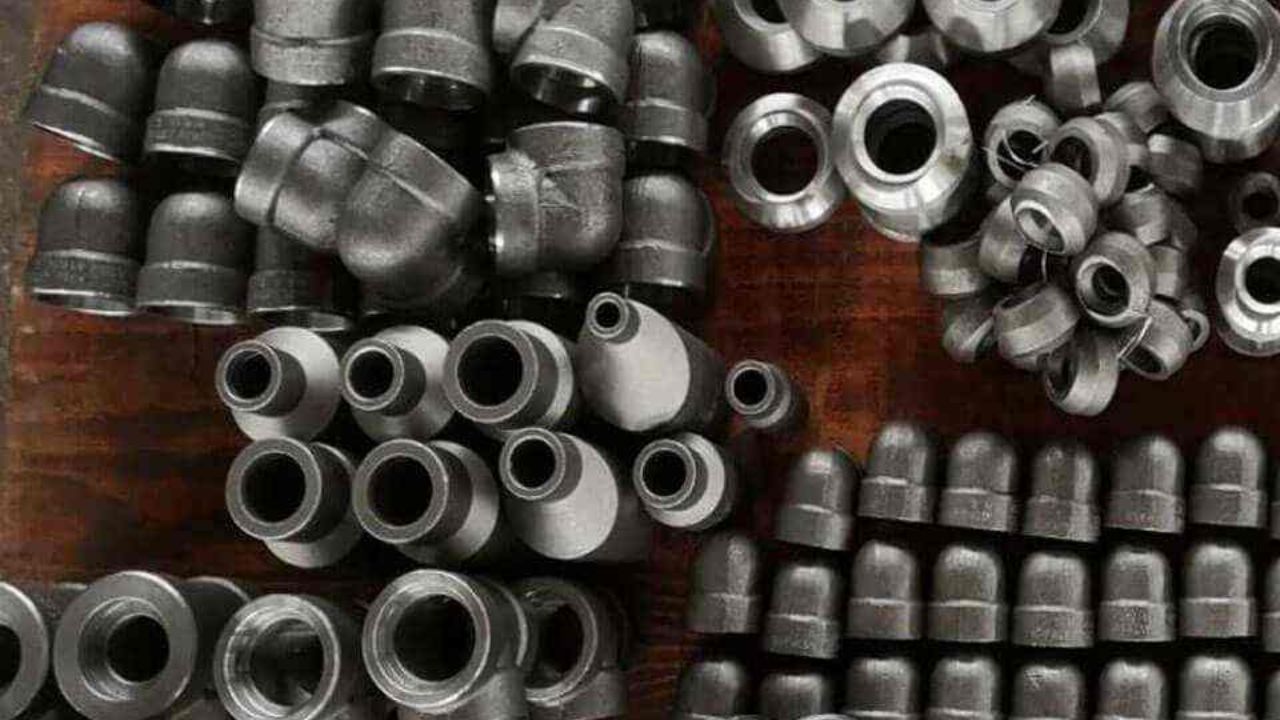
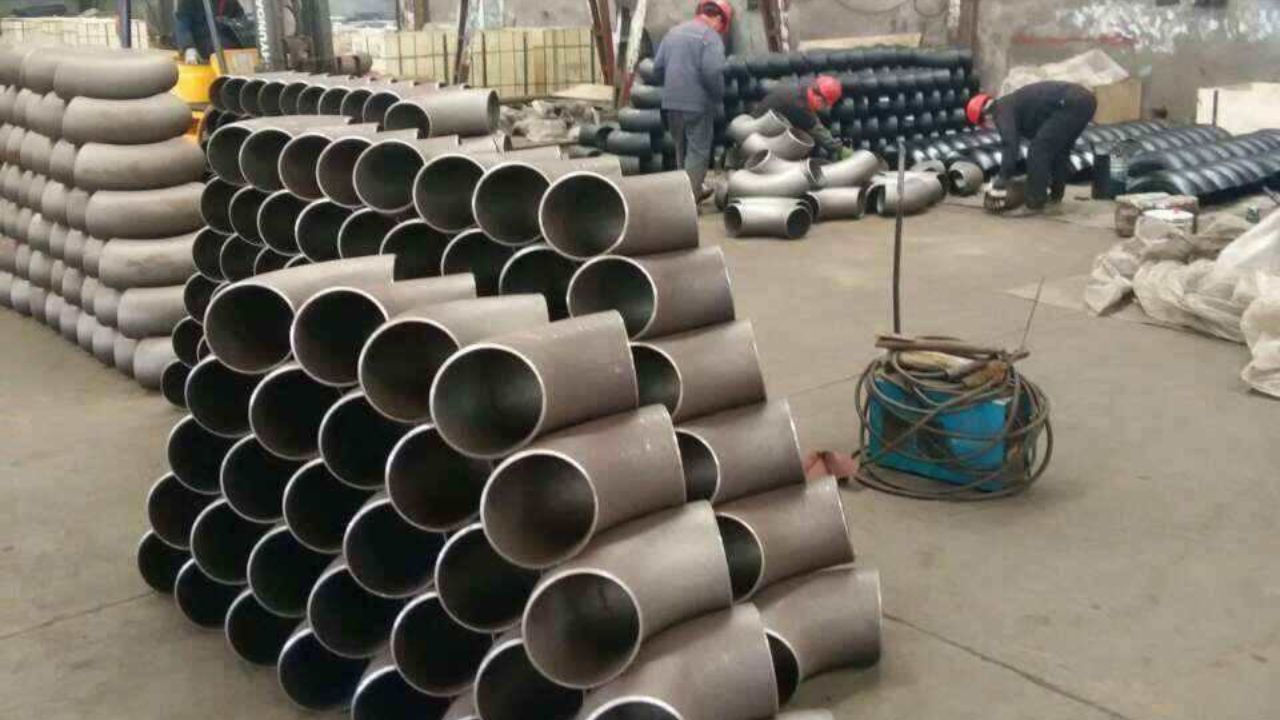
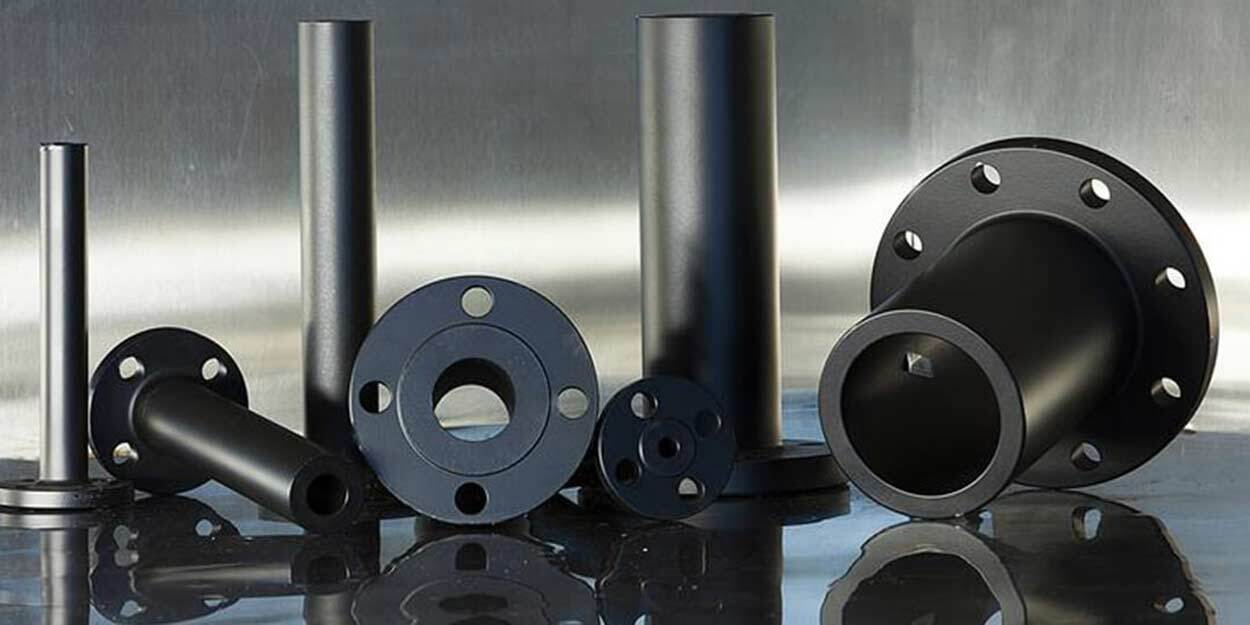
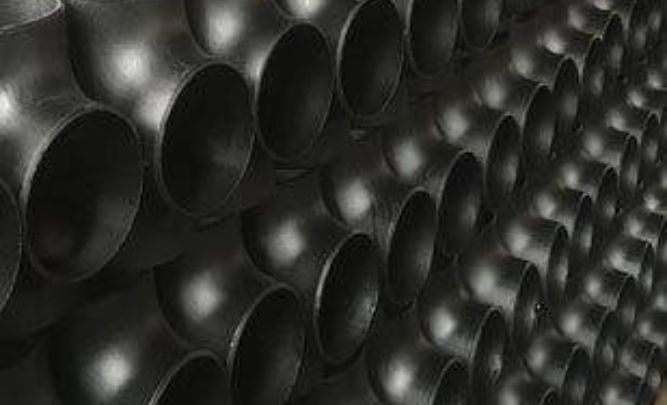
Carbon steel fittings are pipe components composed of steel with a regulated carbon content. They are used to connect pipes, change the flow direction, and adjust pipe size. These fittings are the core of industrial pipe systems. The common types include elbows, tees, reducers, caps, and couplings. Socket weld and butt-weld fittings are often used for strong joints. Standard grades in petrochemical service are ASTM A234 WPB, ASTM A105, and ASTM A350 LF2. These grades provide superior strength and consistent performance. Carbon steel fittings are known for their impact resistance and load-bearing capacity. They cope well with strong internal pressures. Their construction allows for long-term use in harsh plant environments.
Key Uses of Carbon Steel Fittings in Petrochemical Plants
Carbon steel fittings support safe flow control across all major plant systems. Each application demands strength, precision, and stable performance.
- High-Pressure Piping Systems: High-pressure lines move crude oil, feedstock, steam, and process gas. Carbon steel fittings hold shape under heavy internal pressure. They guide flow direction without stress cracks. Stable joints help prevent vibration-related damage. This supports steady plant operation.
- Refining Units & Process Flow Lines: Refining units include FCC units, hydrocrackers, and distillation columns. These systems depend on precise flow control. Carbon steel fittings provide secure branches and transitions. Leak-free joints ensure product quality. They also reduce pressure losses in process lines.
- Heat Exchangers & Boiler Lines: Boiler lines can withstand sudden temperature changes. Carbon steel fittings can withstand constant temperature change. Their structure is resistant to deformation under heat stress. This keeps joints intact after extended runs. Heat exchangers benefit from this consistent performance.
- Storage & Transfer Pipelines: Petroleum products flow between storage tanks and units through long pipelines. Carbon steel fittings ensure a smooth transfer without leakage. They handle different flow rates with ease. This reduces the possibility of leaks during product movement. Safe transportation protects both the plant, and those who work there.
- Corrosive & Abrasive Media Handling: Some lines carry chemicals with abrasive or corrosive traits. Carbon steel fittings work well with internal linings or coatings. These layers protect the base metal. The fittings retain strength while resisting surface damage. This extends service life in harsh lines.
- Safety & Pressure Relief Systems: Relief lines manage sudden pressure release during emergencies. Carbon steel fittings are used in flare and blowdown systems. They maintain joint integrity under surge loads. Reliable performance supports plant safety systems. This reduces risk during upset conditions.
Advantages of Carbon Steel Fittings in Petrochemical Plants
Carbon steel fittings offer a balance of strength, cost and availability. These benefits support long-term plant reliability.
- High Mechanical Strength: Carbon steel fittings can withstand severe pressure and heavy loads. They are resistant to deformation under stress. This makes them appropriate for primary process lines. Strong joints reduce the risk of unexpected failure.
- Excellent temperature resistance: These fittings work effectively in high-heat environments. They can even handle low-temperature service when correctly graded. Thermal stability ensures joint integrity. This is crucial under fluctuating conditions.
- Cost-Effective Alternative: Carbon steel fittings cost less than stainless or alloy steel options. They still deliver solid performance. This helps manage project budgets. Lower cost supports large-scale plant installations.
- Easy to Fabricate and Weld: Carbon steel is easy to cut, shape and weld. This improves the installation process. Repairs and system updates are easy to handle. Reduced downtime ensures consistent plant output.
- Long Service Life: Fittings can last for years when coated properly and inspected regularly. They can withstand wear with steady flow. Durability cuts down on replacement cycles. This increases overall system availability.
- Globally Standardised & Easily Available: Carbon steel fittings follow global standards. Sizes, and grades are widely stocked. Quick access supports fast replacement. Consistent quality supports plant planning and maintenance.
How to Choose the Right Carbon Steel Fittings
Selecting the correct fittings starts with service conditions. Working pressure and operating temperature must be checked first. The chemical composition of the process fluid also matters. Compatibility reduces corrosion risk. Standards such as ASME B16.9, B16.11, and B16.5 guide dimensions and ratings. Material standards like ASTM A234 and ASTM A105 define quality. Each fitting should pass the required tests. These include hydro tests, NDT checks, PMI, and hardness tests, as these reports confirm material integrity. Supplier selection is quite important. A certified carbon steel fittings supplier ensures constant grade control, and traceability, which helps with the selection of reliable fittings for plant safety and long-lasting performance.
Conclusion
Carbon steel fittings are an essential component in petrochemical piping systems. Their strength can withstand high pressures and demanding service conditions. Stable performance helps control heat, flow, and load stress. Cost control gives additional value to large systems. Proper material selection improves plant safety and reduces downtime. Reliable fittings extend system life, and maintain smooth operations. Choosing the right grade and supplier makes a clear difference. Looking for a Carbon Steel Fittings supplier? Simplex Industries delivers high-quality, reliable products, contact us today!