
Alloy steel pipe fittings are most important in various industrial uses, providing strength, durability, and resistance to harsh conditions. Alloy steel pipe fittings find use in connecting controlling and supporting piping systems and thus become the essential parts in companies like oil and gas, power plants, chemical processing, etc. This blog offers detailed information regarding alloy steel pipe fittings ranging from their types and applications to installation and maintenance.
What is Alloy Steel Pipe Fittings?
Alloy steel pipe fittings are used to join pipes in a piping system and are produced from alloy steel which is a blend of carbon steel and other alloying materials like chromium, molybdenum, nickel and vanadium. These elements enhance the mechanical properties of the steel offering greater strength, corrosion resistance and heat resistance over regular carbon steel fittings. Alloy steel fittings find extensive applications in high-performance applications under severe conditions including high pressure and high temperature.
Types of Alloy Steel Pipe Fittings
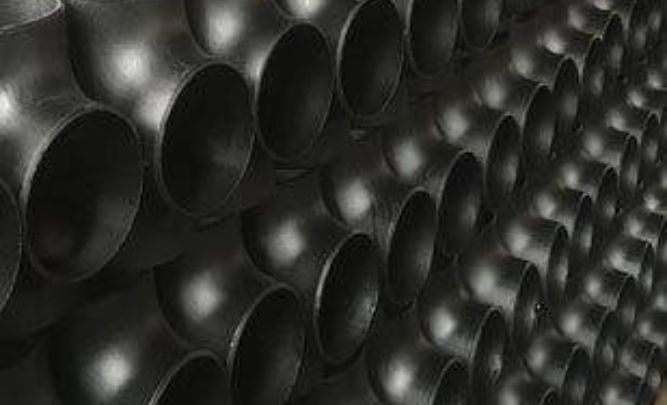
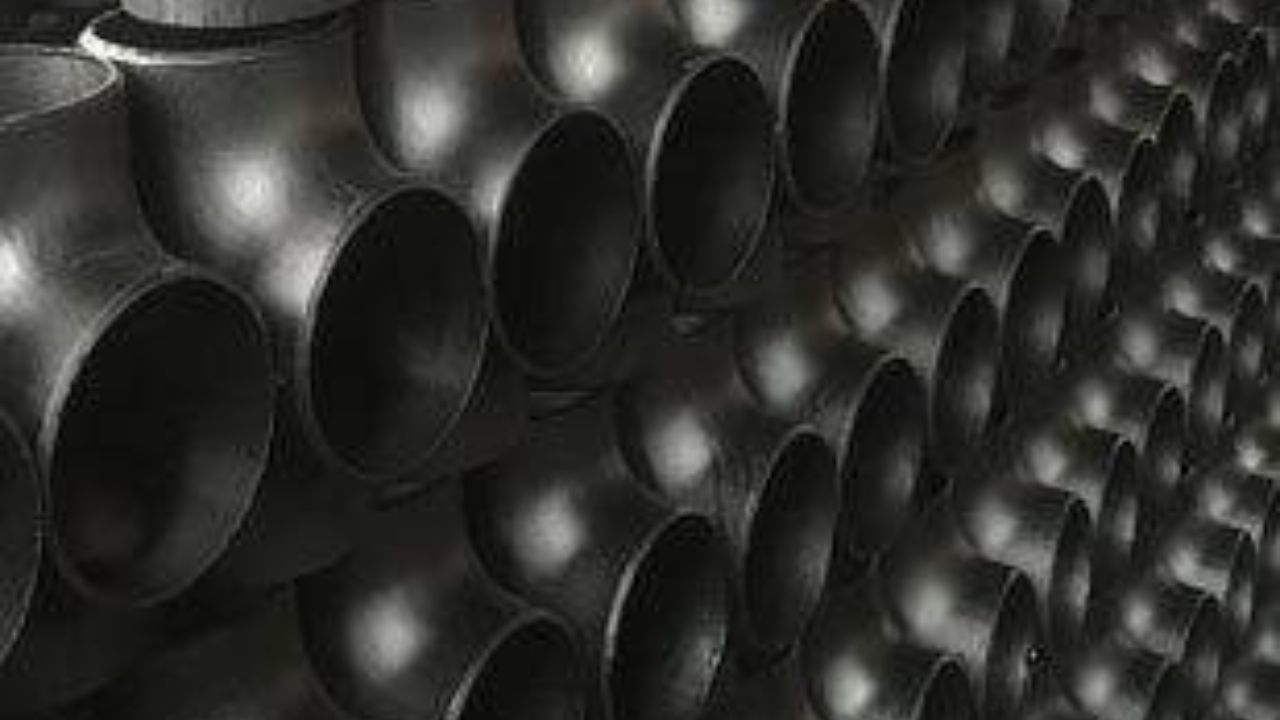
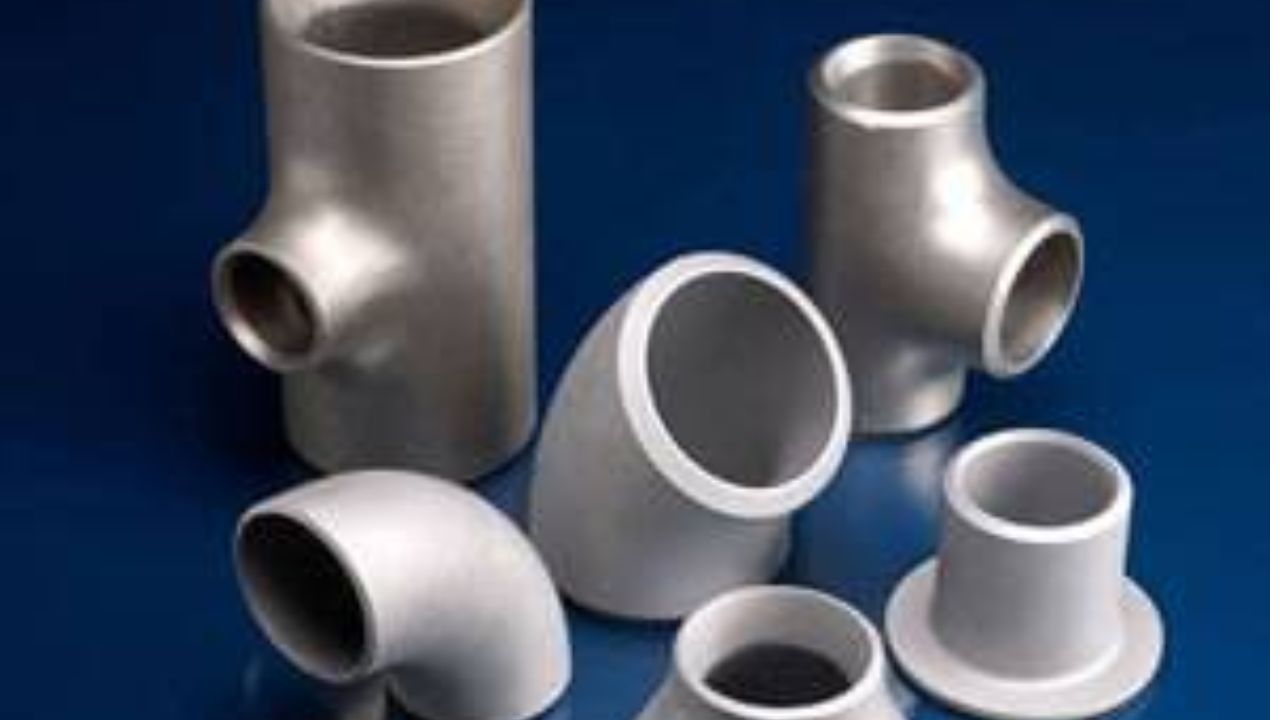
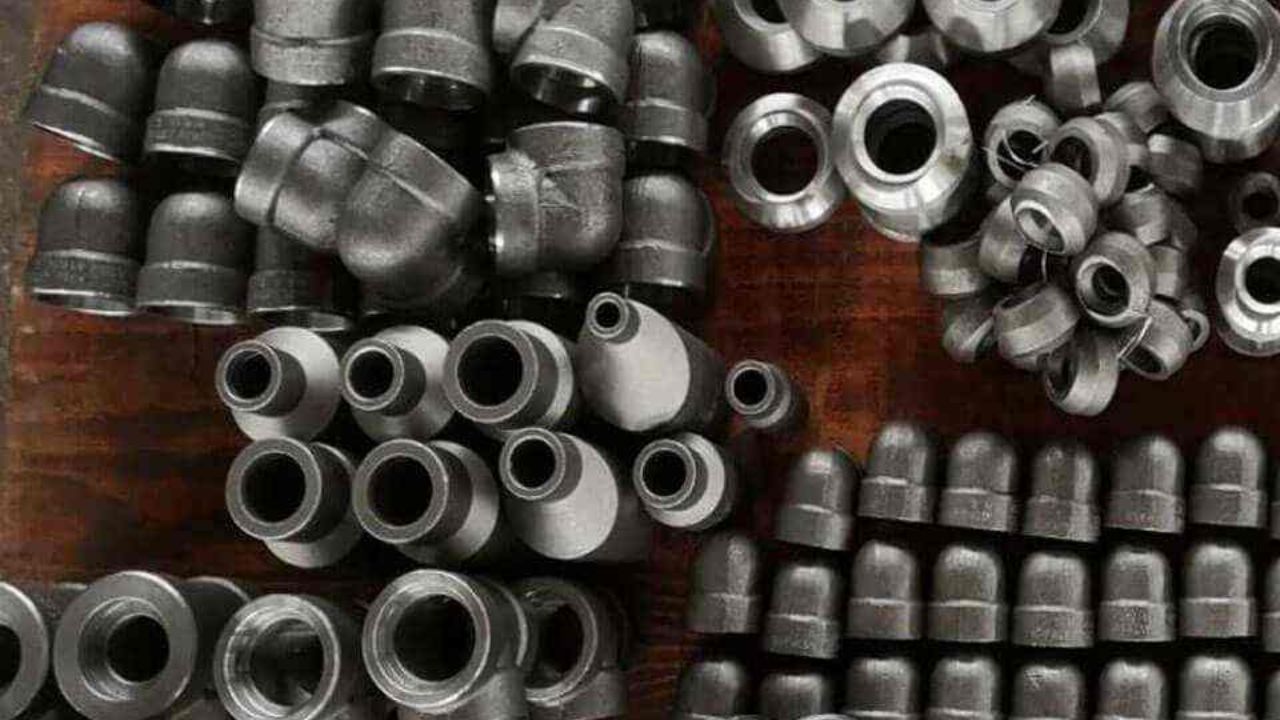
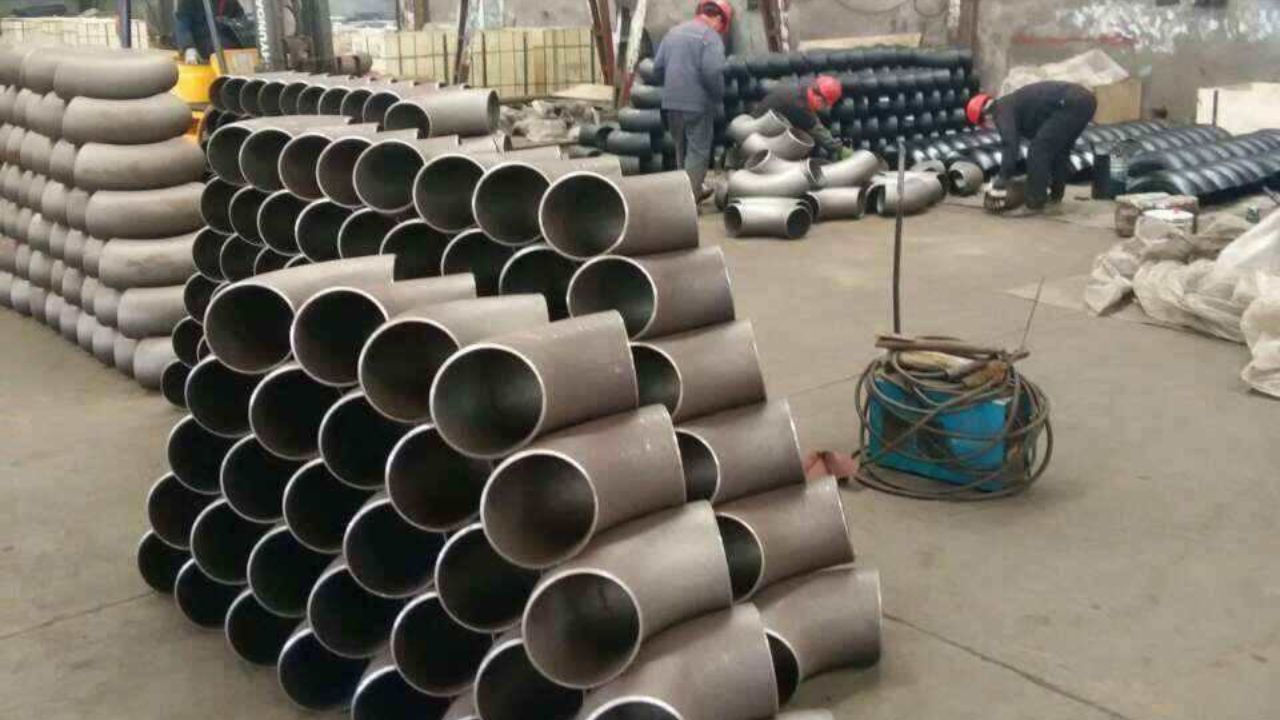
- Elbows: Elbows are used to change the direction of the flow in a piping system. It comes in various angles including 45 degrees and 90 degree and can be seamless or welded depending on the use. These fittings ensure smooth fluid movement, reducing turbulence and pressure loss.
- Tees: Tees enable liquid to flow in varying directions through linking three pipes. They are equal and reducing with the latter possessing three same sized outlets whereas the former possesses a single smaller outlet. Tees are widely used in pipeline systems requiring branch connections.
- Reducers: Reducers are used to join pipes of varying diameters providing a smooth transition between different pipe sizes. It is available in two forms concentric reducers which are symmetrical in design and eccentric reducers, which are offset in design to avoid air pockets in horizontal flow applications.
- Couplings: Couplings join two pipes together and provide a leak-proof and tight joint. They exist in full and half forms with two identical pipes being joined by full couplings and branch connections made by half couplings. Couplings are required for simple repairs and extensions in pipe systems.
- Caps: Caps are used to seal the ends of pipes to ensure there is no leakage and safeguard the system from contaminants. It can be found in pressure vessels, pipelines and plumbing systems offering a secure and safe seal for temporary pipe ends.
- Crosses: Cross fittings join four pipes at a single connection, making multidirectional flow possible. Cross fittings are mainly found in high-pressure systems where symmetric fluid distribution is necessary. Cross fittings are less utilized because of their complexity and higher stress concentration at the joint.
- Stub Ends: Stub ends are utilized in lap joint flanges for ease of disassembly and replacement. They allow the flange to rotate, minimize stress and facilitate alignment. Stub ends are especially useful in systems where maintenance or inspection is important.
Applications of Alloy Steel Pipe Fittings
- Oil & Gas Sector: Alloy steel pipe fitting is widely applied in oil and gas pipelines for carrying crude oil, natural gas and petrochemicals.The high tensile strength and corrosion resistance are suitable to withstand high pressure and temperature in offshore and onshore drilling processes.
- Power Plants: Alloy steel pipe fittings are used in power plants and steam and water piping systems. They are resistant to high temperatures and pressures and can be used in boiler systems, turbines and heat exchangers to ensure energy generation.
- Chemical Processing: Chemical processing plants utilize alloy steel fittings to move hostile chemicals securely. Their high corrosion resistance keeps them from degrading with acidic, alkaline, and oxidizing agents giving processing plants a long life as well as safety.
- Automotive Sector: The automotive industry uses alloy steel pipe fittings in fuel and exhaust systems. Due to their heat resistance, high strength and durability they are well-suited for usage in applications involving high-performance engines and emission control systems.
- Aerospace Industry: Alloy steel fittings find applications in aerospace hydraulic and fuel systems, where they are exposed to high strength, low weight properties, and withstanding extreme temperatures. It helps in providing structural integrity and efficiency to aircraft and spacecraft.
- Construction & Infrastructure: Alloy steel pipe fittings are used in plumbing, HVAC, and structural uses in construction and infrastructure applications. Their strength and resistance to external environmental conditions provide long-lasting and consistent performance in buildings, bridges, and industrial plants.
Grades of Alloy Steel Pipe Fittings
Alloy steel pipe fittings can be found in different grades that are formulated to fulfill certain mechanical and chemical needs. Some of the most utilized grades are ASTM A234 WP1, WP5, WP9, WP11, WP22 and WP91 are used in high-temperature and high-pressure conditions such as in power plants and refineries. Other popular seamless alloy steel pipes and fittings are ASTM A335 P1, P5, P9, P11, P22, and P91. ASTM A182 F5, F9, F11, F22 and F91 grades are generally applied in flanges and forged fittings where corrosion resistance is paramount and high strength is required. The Chromium-Molybdenum (Cr-Mo) alloy steel grade has superior high-temperature resistance and is used in refineries and energy applications.
Maintenance of Alloy Steel Pipe Fittings
Proper care of alloy steel pipe fittings is necessary to maintain longevity and performance. Routine inspections must be done to identify wear, corrosion or damage. Cleaning and applying protective coatings prevent corrosion and increase the lifespan of the fittings. Handling properly during transportation and installation avoids mechanical damage. Pressure and temperature monitoring ensure the fittings run within specific limits avoiding premature failure. Threads and joints are lubricated to reduce friction and galling or seizing, which causes smooth movement in threaded connections.
Installation of Alloy Steel Pipe Fittings
The fitting of alloy steel pipe fittings demands accuracy and compliance with industry standards to ensure efficiency and safety. The first step is a material inspection to confirm that the fittings are in line with the desired specifications. The pipes should be prepared by cutting, cleaning and beveling them correctly before installation. Correct pipe and fitting alignment is essential to avoid leaks and piping system stress. Utilizing the correct fasteners and sealing technology like welding processes and gaskets guarantees a proper seal. The pressure testing and leak checking need to be done after installation to ensure the system is in place and working correctly.
Conclusion
Alloy steel pipe fittings are critical elements in diverse industries providing superior strength, longevity and resistance to extreme conditions. Familiarity with the various types, applications, grades, maintenance and installation techniques guarantees efficient performance and lifespan of piping systems. Selecting the appropriate alloy steel fittings and following correct installation and maintenance techniques allows industries to maximize the efficiency and reliability of their operations. In oil and gas, power plants, chemical processing, or construction, alloy steel pipe fittings are crucial in assuring efficient and safe fluid transportation.