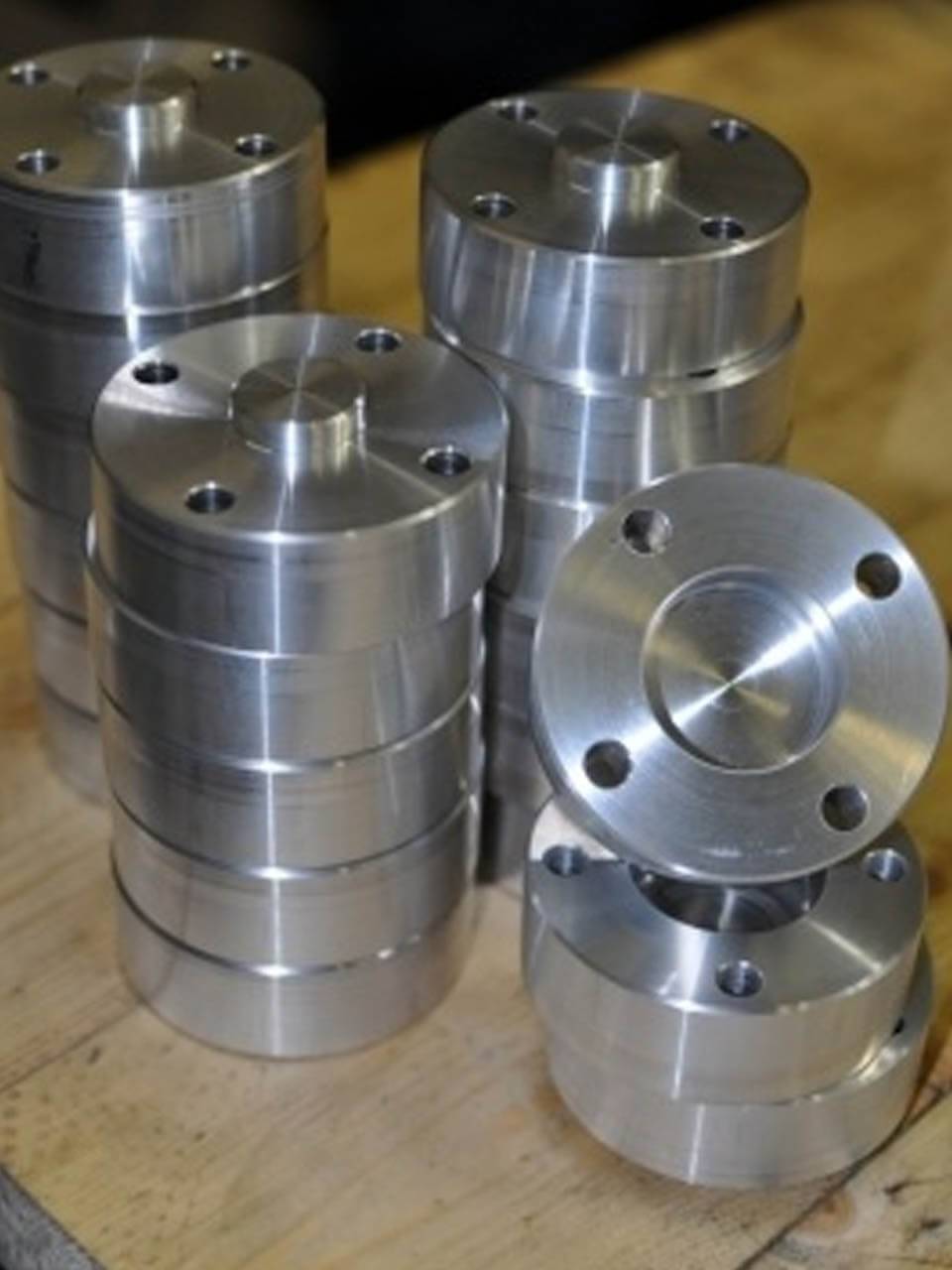

Are you when it comes to choosing the right flanges for your industrial project? Are you debating between stainless and carbon steel flanges but need to know which is best suited for your needs? If so, then this blog post is just what you need! Here, we’ll dive into stainless and carbon steel flange designs while exploring their differences. From sturdiness to cost efficiency – we’ll cover these topics and more! So if you’re looking for a full breakdown of these two flanges to educate yourself on the decision-making process ahead, keep reading to learn more about stainless steel vs carbon steel flanges.
What are Stainless Steel Flanges?
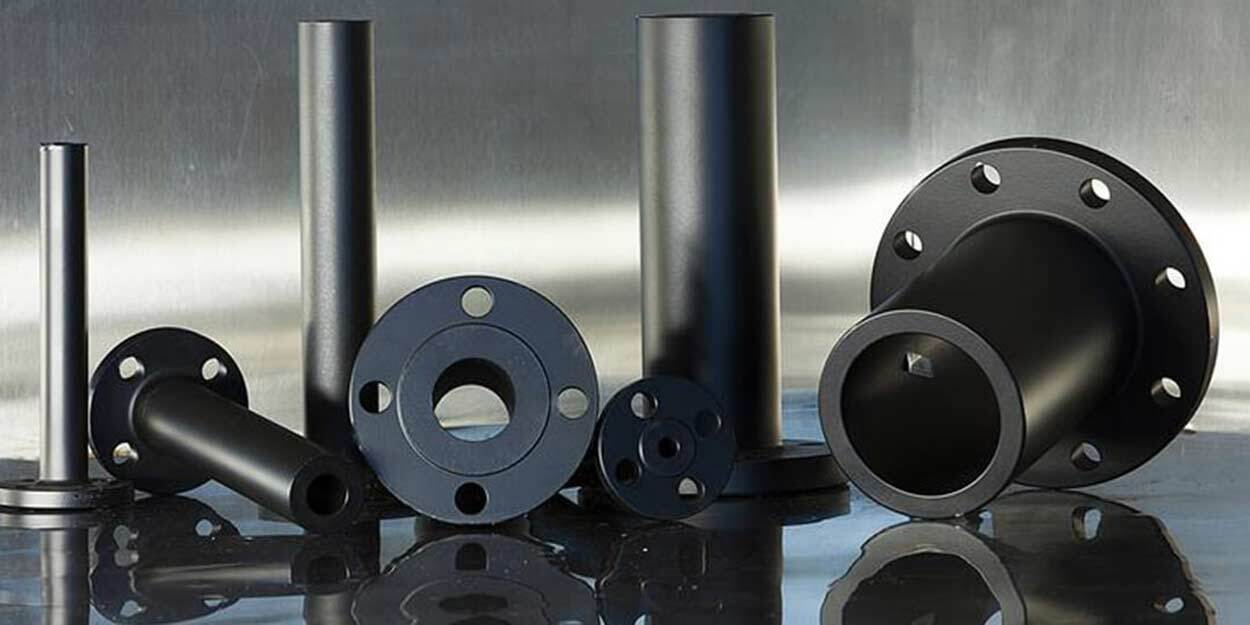
Manufacturers typically use stainless steel to create durable and corrosion-resistant flanges, which are disc-shaped components used to connect sections of piping or other equipment in a wide variety of industrial processes. Flanges can be found in power generation, oil & gas refining and chemical processing plants. They typically come welded onto the pipe or valve to create a strong seal which prevents leakage and contamination. Additionally, they are often used where two different materials need to be connected, such as joining plastic with metal pipes, where one material’s flexibility is combined with another’s strength. Moreover, Stainless Steel Flanges can also be used for water treatment facilities due to their superior performance against pressure buildup and heat transfer.
What are Carbon Steel Flanges?
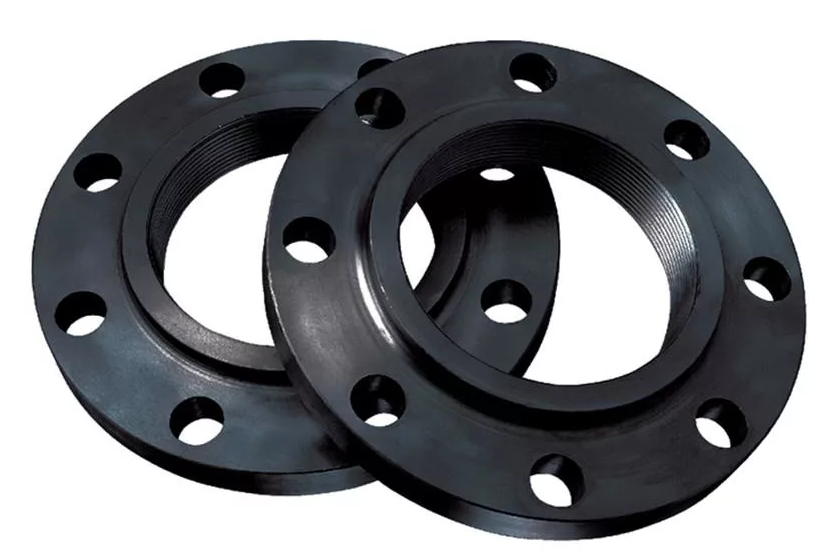
Carbon steel flanges are used in assembling certain types of pipe systems. This flange type is made up mainly of carbon components, such as iron and manganese, mixed with other elements like silicon, phosphorous or sulfur. These parts are usually designed to fit over the ends of pipes and allow them to be connected without requiring welding. Carbon steel flanges can also be used for connectivity between different pipes, valves, pumps or turbines; they provide a secure connection that ideally won’t need replacing for years to come!
Difference Between Stainless Steel Flanges vs. carbon Steel Flanges
Corrosion Resistance
One of the key differences between stainless steel flanges and carbon steel flanges is their resistance to corrosion. Stainless steel is known for its excellent corrosion resistance, making it ideal for use in harsh environments where exposure to moisture, acids, and other contaminants is common. On the other hand, carbon steel is more prone to corrosion, especially in environments with high levels of moisture or acidity.
Cost
Their cost is another factor to consider when choosing between stainless and carbon steel flanges. Stainless steel is generally more expensive than carbon steel due to the higher cost of the materials and the more complicated manufacturing process. However, the additional cost may be worth it if you need stainless steel’s added durability and corrosion resistance in your application.
Strength and Durability
Styl steel and carbon steel are strong and durable materials but have different characteristics. Stainless steel exhibits high strength and excellent resistance to wear and tear, making it an ideal choice for heavy-duty applications. Carbon steel is less strong than stainless steel, but it’s still durable and can hold up well under normal operating conditions.
Temperature Resistance
Another difference between stainless steel flanges and carbon steel flanges is their temperature resistance. Stainless steel can withstand higher temperatures than carbon steel, making it suitable for applications where high heat is a concern. Carbon steel is still an excellent choice for applications where temperature is not a significant factor.
Maintenance
Finally, it’s essential to consider the maintenance requirements of your flanges. Stainless steel is generally easier to maintain than carbon steel because it’s less prone to corrosion and wear. Regular cleaning and preventative measures like painting or coating can maintain carbon steel and prevent corrosion from occurring.
Conclusion:
Choosing between stainless steel flanges and carbon steel flanges requires understanding their key differences. While both materials have different characteristics, they have unique strengths and drawbacks. Ultimately, the decision will depend on your specific application and needs. If you’re looking for high strength, resistance to corrosion and wear, and the ability to withstand high temperatures, stainless steel may be the right choice for you. If you’re working on a budget or don’t need the added durability of stainless steel, carbon steel may be a more cost-effective option. Whatever you decide, work with a trusted supplier to help you choose the right flanges.