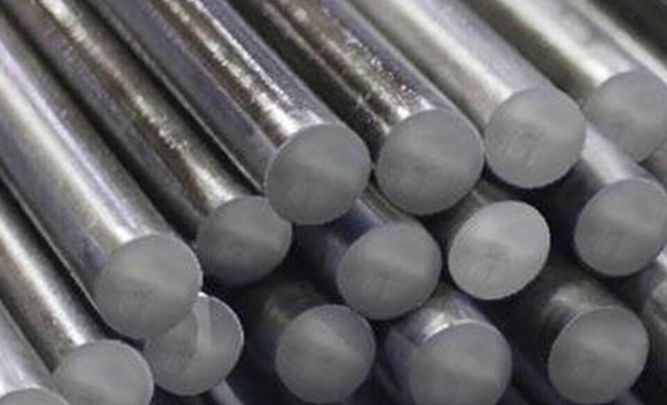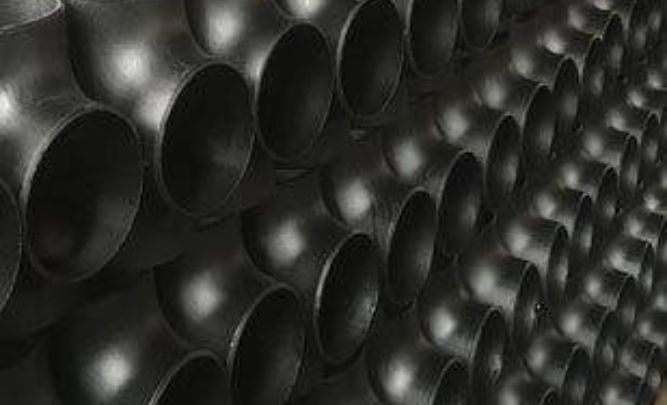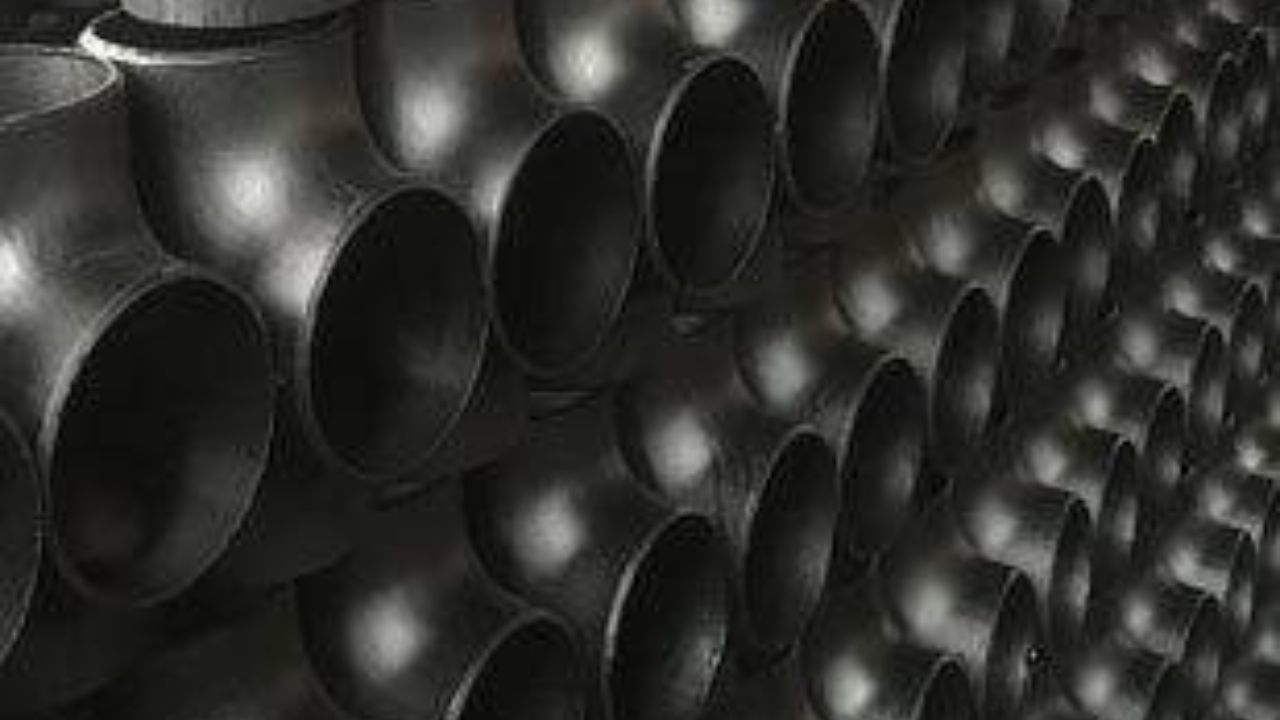

Alloy steel is one of the materials that is used broadly in different industries. It has a structure that is strong, almost immune to corrosion and is thermally stable at high temperatures. Alloy steel has become the most-commonly used material in many instances of pipes. The Carbon Steel Buttweld Fittings are the main characters in the story of alloy steel. The changing of the direction or the diameter of the pipe is their work. The can also join the different parts of a system where fluid flows.
Why Alloy Steel Is Preferred for Buttweld Fittings?
Alloy steel is favored for buttweld fittings due to its chemical composition. It often contains chromium (Cr) and molybdenum (Mo). These elements boost the material’s strength and resistance to heat. The fittings can handle very high temperatures and high pressures without failing. This makes them reliable for demanding systems. They also have excellent fatigue strength and resistance to wear. This ensures long life and fewer replacements in critical systems.
Why Choose Alloy Steel for Buttweld Pipe Fittings?
Alloy steel is chosen because of its material advantages. It offers great durability and high tensile strength. The material resists wear and corrosion very well. It can safely handle harsh chemicals. Alloy steel Buttweld Pipe Fittings are highly suitable for environments with high temperatures and high pressures. Their robust nature guarantees safety. This makes them vital in industries such as oil and gas, petrochemicals, refineries, power plants, and chemical processing. Their strength guarantees a safe and efficient flow of material.
Different Types of Alloy Steel Buttweld Fittings
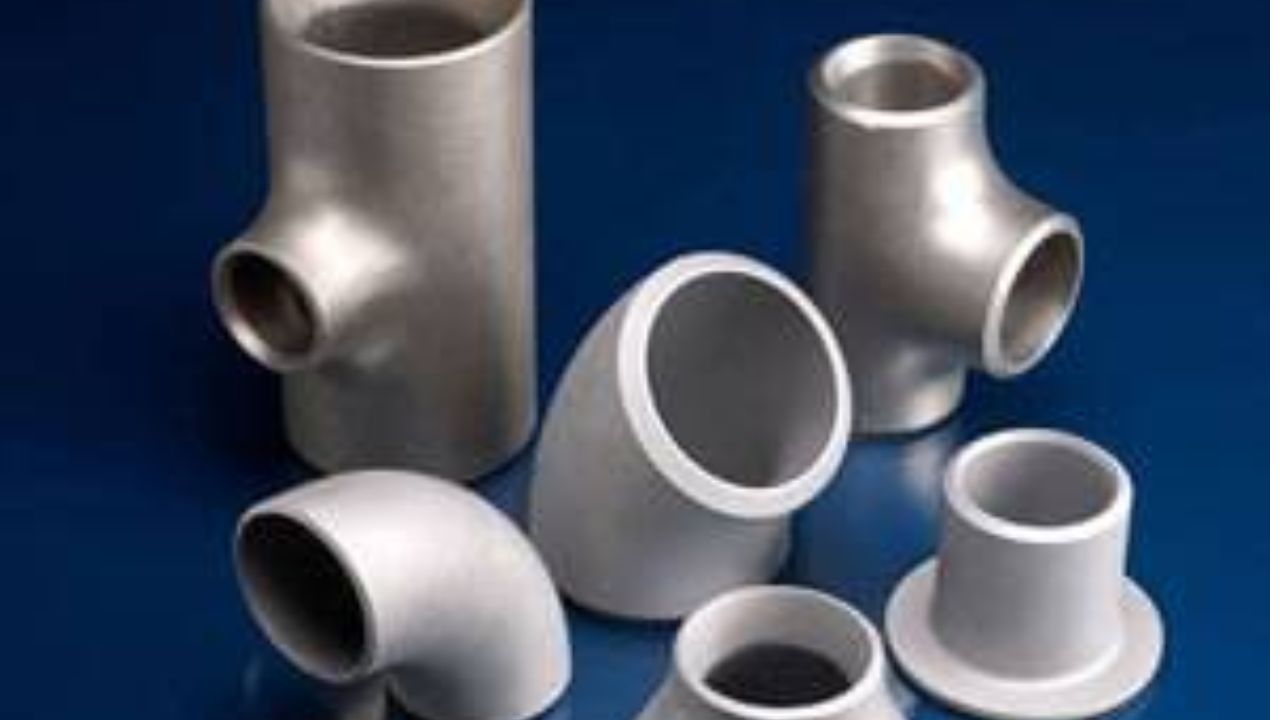
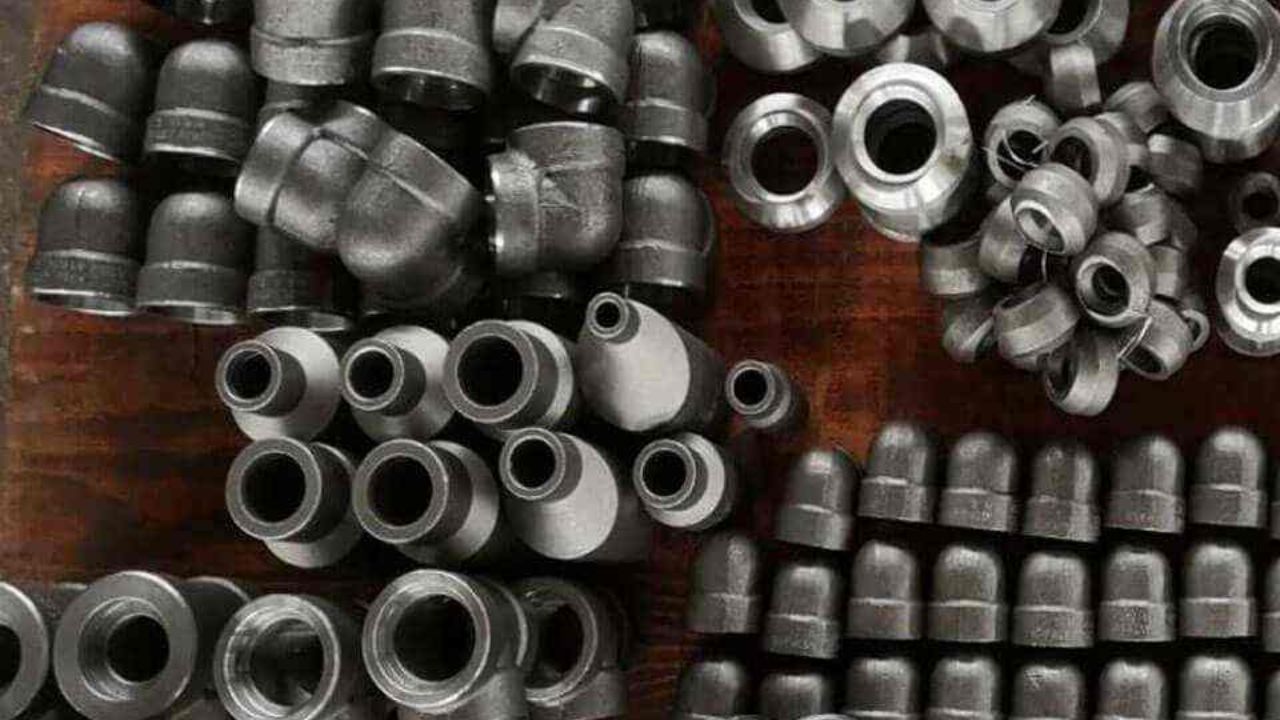
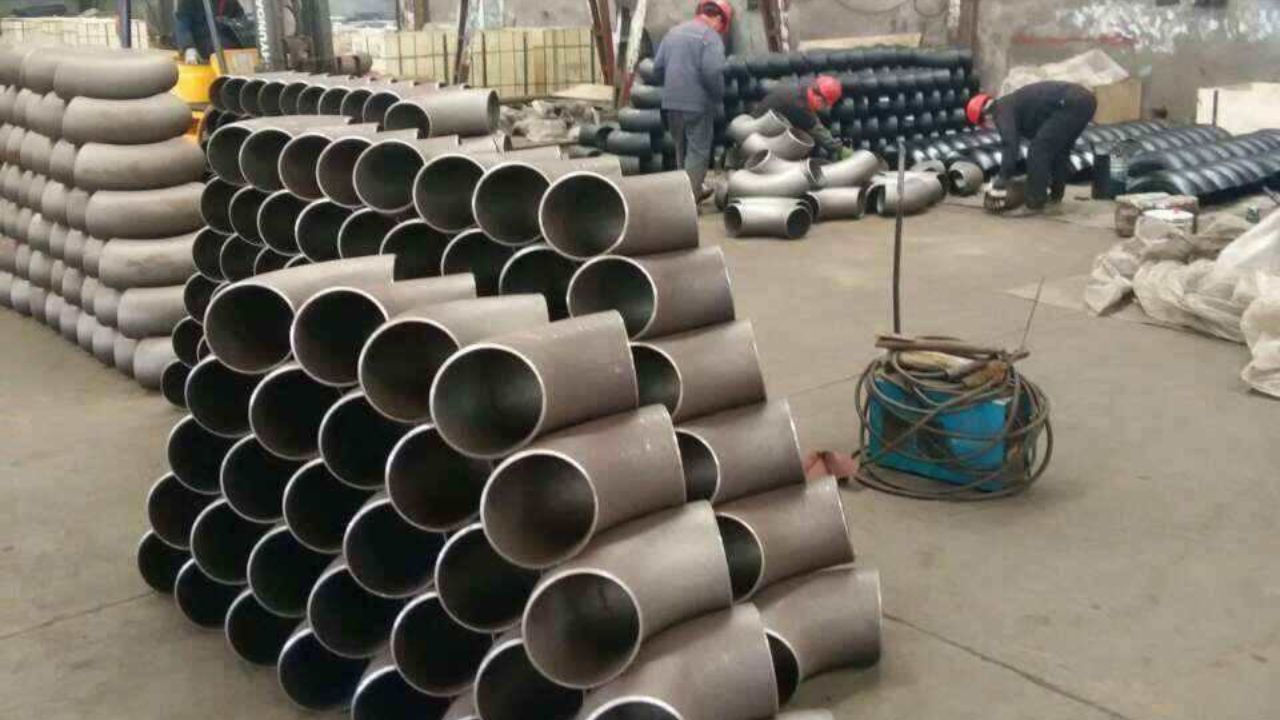
- Elbow: This fitting changes the direction of the pipe run. Common angles are 45 degrees and 90 degrees. They are used to route pipes around obstacles in a system.
- Tee: A Tee fitting has three openings. It is used to either combine or divide the fluid flow. Tees allow a branch line to be taken from the main pipeline.
- Steel Cross:This fitting has four openings in the same plane. It is used to connect four pipes. It allows fluid flow in four directions from a single point.
- Reducer: A Reducer is used to change the pipe size. It connects a larger pipe to a smaller pipe. This helps control the pressure and speed of the fluid within the system.
- Stub End: This is used with a lap joint flange. It acts as a connecting surface for the bolted flange. It allows easy disassembly for maintenance and repair work.
- Pipe Cap: A Pipe Cap covers the end of a pipe. It is used to stop the flow of fluid. It acts as a seal for the pipe end in temporary or permanent line closures.
- Nipple: A Nipple is a short piece of pipe. It has male pipe threads on both ends. It is used to connect two other fittings that need to be close together.
- Bend: A Bend is used to change the direction over a longer radius than an elbow. This reduces friction and minimizes pressure drop in the fluid flow.
How Alloy Steel Buttweld Fittings Improve Piping Performance
Alloy steel buttweld fittings are joined to pipes by welding. This creates a leak-proof connection that is very strong. The welded joint is seamless and minimizes fluid resistance. This improves the efficiency of the flow by reducing turbulence. The high-quality material ensures the entire piping system can handle extreme stress and vibration. This provides reliability and safety in critical operations. These fittings help maintain the system’s integrity over many years without wear.
Industry Applications of Alloy Steel Buttweld Fittings
Oil and Gas Sector
Alloy steel fittings are used in pipelines that carry crude oil and natural gas. They are essential in the transport of high-pressure, high-temperature fluids. Tees and elbows route the pipes at pumping stations. Reducers are used where pipe diameter must change for flow control.
Chemical and Petrochemical Plants
These facilities deal with corrosive and hot chemicals. Alloy steel fittings offer the necessary corrosion resistance and heat tolerance. They are used in chemical reactors and processing units. Pipe Caps are used to safely seal off inactive process lines.
Power Generation and Boilers
Power plants use high-pressure steam and hot water. Buttweld fittings are used in steam lines and boiler systems. Their superior strength handles the intense thermal cycling and pressure changes. Bends help reduce flow turbulence in the steam path, improving efficiency.
Water Treatment and Infrastructure
In certain advanced water treatment processes, corrosive agents are present. Alloy steel fittings are used for their durability and cleanliness. They are used in structural piping that requires high reliability and long life.
Choosing the Right Alloy Steel Buttweld Pipe Fittings
Selecting the right fitting depends on the system’s needs. Consider the operating pressure, temperature, and type of fluid being carried. The specific alloy grade must be suitable for the environment and service. The right type of fitting, like an Elbow or a Reducer, must meet the flow requirements of the design. Always ensure the fitting size and wall thickness matches the pipe. Proper selection guarantees optimal performance and safety for the whole system.
Conclusion
Alloy steel buttweld fittings are fundamental components in industrial piping. They offer strength, heat resistance, and long service life. Their use in critical industries highlights their importance and dependability. From oil pipelines to power plant boilers, these fittings ensure safe and efficient fluid transport. They remain a highly effective choice for demanding applications worldwide.