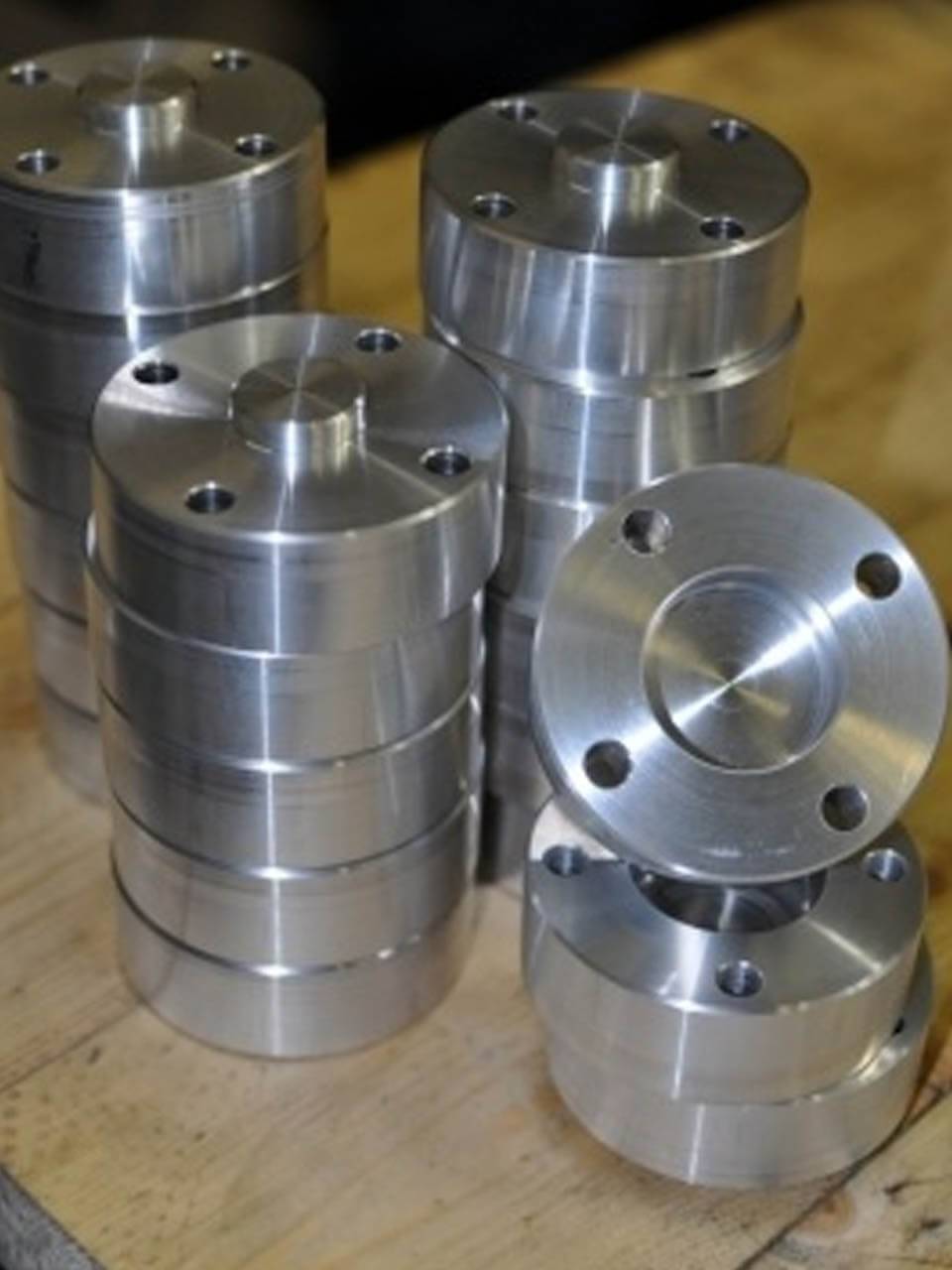

How are buttweld fittings made? If the mysteries of such an integral industrial component have caught your interest, look no further! This comprehensive guide to manufacturing buttweld fittings will explain every step of the process from start to finish. Learn what tools and techniques make up this complex operation and why it is important for the pipefitting industry. We’ll even discuss why these components are vital for industries that rely on pressurized piping systems – including oil and gas production, shipbuilding, energy generation plants, petrochemical refineries and more. Please grab a cup of coffee, and let’s get started!
What is Buttweld Fittings?
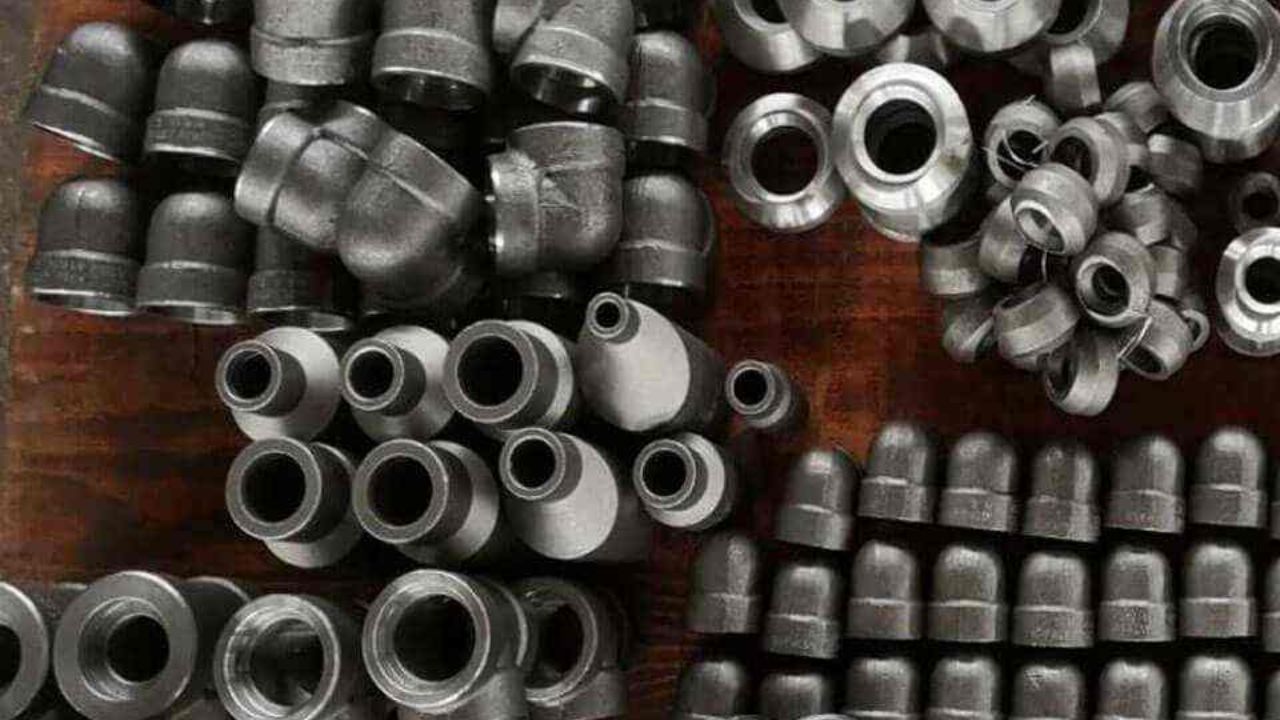
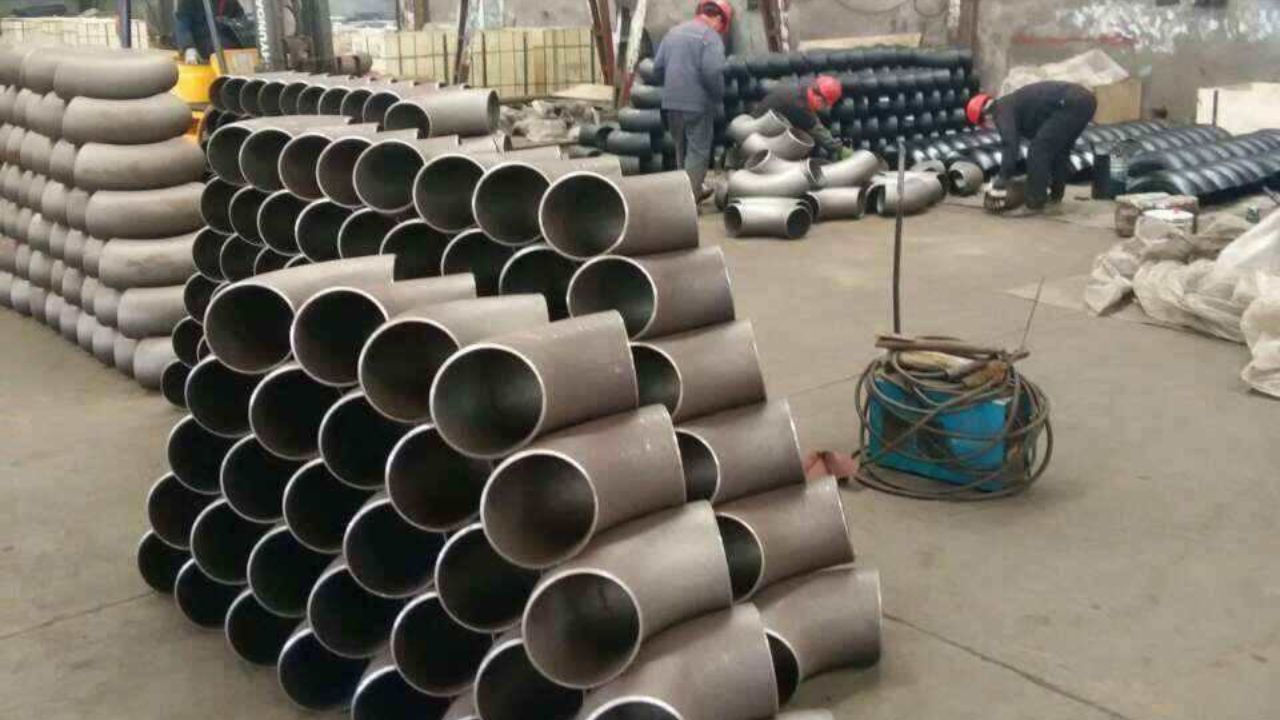
Buttweld fittings are pipe fittings designed to be welded onto pipes and other components to join them together. These special fittings offer advantages such as strength, high-pressure ratings, better performance under vibration and shock loads, improved fluid flow characteristics, lower leakage rates, and higher tensile strength-to-weight ratio than traditional flanged or threaded connections. Buttweld fittings are commonly used in the gas and oil industry for a safe connection to prevent breaking or leaking under pressure. They come in various shapes, including elbows, tees, crosses and reducers. Buttweld fittings are also very economical compared to flanges or threading operations due to their low-cost, material usage, and simple installation process.
How Buttweld Fittings Are Made
The manufacturing process of buttweld fittings begins with the selection of raw materials. The raw materials are usually in the form of pipes or tubes. The pipes or tubes are then cut into specific lengths based on the required dimensions of the buttweld fittings. The pipes or tubes are then cleaned to remove rust or impurities using a special chemical solution.
After cleaning, the pipes or tubes undergo a process known as beveling. Beveling ensures that the edges of the pipes or tubes are smooth and free from sharp edges or burrs. This makes welding the pipes or tubes together easier during the buttweld process. Next is the fitting process, where the pipes or tubes are bent or threaded into the desired shape for the types buttweld fitting.
The next step in the manufacturing process involves welding two pipes or tubes together. This is done using a buttwelding machine that heats the edges of the pipes or tubes to be joined and then fuses them using pressure. The weld is then inspected to ensure it is free from any defects, such as cracks or porosity. If the weld passes the inspection, it is allowed to cool down.
The buttweld fittings are then polished to achieve a smooth finish. Polishing helps remove any residual oxidation or discoloration caused by welding. The fittings are then marked with the relevant information, including the right type, material grade, and size.
Finally, the buttweld fittings undergo quality control checks to meet the required specifications. The fittings are checked for dimensional accuracy, surface finish, and material composition. Once they pass the quality control checks, the fittings are ready to be packaged and shipped to the customer.
Conclusion:
Buttweld fittings are an important component of any piping system, and their manufacturing process is crucial in ensuring their durability and reliability. The manufacturing process of buttweld fittings involves selecting the right raw materials, cleaning, beveling, fitting, welding, polishing, marking, and quality control checks. Quality checks are carried out at every step of the manufacturing process to ensure that the fittings meet the required specifications. If you want to purchase buttweld fittings, choosing a reputable manufacturer that follows the necessary procedures and quality checks is essential.