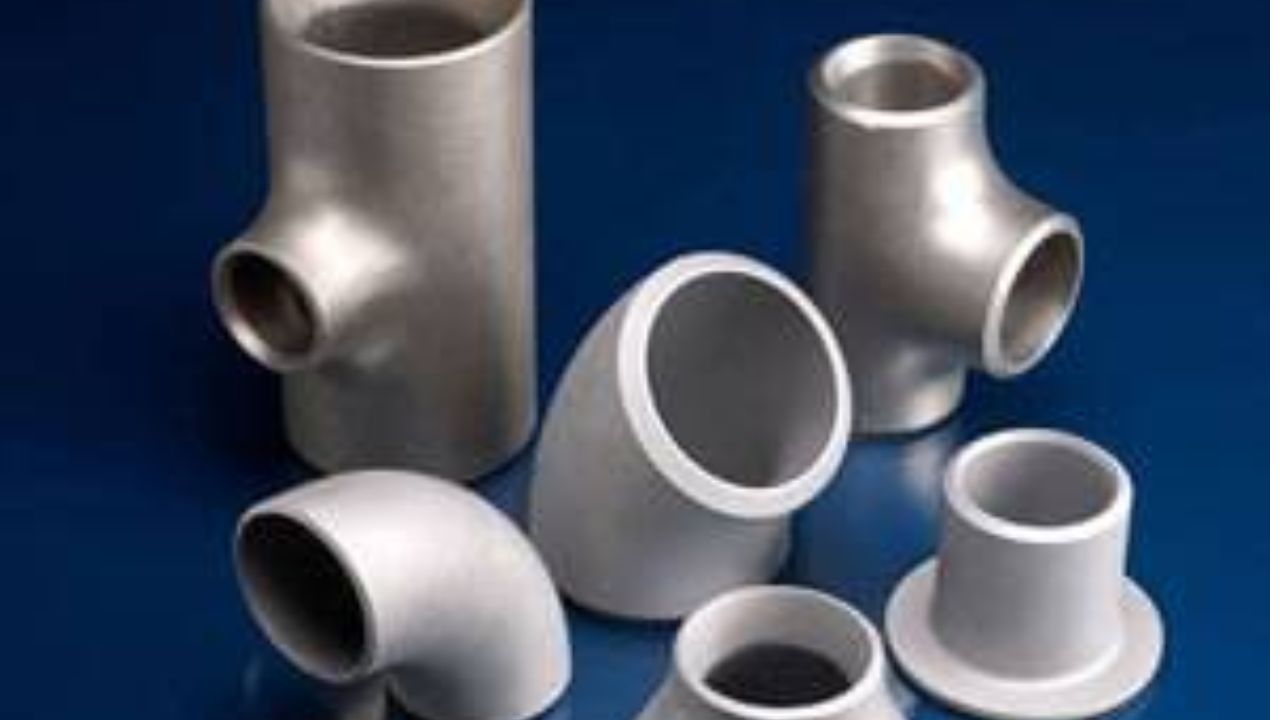
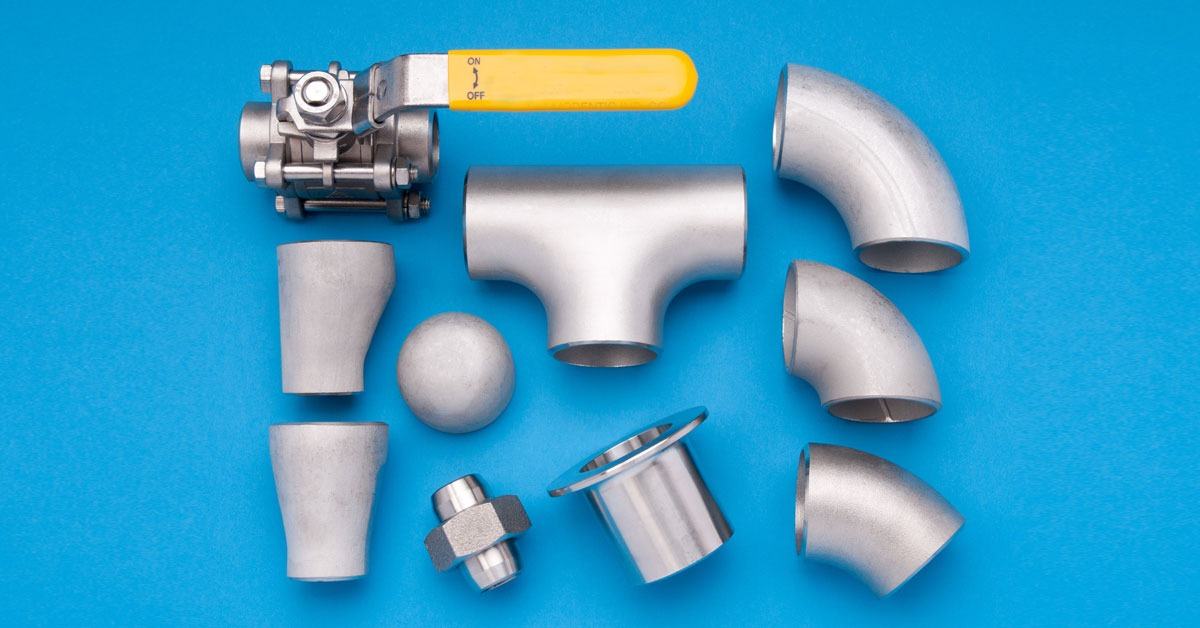
Stainless Steel Butt Weld Pipe Fittings
A number of factors must be considered when selecting the stainless steel Butt Weld pipe fitting grade. Stainless steel is a type of metal that has excellent resistance to corrosion, and it can be made in many different shapes and sizes fitting. Stainless steel butt-weld fittings are also necessary for certain applications or environments because of their corrosion resistance. The fabrication qualities and strength of the steel are also important factors to take into account. Stainless steel comes Butt Weld Pipe in more than 60 different grades. The entire group can be split up into four metallurgical classes, though. If you want to choose what level of service performance is required, you may also need to consider mechanical or physical attributes.
Grades of Stainless Steel Butt Weld Pipe FittingStainless Steel Butt Weld Pipe Fitting and Their Uses:
300 Series austenitic steels – include grades T304/T316 with 17 to 25% chrome and 8 to 25% nickel, they are nonmagnetic, not heat-treatable, and non-absorbent. By cold working, great strength can be developed. It is possible to improve corrosion resistance by adding molybdenum (up to 7%). The 300 series is easy to maintain, resists corrosion, and maintains its strength at high temperatures. A Type 316 steel has more molybdenum and nickel than a Type 304 steel, which results in superior corrosion resistance.
Some common uses of this technology are in surgery, food and beverage manufacturing, wastewater treatment, chemical manufacturing, and the construction industry.
400 Series Martensitic: 410 Straight chromium (12–18%); magnetic; can be heat-treated to harden. Type 410 does not corrode when exposed to steam or moderate chemical conditions.
Typical Grade: As examples of typical applications, fasteners, machine parts, and pump shafts can be cited.
400 Series Ferritic: 430 Straight Chromium is normally found in 400 Series Ferritic steel grades with a carbon content of 12-18%. It is magnetic and has low carbon content, but cannot be heated. In typical applications, highly polished trim is used in food processing and other applications.
Precipitation Hardening: Typical grade: martensitic or austenitic 17-4 Chromium (12-28 percent), nickel (4-7 percent). According to the designation grade 630, which is also known as grade 17-4, nickel and chrome are added in the proportions of 17 percent and 4 percent respectively. The steels exhibit high strengths, good ductility, and a high degree of corrosion resistance at mild temperatures.
In most cases, valves, gears, pump components, bolts, saws, and shafts are used.
Basic applications of stainless steel butt weld pipe material:
Under industrial environments, stainless steel butt weld pipe is a material that holds up well. It is a good option for use in manufacturing tools, food production plants, and other types of equipment. Stainless steel is perfect for usage in a variety of situations, including marine and offshore environments, due to its great strength and corrosion resistance, and oxidation.
Stainless steel is a great material to use for joining large machinery or components together because it is very simple to butt weld pipe. The stainless steel butt weld pipe material is also useful to medical sectors for medical equipment.