Are you looking for reliable and robust pipe fittings to ensure a leak-proof connection in your pipeline system? If so, choosing the right buttweld fittings is paramount, as these play an important role in preventing losses, ensuring safety against potential accidents, and maintaining the efficiency of the entire system. With this basic knowledge about buttweld fitting systems already established, let’s dive deeper into their design features and how they are further optimized to provide superior performance when used with different types of pipelines. In this blog post, we will explore why choosing and installing your pipe fittings is important – from selecting the best material options based on specific needs to understanding how welding processes can affect overall environmental performance. Read on and find out more!
What is Buttweld Fittings
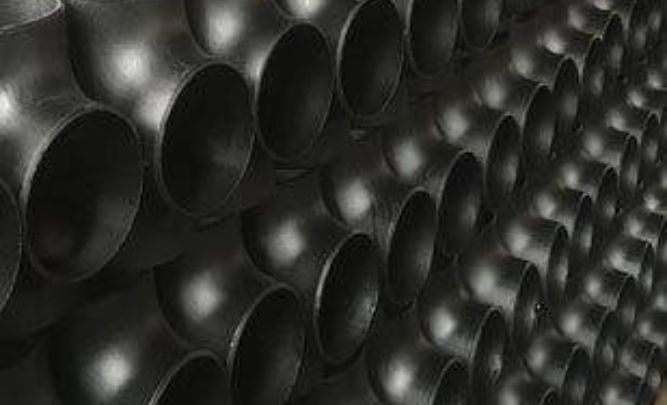
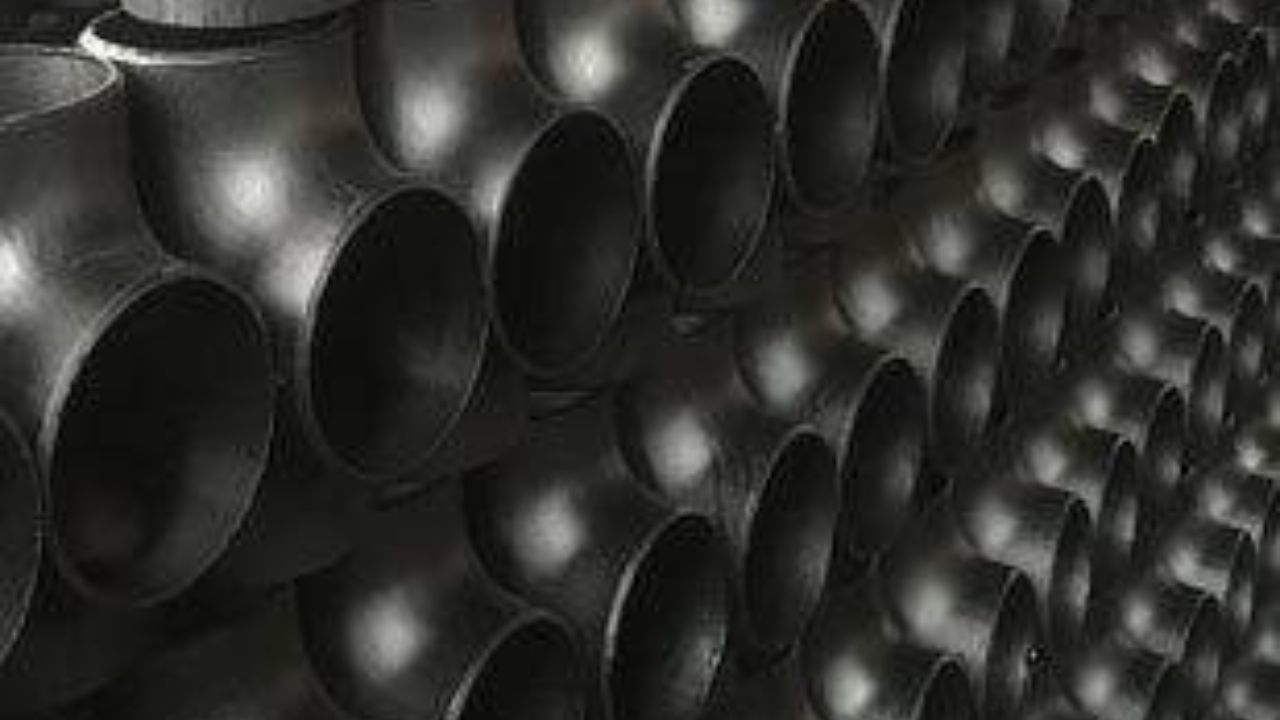
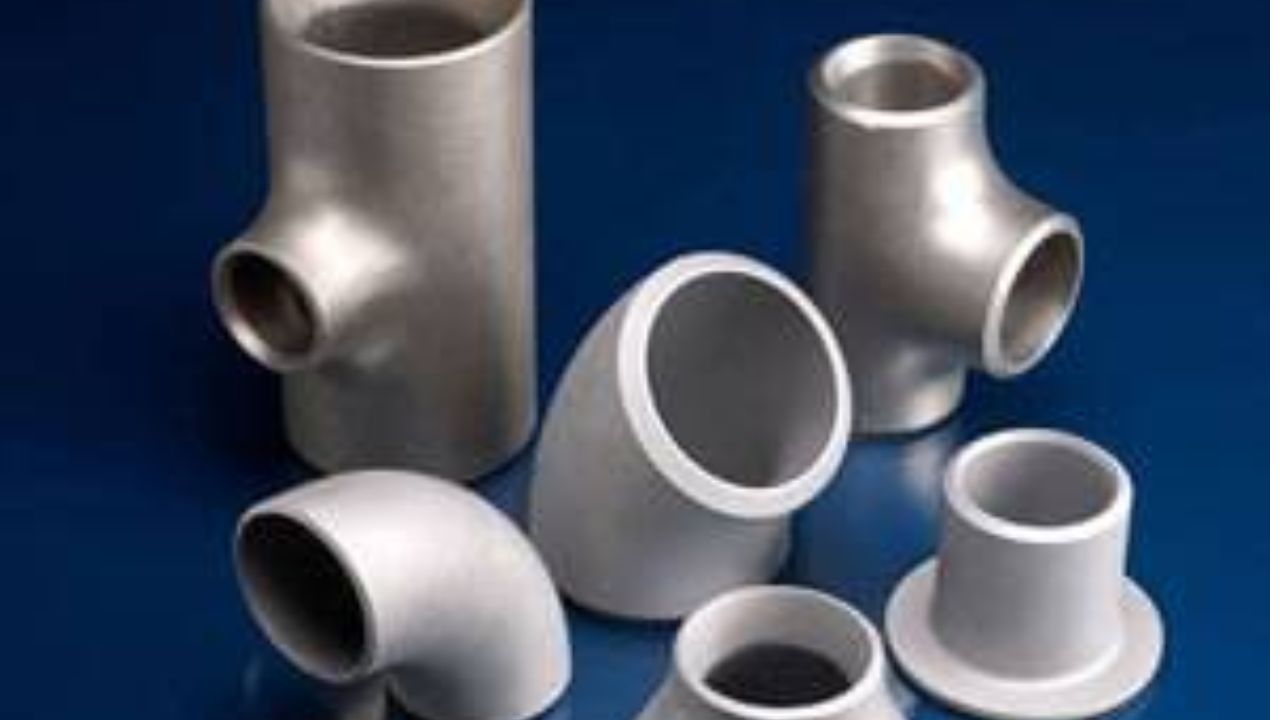
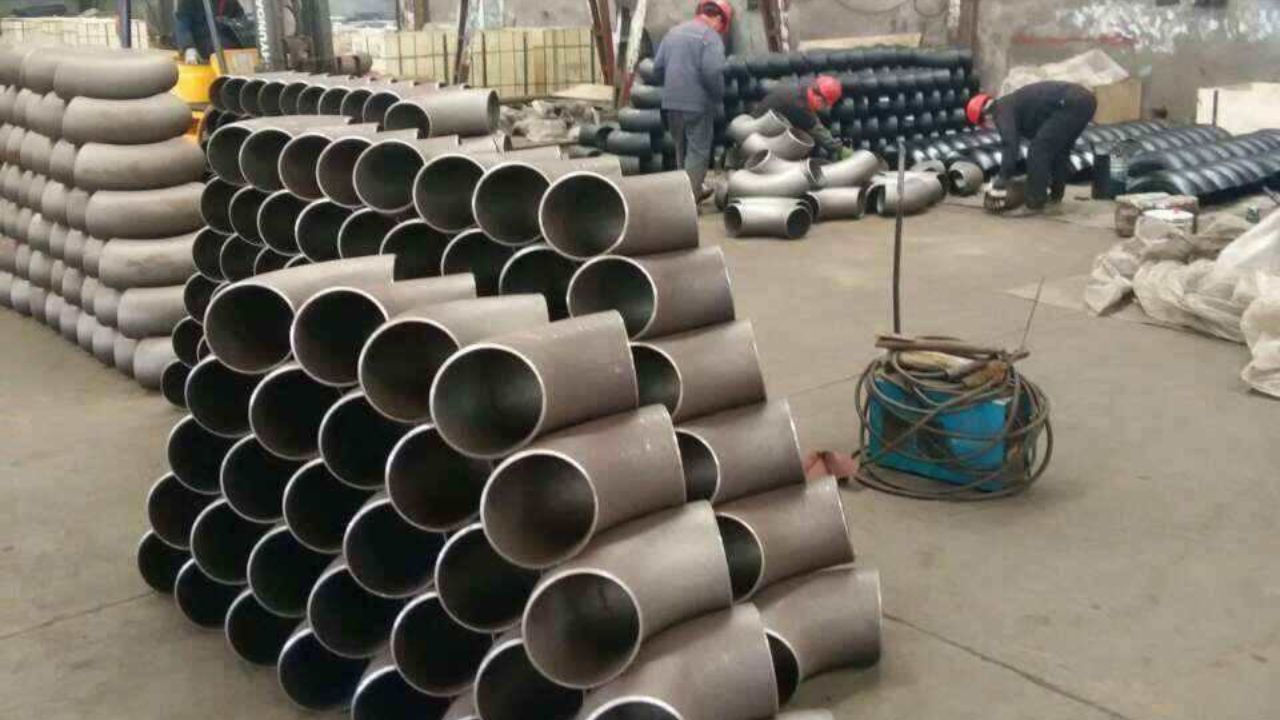
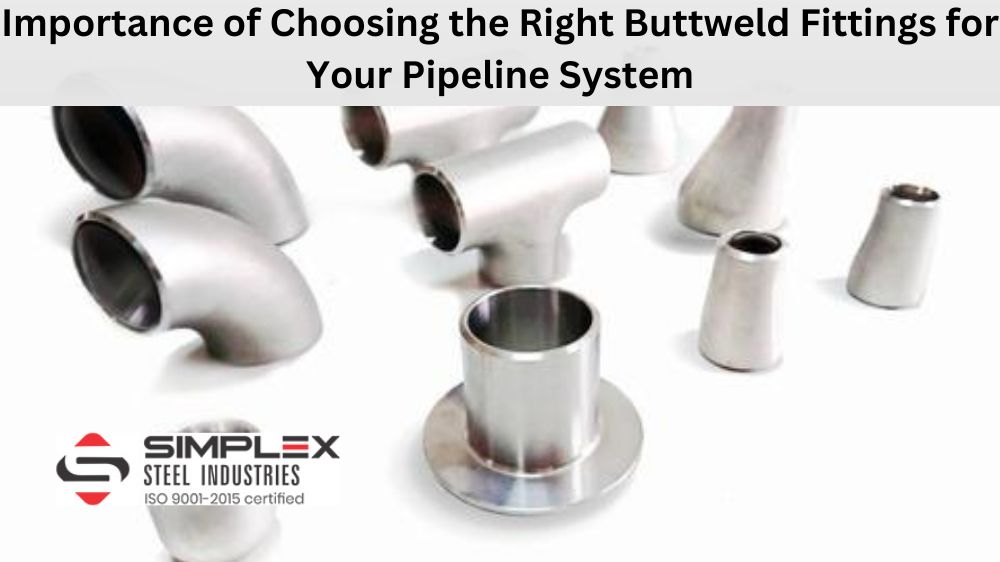
Butweld fittings are a type of pipe fitting used to connect pipes and other components in a piping system. They are typically made from stainless or carbon steel and are designed with two sockets that fit against the opposing ends of their connecting pipe. These fittings offer superior strength, corrosion resistance, and reliability compared to traditional methods like soldering. Additionally, buttweld fittings provide an excellent seal between pipes, which is important for allowing an efficient flow of materials through a pipe network.
How to Choose Buttweld Fittings
Material Compatibility:
The material used in the buttweld fitting should be compatible with the pipeline material to prevent corrosion and leaks. For instance, if you are using a corrosive fluid in the pipeline, you will need a fitting made from a material that can withstand it, such as stainless steel. Similarly, if you use a high-temperature fluid, you will need a fitting that can withstand heat, such as carbon steel.
Pressure Ratings:
The pressure rating of the buttweld fittings should be compatible with the pressure at which the pipeline operates. If the fittings are not rated for the pressure in the pipeline, they can fail, causing leaks or other problems. Therefore, choosing fittings with the correct pressure rating for your pipeline system is crucial.
Size and Shape:
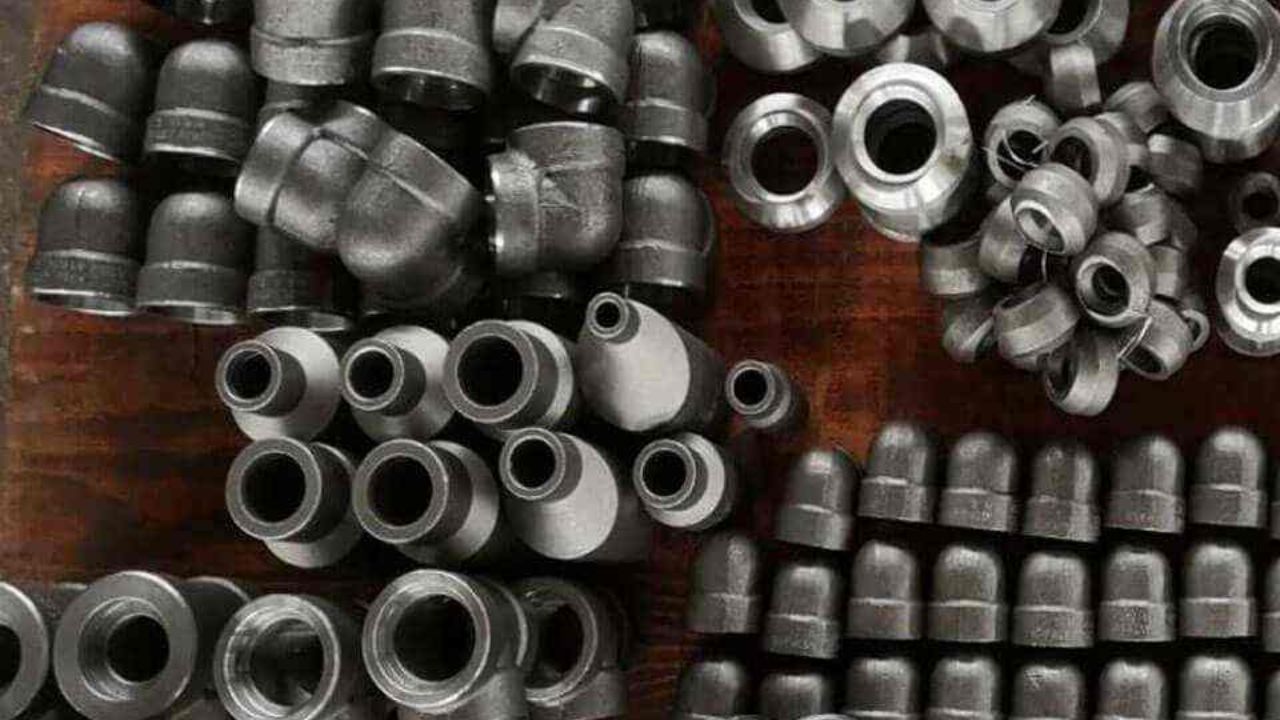
Buttweld fittings come in various sizes and shapes, and it is essential to choose fittings that match the size of the pipe they are connecting. Size mismatch can lead to leaks or other pipeline problems, compromising efficiency and safety. Additionally, fittings with different shapes, such as elbows or tees, can be used to change the pipeline’s direction or the pipe’s size, which is crucial in designing a pipeline system to operate optimally.
Cost:
The cost of the buttweld fittings should also be considered when selecting them. While high-quality fittings might be more expensive than low-quality ones, they can save you money in the long run by preventing leaks and other problems that can be costly to fix. Therefore, it is important to balance cost and quality when selecting the fittings for your pipeline system.
The reputation of the Manufacturer:
Finally, the manufacturer’s reputation should also be considered when selecting buttweld fittings. A reputable manufacturer who follows industry standards uses high-quality materials, and has a good track record in producing reliable fittings is more likely to produce long-lasting and reliable fittings that can improve the efficiency and safety of your pipeline system.
Conclusion:
Selecting the right buttweld fittings for your pipeline system is crucial to ensure the system’s efficiency, safety, and reliability. Factors such as compatibility, pressure rating, size, shape, cost, and the manufacturer’s reputation should be considered. By choosing the right fittings, you can minimize the risk of leaks and other problems, which can be costly to fix and pose dangers to human life and the environment. Therefore, working with reputable suppliers and manufacturers is essential to get the best fittings that can optimize your pipeline system’s performance.