Are you using carbon steel buttweld fittings in your equipment and systems but have not considered regular maintenance or inspections? Then it’s time to step back and ask yourself if that is the best action. The importance of proper maintenance and inspection of carbon steel buttweld fittings must be balanced, as failure to do so can lead to many potential problems. From corrosion-related issues such as erosion due to stray electrical currents, oxidation because of heat build-up, scaling caused by contact with foreign materials or other factors, total system failure may result without adequate preventive measures. Read on to learn more about why it is important for industrial enterprises to regularly inspect their butt weld fittings to ensure optimal performance.
What is Carbon Steel Buttweld Fittings
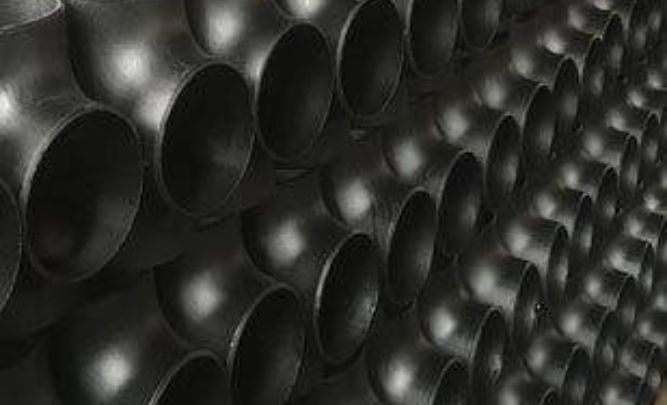
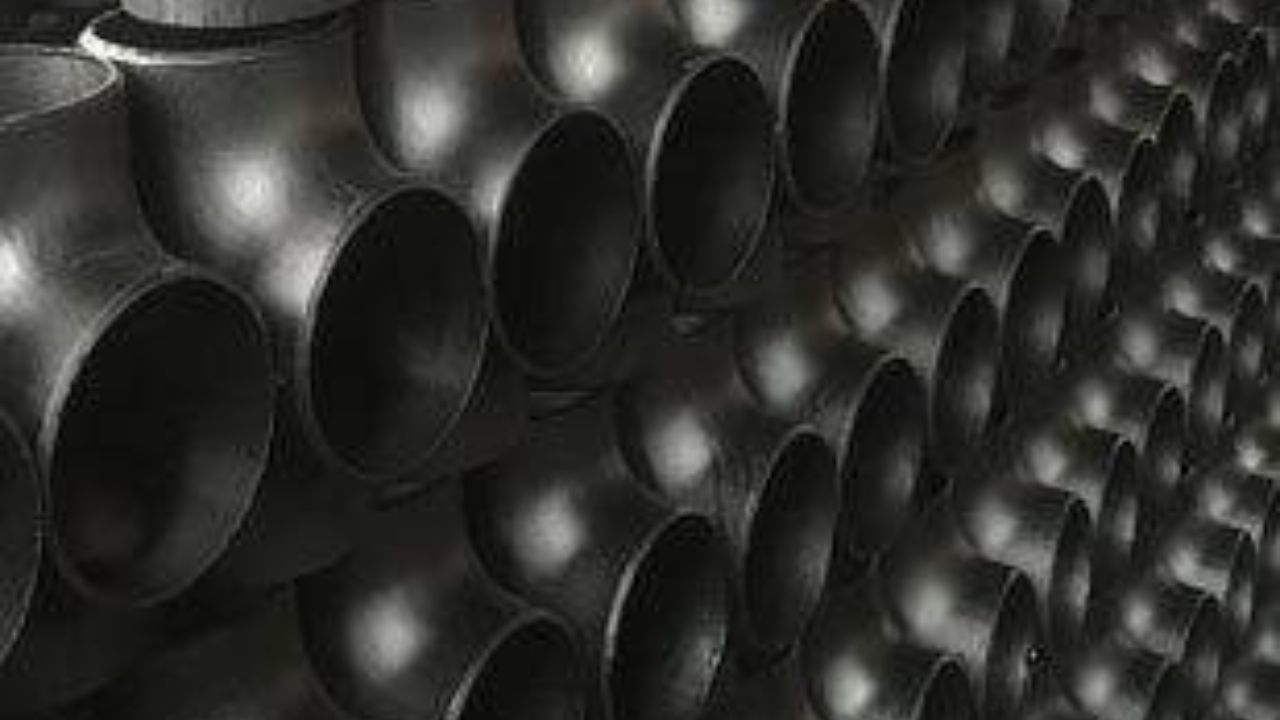
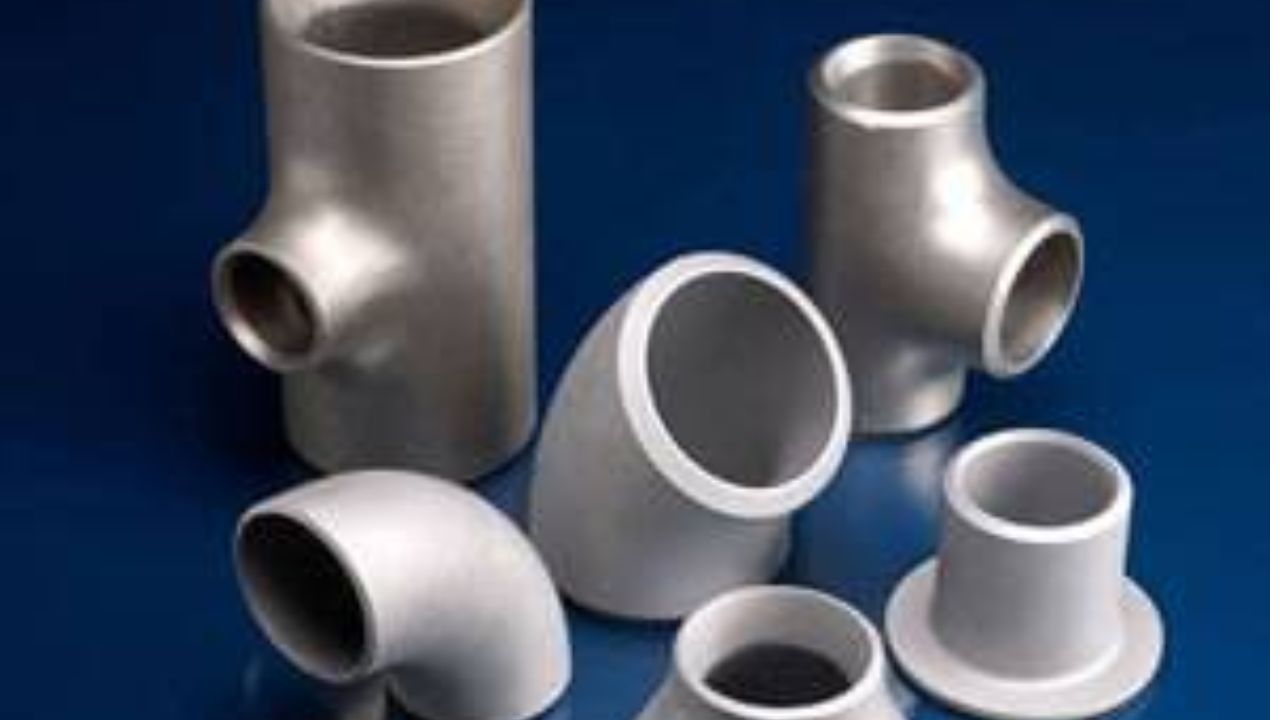
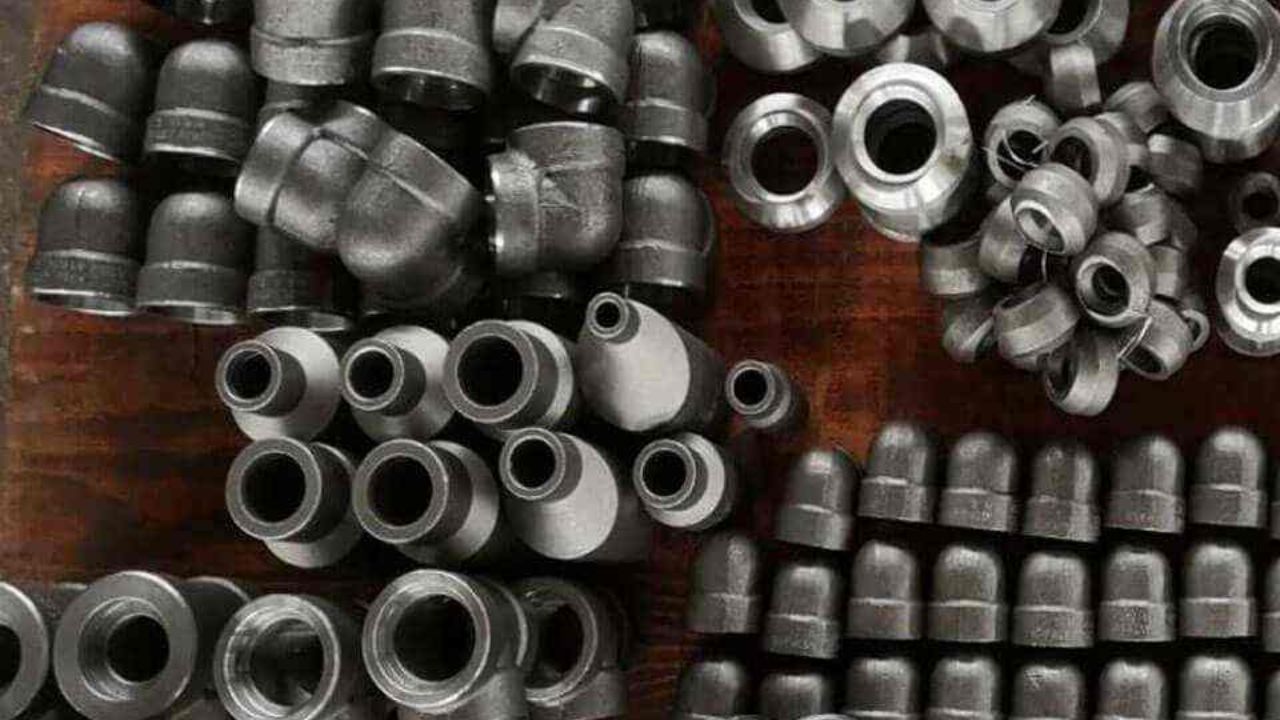
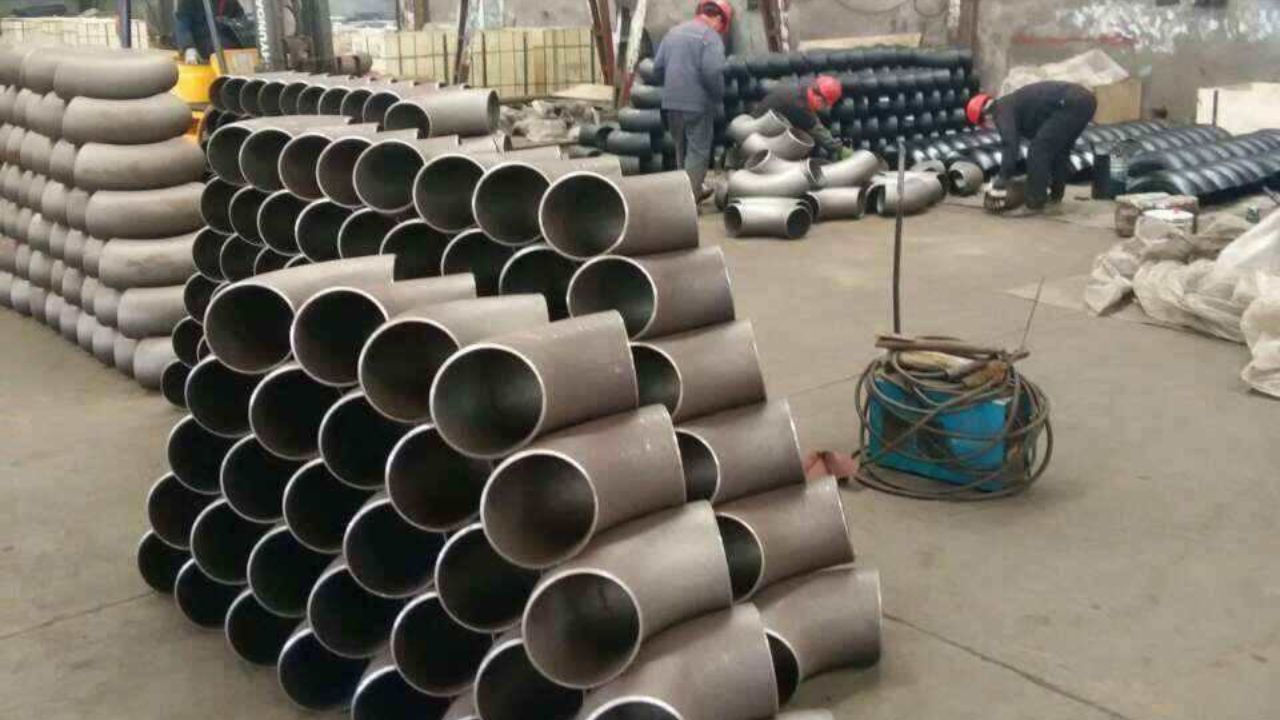
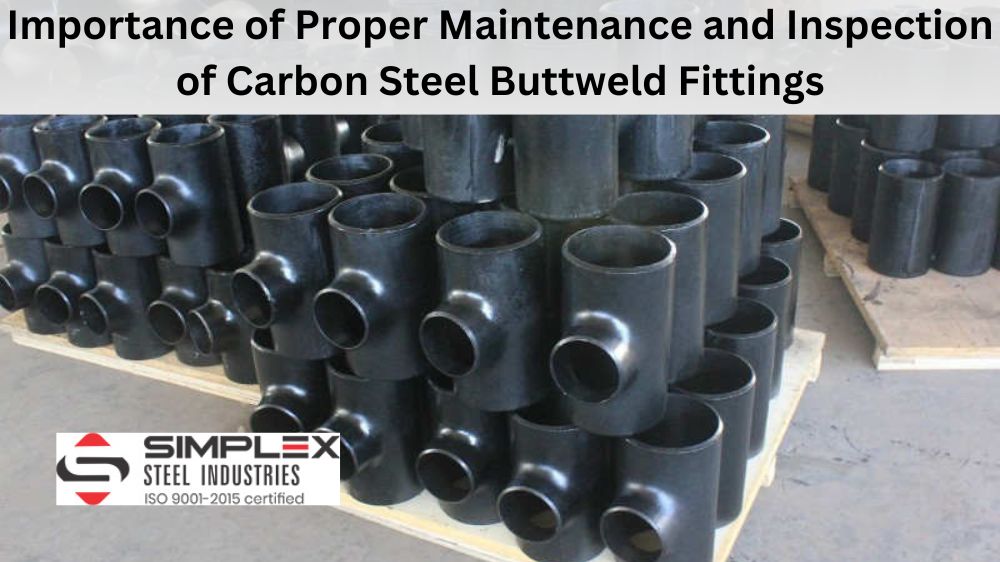
Carbon steel buttweld fittings are pipe fittings made from carbon steel material. They have been designed for high-pressure applications and can be used with seamless, welded, or fabricated pipes and tubes. In addition, they feature superior corrosion resistance compared to other materials due to their low-temperature properties. Carbon steel buttweld fittings are also widely used in pipeline systems due to their easy installation process compared to others, their low cost when compared with different types of fittings and their long service life. Moreover, it is also highly preferred by oil and gas industry workers as the welding joint strength is higher than that of cast iron or brass fittings.
Maintenance and Inspection of Carbon Steel Buttweld Fittings
Importance of Regular Maintenance:
Regular maintenance is necessary to ensure the longevity of carbon steel buttweld fittings. Unchecked wear and corrosion can lead to cracks and leaks, resulting in costly repairs and time-consuming downtime. Regular maintenance helps identify these potential issues and ensures that they are addressed promptly. Regular lubrication, cleaning, and calibration of fittings are necessary to keep them functioning correctly.
Inspection Techniques:
Inspection of carbon steel buttweld fittings is critical for detecting faults and identifying potential problems before significant accidents occur. Several techniques can assist in the inspection, such as visual inspection, dye-penetrant testing, and magnetic particle inspection. These techniques help identify issues like cracks, leaks, and corrosion, allowing for early detection, which can prevent the costly replacement of fittings.
Protecting Against Corrosion:
Carbon steel buttweld fittings are vulnerable to corrosion, which can lead to failure. Several measures can be taken to protect against corrosion, such as coating, cathodic protection, and corrosion inhibitors. Appropriate corrosion management strategies can prolong the lifespan of fittings, significantly reducing maintenance costs.
Training and Education:
Proper maintenance and inspection of carbon steel buttweld fittings require knowledgeable and up-to-date employees with the latest techniques and practices. Training employees in the proper care and maintenance of carbon steel buttweld fittings ensure that they perform their work correctly and can significantly reduce the potential for accidents. Regular education and training ensure employees stay informed about the latest technology and best practices.
Compliance and Regulations:
In industrial settings, compliance with regulations and standards is paramount for ensuring safety and preventing accidents. Workplaces must adhere to the relevant regulations, such as ASME, ANSI, and ASTM, to ensure compliance with standards. Regular audits can identify areas needing improvement or highlight non-compliance to standards and ensure proper procedures are in place to rectify these issues.
Conclusion:
Carbon steel buttweld fittings are essential components in industrial processes, and their proper maintenance and inspection are critical for achieving safety, preventing accidents, and maintaining productivity. Regular maintenance, proper inspection techniques, corrosion protection, employee training, and compliance with regulations can significantly reduce the likelihood of accidents and improve workplace safety. Consequently, industries must adopt these measures to ensure these critical components’ integrity and safe functioning.