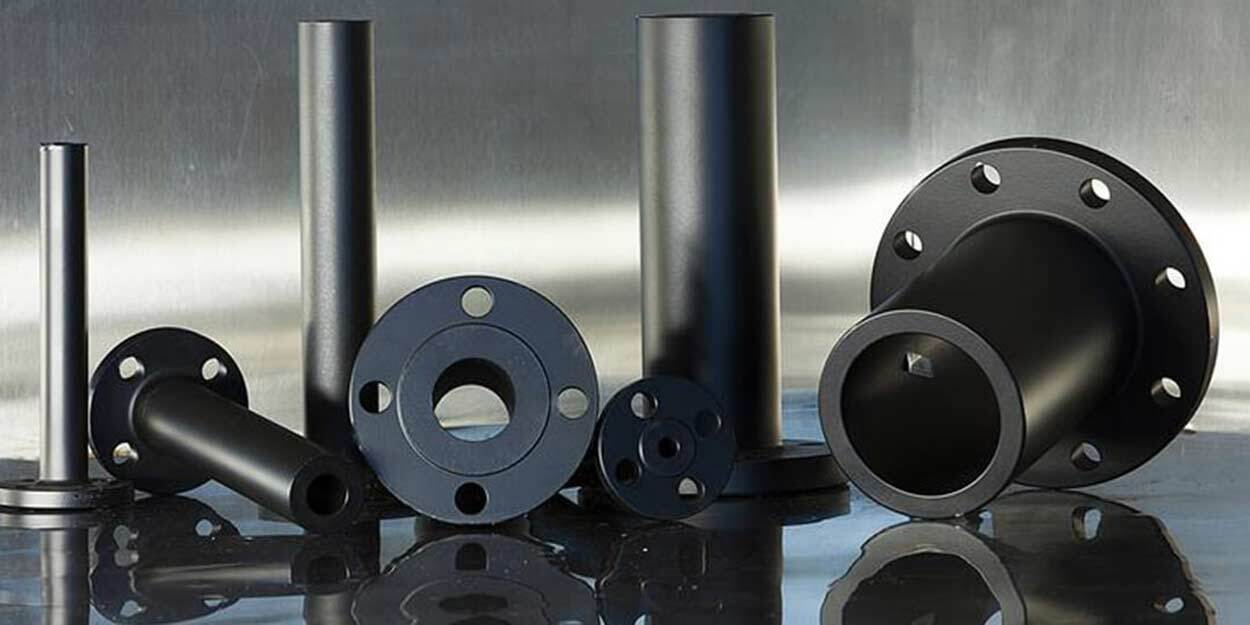

Flanges are essential components in piping systems, used to connect pipes, valves, pumps, and other equipment. Among the many materials available, Monel 400 flanges and stainless steel flanges are two popular choices, particularly in industries where strength and corrosion resistance are crucial. Choosing the right flange material is critical for ensuring optimal performance, reliability, and durability in demanding environments. This guide explores the key differences between Monel flanges and stainless steel flanges, examining their composition, mechanical properties, corrosion resistance, cost, and typical applications to help engineers, procurement teams, and industry professionals make informed decisions tailored to specific application requirements.
What is Monel 400?
Monel 400 is a nickel-copper alloy (roughly 67% nickel and 23% copper), renowned for its excellent resistance to corrosion, especially in marine and chemical environments. It also includes small amounts of iron, manganese, carbon, and silicon. Monel 400 flanges are especially valued in highly corrosive settings where other metals may fail.
Key Features of Monel 400 Flanges:
- High corrosion resistance in seawater and acidic environments.
- Excellent mechanical properties at sub-zero and elevated temperatures.
- Strong resistance to stress corrosion cracking and pitting.
- Ideal for offshore, marine, and chemical processing applications.
What is Stainless Steel?
Stainless steel is a broad category of corrosion-resistant steel alloys, typically made from iron, chromium (at least 10.5%), and varying amounts of nickel and molybdenum. Common grades used for flanges include 304, 316, and 321.
Key Features of Stainless Steel Flanges:
- Good corrosion resistance in various environments, including fresh water and mild chemicals.
- High strength and durability.
Cost-effective and widely available. - Suitable for a wide range of applications, including water treatment, oil & gas, and food processing.
Monel vs Stainless Steel: Head-to-Head Comparison
1. Corrosion Resistance
- Monel 400 flanges offer superior corrosion resistance, particularly in environments involving salt water, sulfuric acid, hydrofluoric acid, and other harsh chemicals.
- Stainless steel flanges (especially 316 grade) also provide good resistance, but they may be prone to pitting and crevice corrosion in chloride-rich environments.
Winner: Monel 400
2. Strength and Durability
- Monel 400 provides higher strength and toughness, especially at extreme temperatures.
- Stainless steel also delivers high strength, but Monel is often the preferred choice in demanding mechanical conditions.
Winner: Monel 400 (for extreme conditions)
3. Temperature Tolerance
- Monel flanges perform well in both high and cryogenic temperatures.
- Stainless steel has good thermal resistance, but may suffer from scaling at very high temperatures.
Winner: Monel 400 (slightly ahead)
4. Cost
- Monel 400 is significantly more expensive due to its high nickel content and specialized production process.
- Stainless steel flanges are more cost-effective and easier to source, making them ideal for budget-sensitive projects.
Winner: Stainless Steel
5. Weldability and Fabrication
- Stainless steel is easier to weld and fabricate.
- Monel requires skilled welding techniques and may pose challenges during machining.
Winner: Stainless Steel
Applications
Monel 400 Flanges Are Ideal For:
- Marine and offshore engineering
- Chemical and hydrocarbon processing
- Heat exchangers and condensers
- Acid and alkali handling systems
Stainless Steel Flanges Are Commonly Used In:
- Food and beverage industry
- Oil & gas pipelines
- Water treatment plants
- Pharmaceutical and dairy processing
Final Thoughts
The choice between Monel Flanges and Stainless Steel Flanges comes down to application-specific needs. If your project involves highly corrosive environments, extreme temperatures, or offshore exposure, Monel 400 flanges provide unmatched performance and longevity. However, for general-purpose use with budget constraints, stainless steel flanges offer a reliable and economical solution.
Understanding the core differences in the Monel vs stainless steel debate ensures that you select the right material that balances performance, cost, and long-term value for your project.