
When working with piping systems, choosing the right type of fitting is crucial for ensuring durability, safety, and performance. Two common types of weld fittings used in industrial applications are Socket Weld and Butt Weld fittings. But how do you decide which one is the best fit for your project? Let’s break it down in simple terms.
What is a Socket Weld?
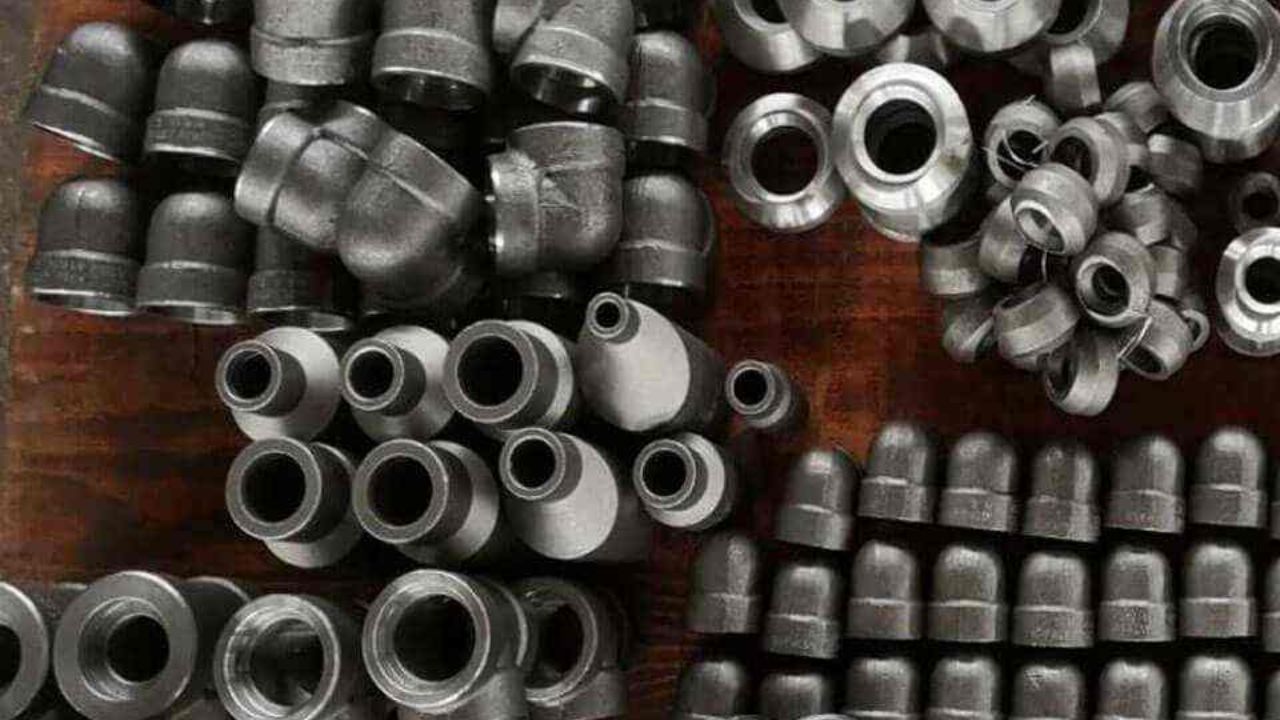
Socket Weld fittings are pipe fittings where the pipe is inserted into a recessed area of the fitting and then welded around the outside. This type of welding is ideal for smaller pipes (typically up to 2 inches in diameter) and is widely used in high-pressure applications. The strong leak-proof connections from socket welding make it a top selection for chemical processing, power plants, and oil & gas applications.
Advantages of Socket Weld Fittings
- High Strength & Durability – The weld provides a strong joint that can withstand high pressure and temperature.
- Leak-Proof Connections – Since the pipe fits into the socket before welding, there is a reduced chance of leakage.
- Easy Alignment – The socket’s design ensures proper pipe alignment before welding, reducing installation errors.
- Ideal for Small Pipe Sizes – Best suited for pipes up to 2 inches in diameter.
Disadvantages of Socket Weld Fittings
- Not Suitable for Large Pipes – Limited to small pipe sizes, making them unsuitable for large-diameter applications.
- Possible Corrosion Issues – The socket gap can trap fluids, leading to potential corrosion over time.
- Requires Skilled Welding – Proper execution is needed to avoid defects in the joint.
What is a Butt Weld?
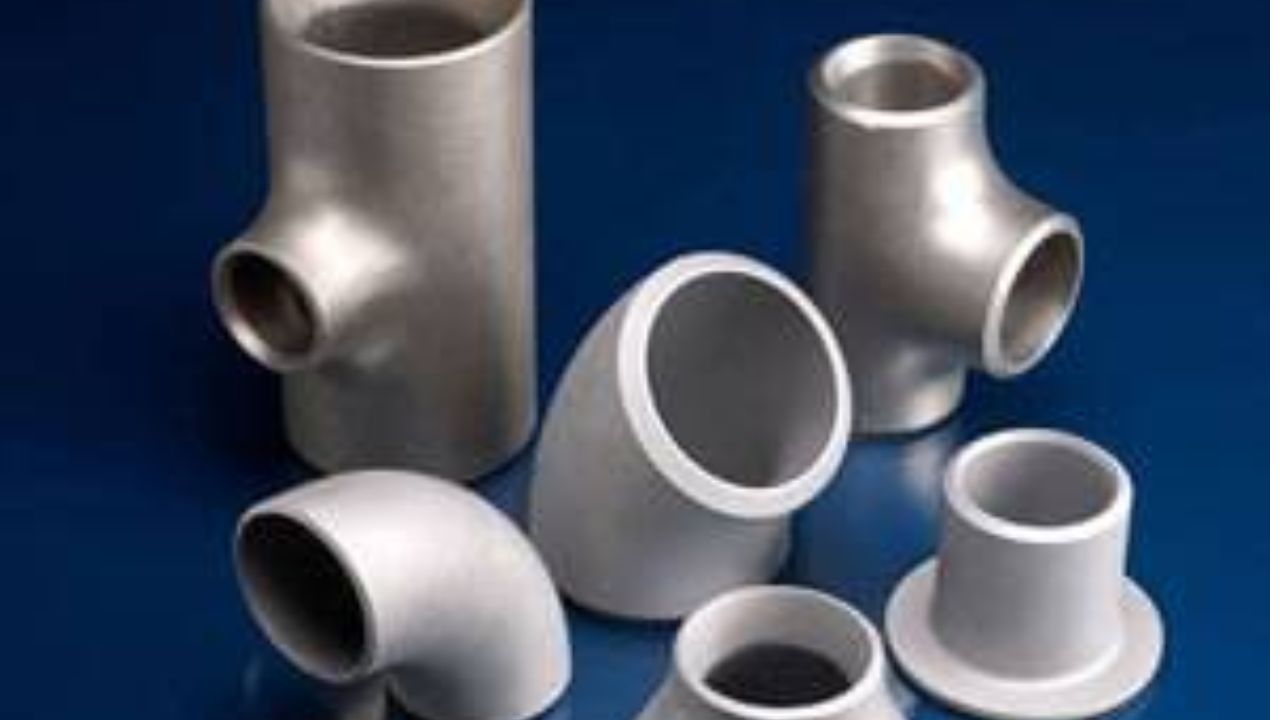
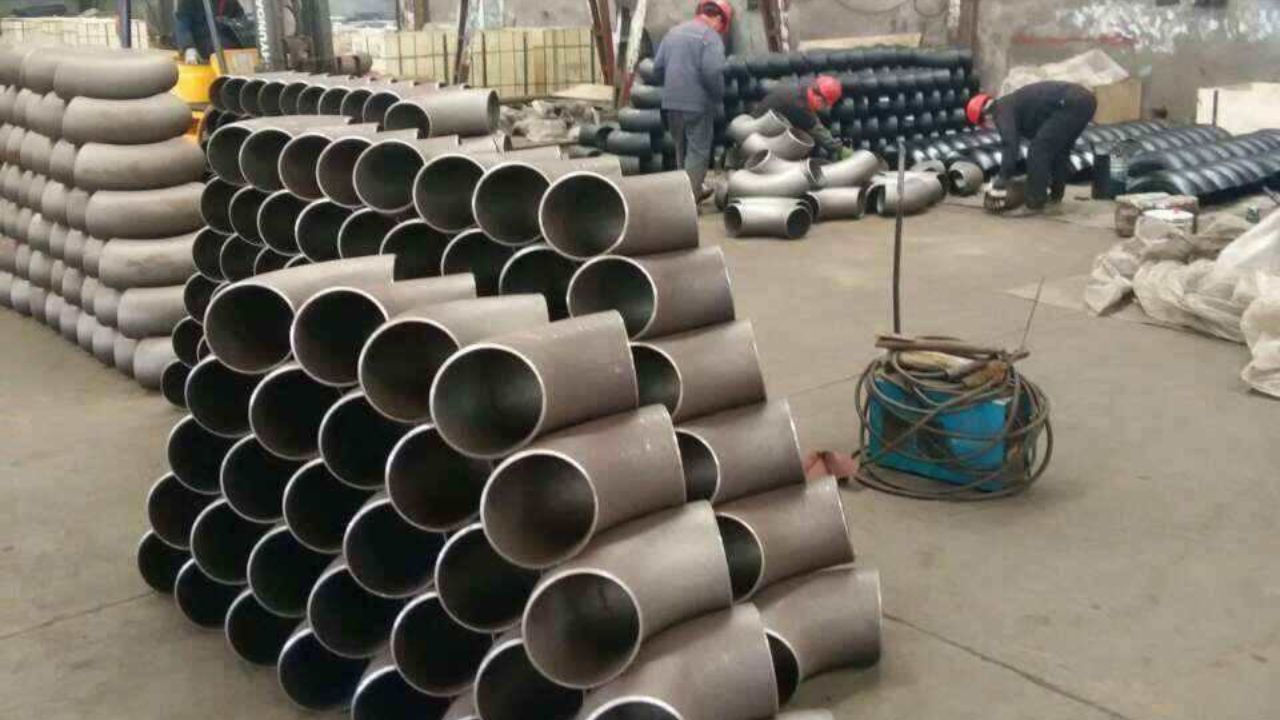
Butt Weld fittings involve welding the beveled ends of two pipes directly together. This creates a seamless, strong connection that is suitable for larger pipes and high-pressure applications. Socket weld vs. butt weld comparisons often highlight that butt welds are used where strength and durability are paramount.
Advantages of Butt Weld Fittings
- Stronger & More Durable – Provides a seamless connection that is extremely robust.
- Smooth Internal Surface – No gaps or crevices, reducing the risk of fluid buildup and corrosion.
- Ideal for high-pressure applications. It is used in industries like petrochemicals, power plants, and water treatment.
- Suitable for Large Pipe Sizes – This can be used for any pipe size, unlike socket welds, which are limited to smaller pipes.
Disadvantages of Butt Weld Fittings
- More Complex Installation – Requires precise alignment and skilled welding to ensure a proper joint.
- Time-Consuming Process – The welding process takes longer than socket welding.
- Higher Cost – Material and labor costs are generally higher than socket weld fittings.
Socket Weld vs. Butt Weld: Key Differences
| Feature | Socket Weld | Butt Weld |
| Pipe Size Suitability | Small (Up to 2 inches) | All sizes |
| Strength & Durability | Strong but limited to small pipes | Extremely strong, suitable for large pipes |
| Corrosion Resistance | Potential fluid traps can lead to corrosion | Seamless connection reduces corrosion risk |
| Installation Complexity | Easier to align and install | Requires skilled welding and precise alignment |
| Cost | Lower material and labor costs | Higher material and labor costs |
| Joint Integrity and Leakage Risks | Generally high, but potential leakage if not installed correctly | Reduced risk of leakage with proper installation |
When to Use Socket Weld Fittings?
- When working with small-diameter pipes (up to 2 inches).
- If you need a simple installation with less welding expertise.
- When the system operates under moderate pressure and temperature.
- Ideal for industries such as chemical plants, oil refineries, and steam distribution systems.
When to Use Butt Weld Fittings?
- When working with large-diameter pipes.
- If the system operates under high pressure and temperature.
- When you need a strong, seamless, and long-lasting connection.
- Suitable for industries like power generation, oil & gas, and water treatment plants.
Conclusion
Your project needs to determine which Socket-Weld and Butt Weld fittings you should select. Small pipes requiring simple installation procedures should use socket welding as their fitting solution. High-pressure applications need butt weld fittings because they provide stronger seamless connections than socket weld fittings do.
Your selection between socket weld and butt weld fittings becomes easier when you understand their distinctions since it ensures both efficiency and safety for your piping system.