In the world of industrial operations, heat exchangers are important components that keep processes running efficiently. Whether in chemical processing, power generation, petrochemicals, or marine engineering, these devices transfer heat between fluids, ensuring optimal temperatures and conserving energy. But for heat exchangers to work reliably under extreme conditions, every component must be up to the challenge, and flanges are no exception.
Among the various flange materials available, nickel alloy flanges have become a preferred choice for heat exchangers operating in highly corrosive or high-temperature environments. Their great mechanical strength, outstanding corrosion resistance, and longevity make them critical for assuring long-term performance and safety. In this blog, we’ll have a look at why nickel alloy flanges are so vital in heat exchangers, what advantages they provide, and which industries use them.
Why Nickel Alloys Are the Ideal Choice
- Corrosion Resistance
Nickel alloys can withstand corrosion from acids, alkalis, and seawater. This feature is especially important in heat exchangers, which frequently operate with harsh fluids. This helps to maintain efficiency and extend equipment life.
- High-Temperature Strength
Nickel alloy flanges can maintain their strength at high temperatures. Heat exchangers in chemical plants and power stations are frequently exposed to high temperatures and these flanges ensure that the joints stay strong and leak-free.
- Resistance to Thermal Expansion
Heat exchangers deal with rapid temperature changes. Nickel alloys have a low rate of thermal expansion, reducing stress on joints and connections. This minimizes the risk of warping or leakage.
- Durability in Harsh Environments
Nickel alloys perform well in environments with high humidity, saltwater exposure, or chemical vapors. In marine applications, they avoid premature wear and allow heat exchangers to operate for extended periods of time without requiring frequent replacement.
- Compatibility with Different Materials
Nickel alloy flanges are compatible with tubes, shells, and plates composed of stainless steel or other alloys. This flexibility in compatibility allows engineers to design heat exchangers that meet specific operational needs.
- Pressure Handling Capacity
Heat exchangers frequently work under high pressure and nickel alloy flanges are built to handle these conditions without deformation or failure, ensuring safe operation and preventing downtime.
- Reduced Maintenance
Nickel alloy flanges require less frequent maintenance because they resist wear and corrosion. This results in lower operational expenses and fewer production interruptions.
- Extended Service Life
The combined properties of corrosion resistance, high strength, and temperature tolerance give nickel alloy flanges a long service life. This makes them a cost-effective choice for long-term use in heat exchangers.
- Performance in Cryogenic Temperatures
Nickel alloys are not only strong at high temperatures but also stay resistant in cryogenic environments. This characteristic benefits heat exchangers in LNG plants by preventing flanges from becoming brittle in extreme cold.
- Versatility Across Industries
Nickel alloy flanges are utilized in a variety of heat exchangers in the oil and gas, petrochemical, marine, power generating, and food processing industries. Due to their versatility, they are commonly used in a variety of industrial applications.
Why Nickel Alloy Flanges Are Essential in Heat Exchangers
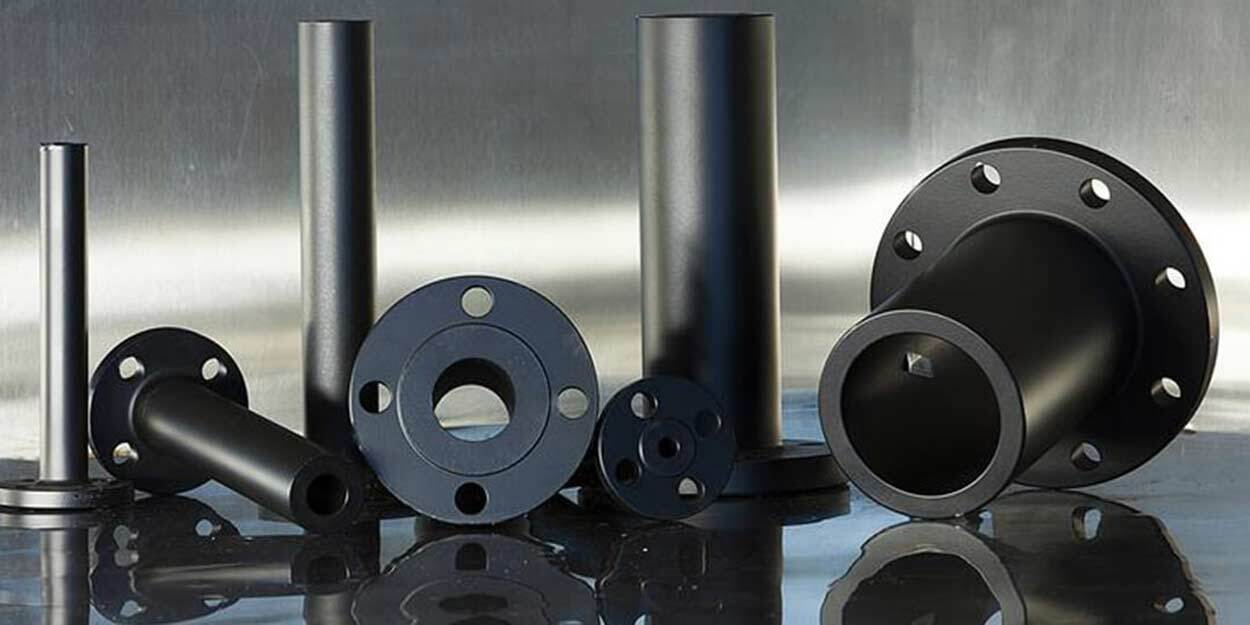
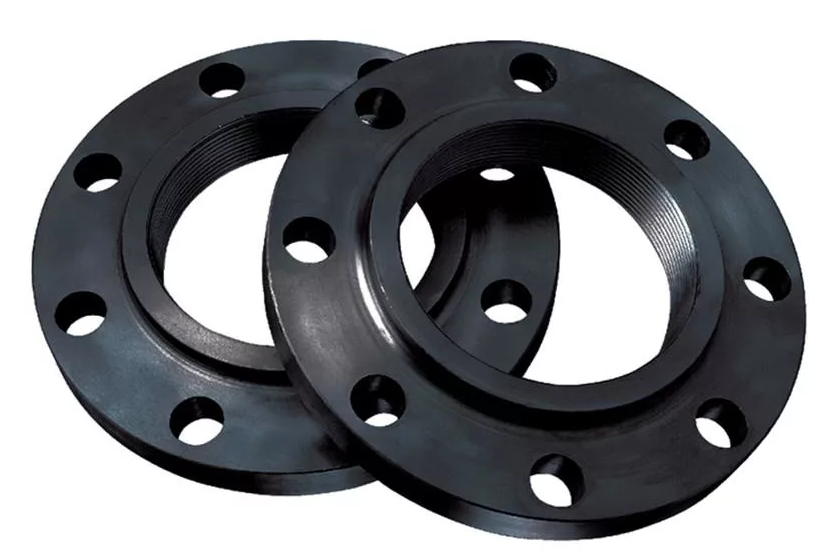
The role of flanges in a heat exchanger is to connect sections securely while preventing leaks. These flanges, manufactured from nickel alloys, can survive the combined challenges of heat, pressure, and corrosive fluids. This makes them a reliable component that ensures the efficiency and safety of the entire system.
Nickel alloy flanges offer a suitable balance of strength, and resistance in applications that demand consistent performance under demanding working conditions. From offshore oil platforms to chemical factories, they ensure that heat exchangers work smoothly and without unexpected shutdowns. As a trusted Nickel Alloy Flanges Supplier, we understand the importance of using the right materials for critical applications. Choosing high-quality flanges made from nickel alloys that are tested can significantly improve the dependability, and durability of your heat exchanger systems.