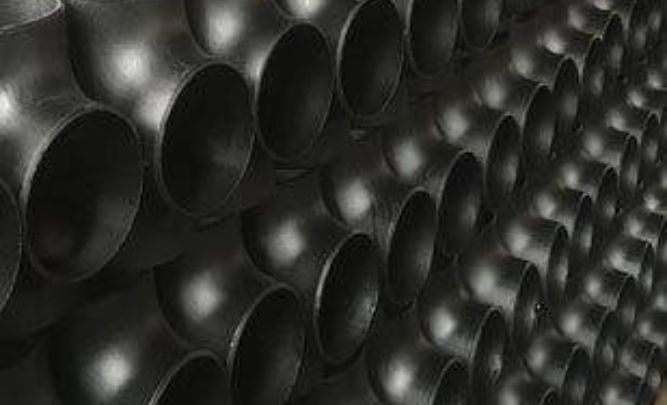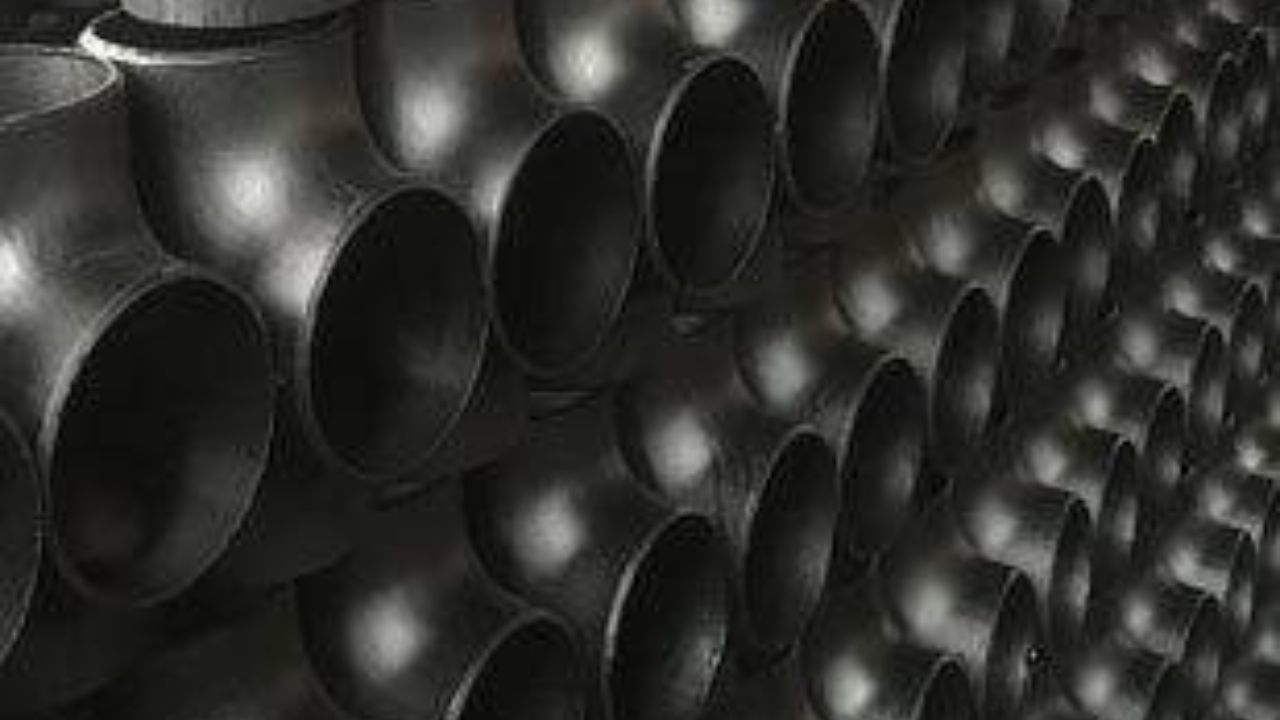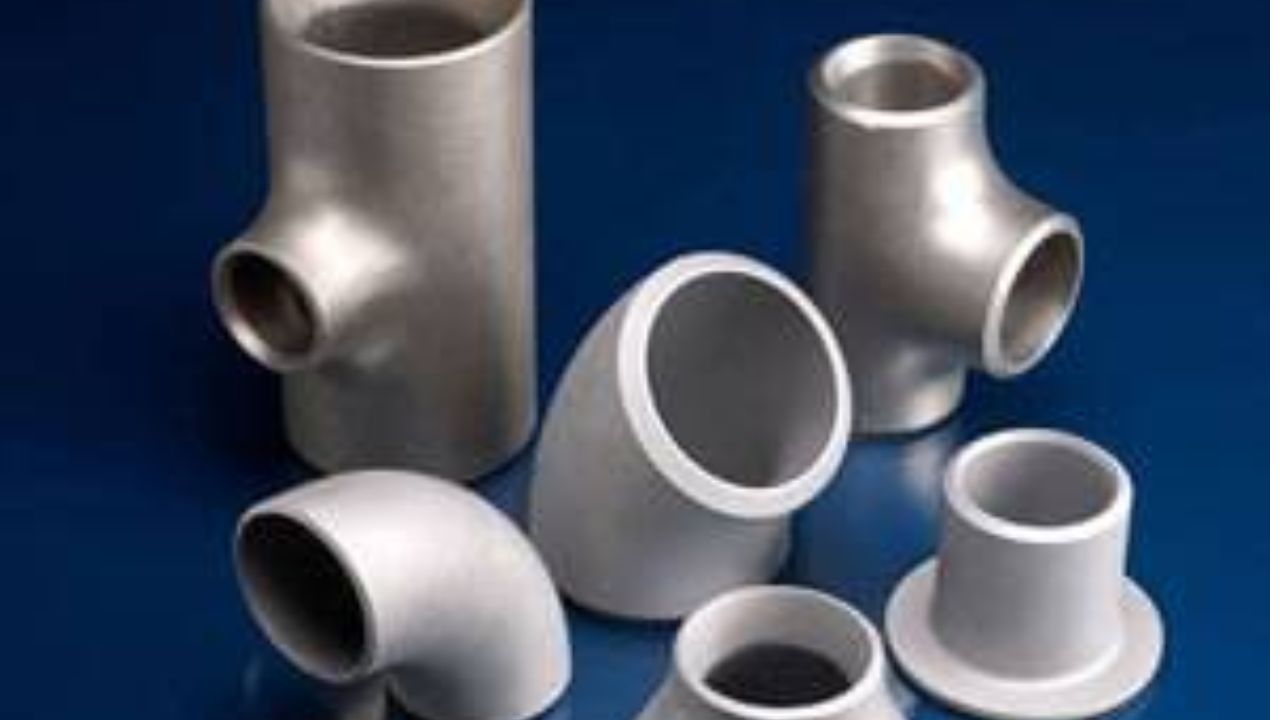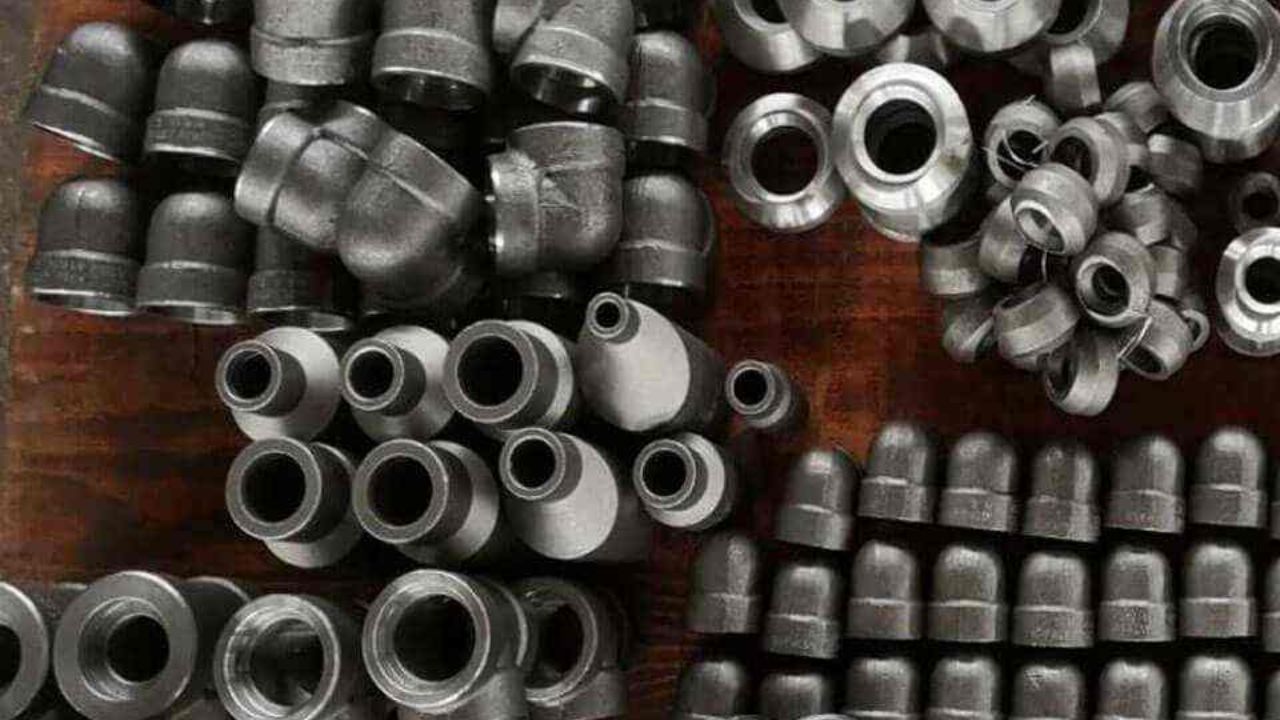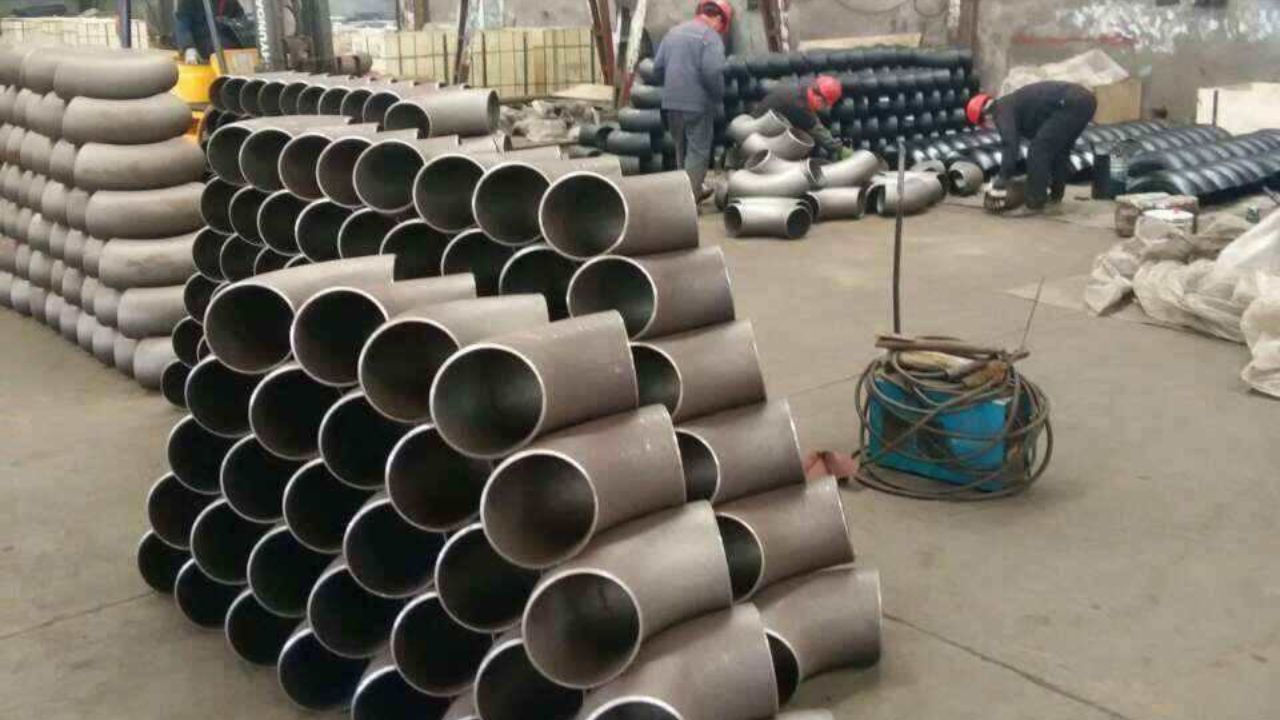

Forged alloy steel fittings are preferred for use in piping systems because they are tough and heat- and pressure-resistant. These fittings are widely used in oil and gas, petrochemicals, power plants, and construction industries, among others. Understanding the manufacturing process of alloy steel forged fittings helps in appreciating their quality and reliability.
Raw Material Selection
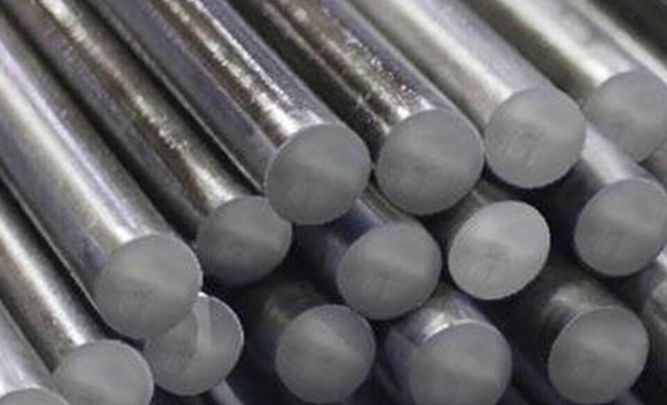
The process starts with choosing high-quality alloy steel. Honed steel often contains certain parts of other metals, such as chromium, molybdenum, and nickel, to support its corrosion, strength, and elasticity. This is because the exact proportion of the alloy is very vital in the overall performance of the final product. The raw material must pass through several tests, which are chemical tests and mechanical tests, to ensure that it is fit for forging.
Heating and Forging
Having chosen the alloy steel, it is heated in a furnace to a high temperature, which is above 1,200 °C. This heating process makes the metal more malleable. The heated metal is then forged using mechanical force, which helps shape the material into the desired fitting form. Forging improves the grain structure of the metal, making it stronger and more resilient. The forging process can be done in several ways: open-die forging, closed-die forging, and press forging, depending on the complexity and size of the fittings.
Machining Process
After forging, the fittings are subjected to machining processes such as turning, drilling, and milling. This step ensures that the alloy steel forged fittings acquire the right size and surface finish. Most of the current CNC (Computer Numerical Control) machines are employed to provide high accuracy and efficiency. Also, the machining process is threading, grooving, and boring, depending on the type of fitting and the application to be made.
Heat Treatment
The heat treatment process plays an important role in the improvement of the mechanical characteristics of the fittings. The forged fittings undergo processes such as normalising, quenching, and tempering. These treatments enhance the grain structure and increase the hardness as well as the strength of the alloy steel pipe fittings to enable them to work under extreme conditions. Normalising entails heating the fittings to a certain temperature and then cooling them with the help of air, which makes the fittings tougher. Quenching rapidly cools the metal in water or oil, increasing hardness, while tempering involves reheating to reduce brittleness and improve ductility.
Surface Treatment and Coating
To prevent corrosion and extend the lifespan of the fittings, surface treatments such as galvanization, pickling, or anti-rust coatings are applied. These treatments offer a shield to the surface that increases the life and efficiency of the material in extreme conditions. Pickling involves using acid solutions to remove surface impurities and oxides, while galvanization adds a layer of zinc to prevent rust. Some fittings also undergo electroplating or epoxy coatings for additional protection in specific applications.
Testing and Quality Inspection
The fittings are tested to the highest standards before they are used in the industry. Common tests include:
- Hydrostatic Testing – Checks for leaks and pressure resistance by filling the fitting with water and applying high pressure.
- Non-Destructive Testing (NDT) – Includes ultrasonic, radiographic, and magnetic particle tests to detect internal and surface defects without damaging the fitting.
- Dimensional Inspection – Confirms the size and other sizes about the specifications by the proper measurement.
- Hardness and Tensile Testing – It measures the ability of the material to withstand forces that may want to deform it.
Final Packaging and Dispatch
After that, the fittings undergo thorough washing, identification, and packaging for shipment depending on the test results. Appropriate packaging protects the alloy steel forged fittings from damage and guarantees the clients receive products that are ready for use. The protective measures include wooden boxes, bubble wrap, and polyethene films to avoid corrosion and mechanical impacts.
Applications of Alloy Steel Forged Fittings
Alloy steel forged fittings are used in various industries, including:
- Oil and Gas Industry – Used in pipelines, refineries, and offshore drilling rigs due to their high strength and corrosion resistance.
- Petrochemical Industry – Necessary for dealing with high-pressure and high-temperature fluid operations.
- Heat Exchangers – Used in steam and nuclear power plants where high heat and pressure conditions are experienced.
- Construction and Engineering – Applied in structural frameworks, bridges, and heavy-duty machinery.
Conclusion
The manufacturing process of alloy steel forged fittings involves multiple critical steps, from raw material selection to final inspection. Every stage is done professionally to ensure that the fittings to be produced are strong, durable, and high-performing. These high-quality fittings are essential for numerous industrial uses to provide secure and efficient fluid and gas transfer in pipe networks. This understanding makes industries select the right alloy steel pipe fittings depending on their needs during the process.