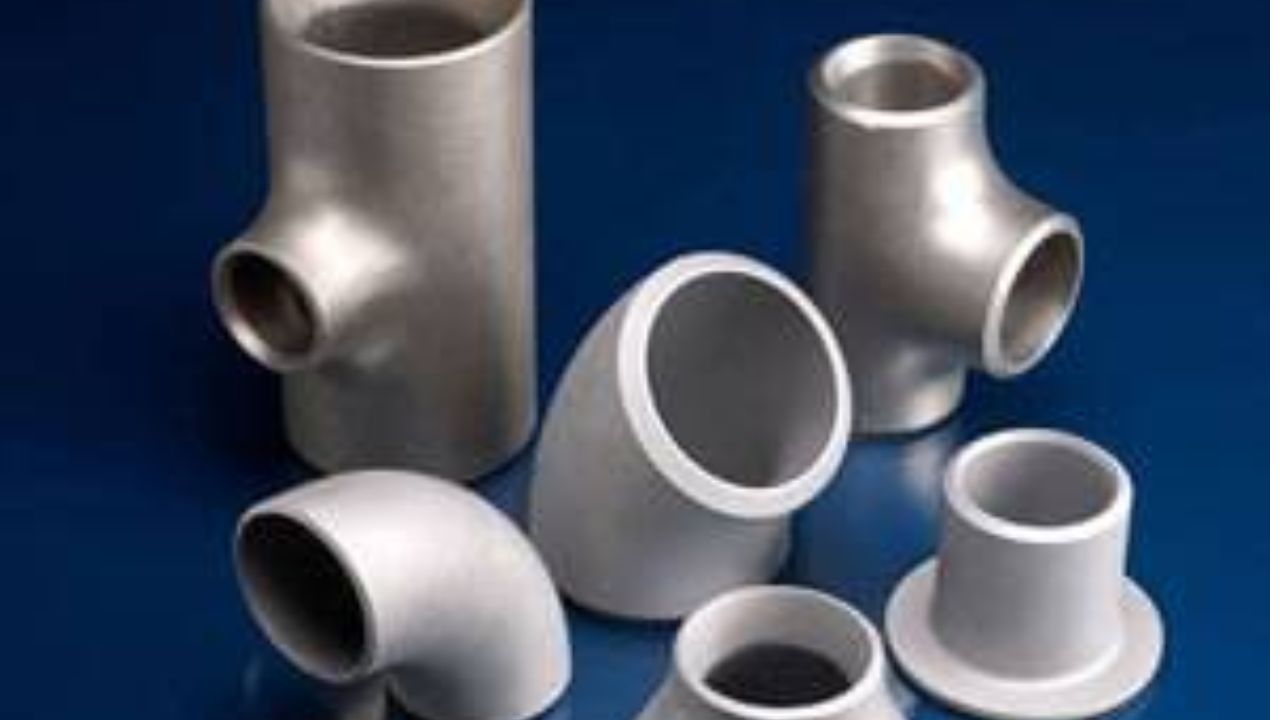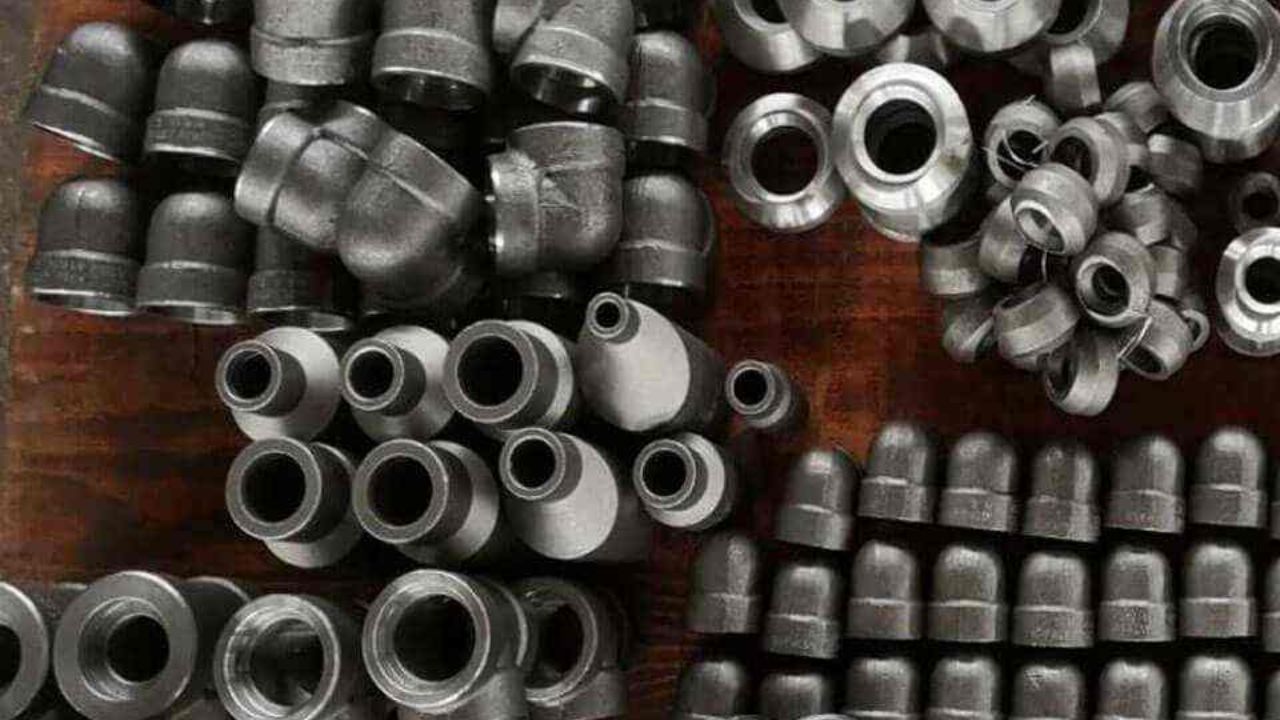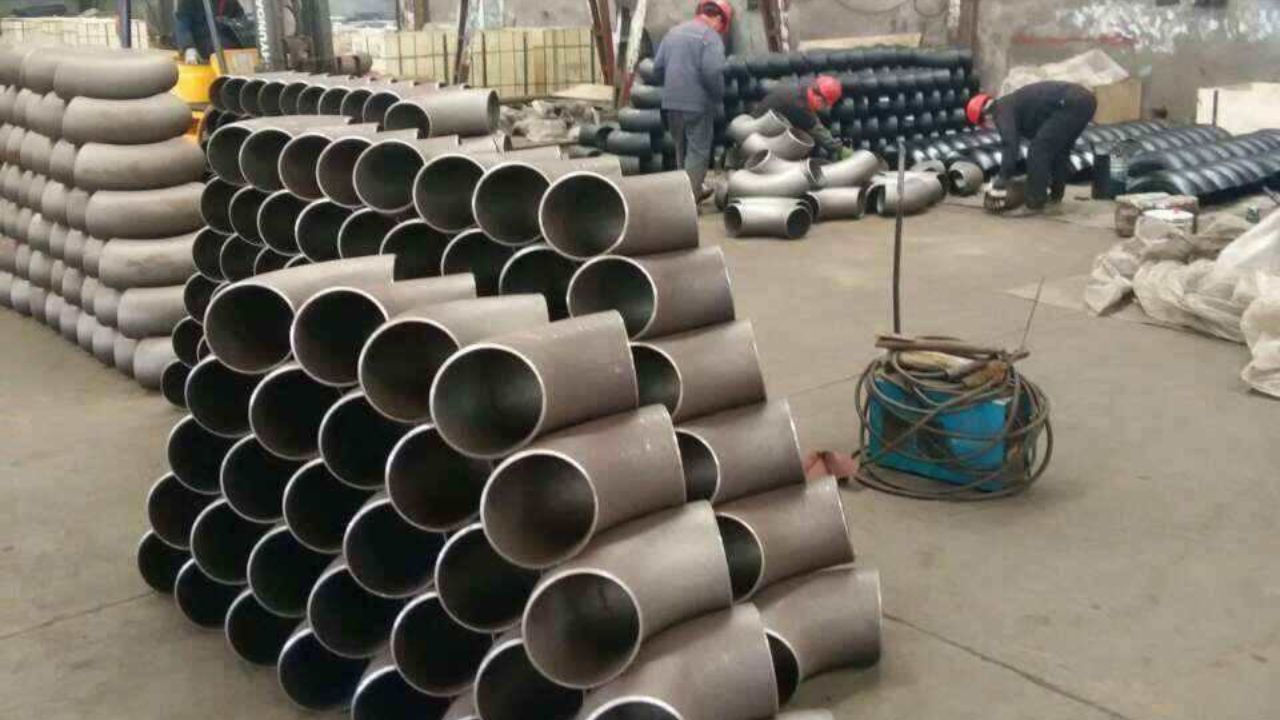

Stainless steel buttweld pipe fittings play a crucial role in piping systems across a range of industries, such as petrochemical, power generation, food processing, and pharmaceuticals. Due to their durability, corrosion resistance, and strength, stainless steel is perfect for high-performance applications. However, to fully leverage these properties, the welding process must be done with precision and care. In this blog, we’ll explore the most effective welding techniques for stainless steel buttweld fittings, common challenges, and best practices to ensure a high-quality weld every time.
Welding Techniques for Stainless Steel Buttweld Pipe Fittings
Here’s a clear look at the main welding techniques used for stainless steel buttweld pipe fittings.
-
TIG Welding (GTAW)
TIG welding, which stands for Tungsten Inert Gas welding, is one of the most popular welding techniques out there. It utilizes a tungsten electrode along with a shielding gas, typically argon, to effectively weld stainless steel.
This method is known for its high precision and the ability to create clean welds, making it a go-to choice when the appearance and detail of the weld are important. It’s also particularly effective for working with thin-wall fittings and smaller pipes.
The process gives control over heat input, which helps avoid warping. It also lowers the chance of oxidation or contamination. This makes TIG welding ideal for industries that need clean and strong welds, like food processing and pharma.
-
MIG Welding (GMAW)
MIG welding uses a wire that melts and forms the weld. Like TIG, it also uses a shielding gas to protect the weld area.
This method is faster than TIG. It works well for thicker stainless steel buttweld fittings and is often used where speed and volume matter more than detail.
MIG welding needs less skill to perform but gives less control than TIG. It can be a good choice for large-scale projects where strong joints are more important than a polished finish.
-
Stick Welding (SMAW)
Stick welding uses a metal rod that acts as both the electrode and the filler. It’s known for being simple and effective in tough environments.
This method does not need a shielding gas. It works well outdoors and in windy areas, where shielding gas might not stay in place.
Stick welding is often used for repair work and field jobs. It is not as clean as TIG or MIG, but it gives solid and durable welds.
-
Orbital Welding
This automated welding method is often used for stainless steel buttweld fittings. It’s common in high-purity settings. It involves a machine that moves the electrode in a circle around the pipe.
Orbital welding gives consistent and repeatable welds. It’s widely used in industries where hygiene and precision matter, like semiconductors and dairy plants.
The setup cost is high, but it reduces errors and speeds up production. It also cuts down on rework and inspection time.
-
Flux-Cored Arc Welding (FCAW)
This is similar to MIG welding but uses a special wire with flux at its core. This helps protect the weld pool, even in outdoor conditions.
FCAW is suited for heavy-duty work. It handles thick stainless steel fittings well and gives deep weld penetration.
This method is fast and works well in rough conditions. But it can produce more smoke and spatter compared to other methods.
Welding Prep for Stainless Steel Buttweld Fittings
Before welding, proper prep helps avoid joint failure and surface damage. Here are some steps most stainless steel buttweld manufacturers follow:
- Clean the surface: Remove oil, dirt, and rust. Even small particles can affect weld quality.
- Match the filler metal: Use filler rods or wires that match the base metal to prevent cracking and corrosion.
- Fit-up is key: Make sure the fittings line up perfectly before welding. Poor alignment leads to weak joints.
- Shield from the air: Use inert gas to protect the weld area from oxygen. This avoids oxidation and colour changes.
Post-Weld Treatment
- After welding, stainless steel can lose its corrosion resistance. Post-weld cleaning brings back that protective layer.
- Pickling and passivation remove heat tint and restore the chromium oxide layer.
- Mechanical cleaning, like brushing or grinding, removes slag and smooths the weld area.
- This step is important for industries that demand clean surfaces and strong joints.
Common Problems and How to Avoid Them
Welding stainless steel buttweld pipe fittings can come with a few challenges. Here are some of the common ones:
- Cracking: Can be caused by poor filler choice or too much heat. Always use matching filler and control the heat.
- Warping: Happens when the metal heats up too fast. Use clamps or jigs to hold parts in place.
- Corrosion after welding: This comes from exposure to air during welding or dirty surfaces. Always clean before and after welding.
Final Thoughts
Choosing the right welding method depends on the pipe size, application, and industry standards. TIG welding gives the cleanest result, while MIG and FCAW are good for thicker pipes. Orbital welding is best for high-purity work, and stick welding works well outdoors or in repairs. Most stainless steel buttweld makers suggest TIG or orbital welding. This is best for small and precise fittings. For heavier work, MIG or FCAW is better.
No matter the method, stainless steel buttweld fittings need proper handling, cleaning and welding to last long and work well. With the right technique and care, these fittings give safe and strong connections in any system.
By using tested welding practices and following correct prep and post-weld steps, installers and engineers can make sure the fittings do their job right from day one and for years to come.