
Carbon steel is a popular material used to manufacture various pipeline fittings. One of the most commonly used types of carbon steel fittings is the buttweld pipe fitting. Carbon steel buttweld pipe fittings are indispensable components for effective and efficient installations of pipelines in various industries.
They allow for easy flow regulation, ensure structural integrity, and help prevent pipeline leaks. If you are in the buttweld pipe fittings market, this comprehensive guide will give you everything you need to know before purchasing.
What are Carbon Steel Buttweld Pipe Fittings?
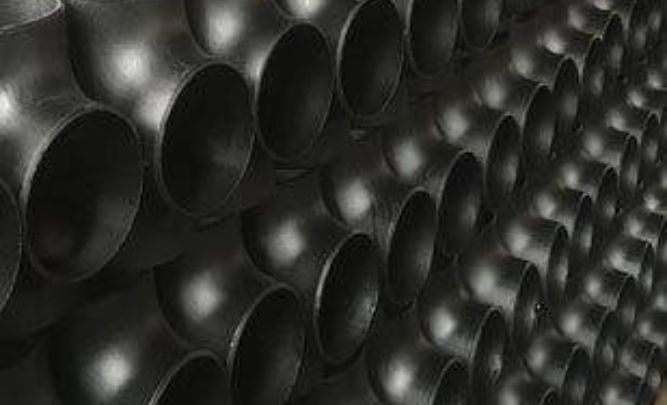
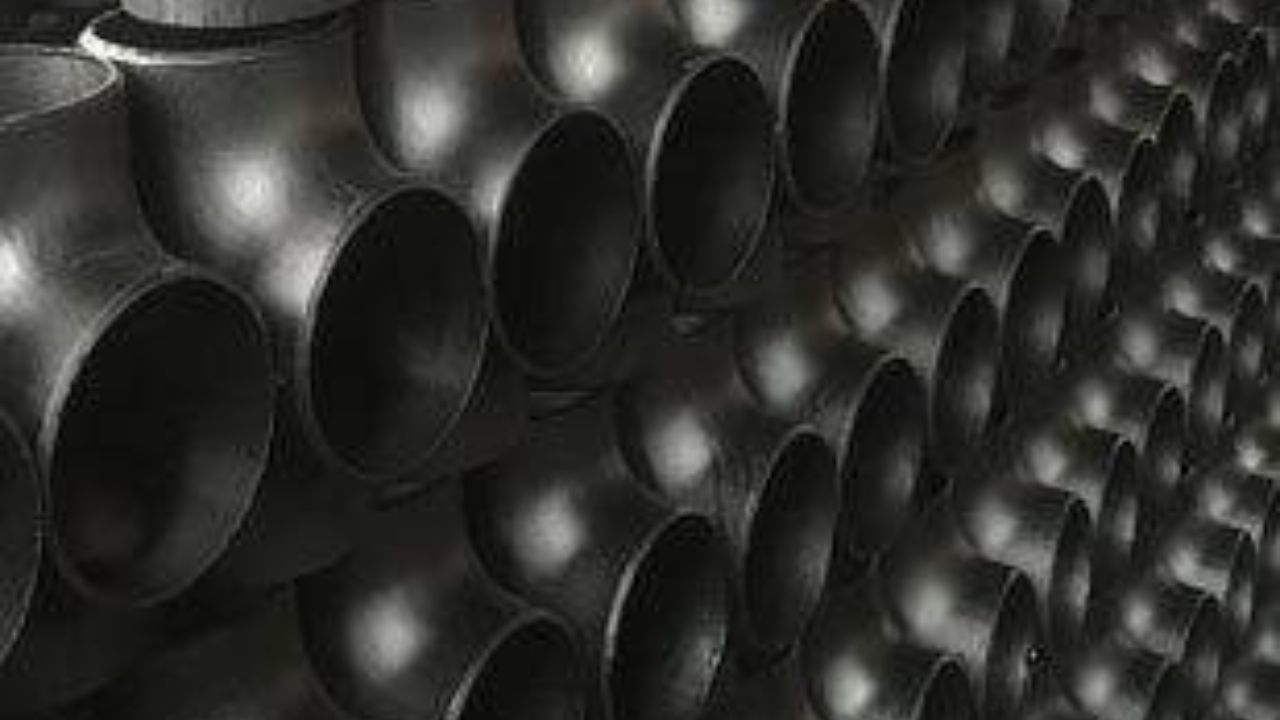
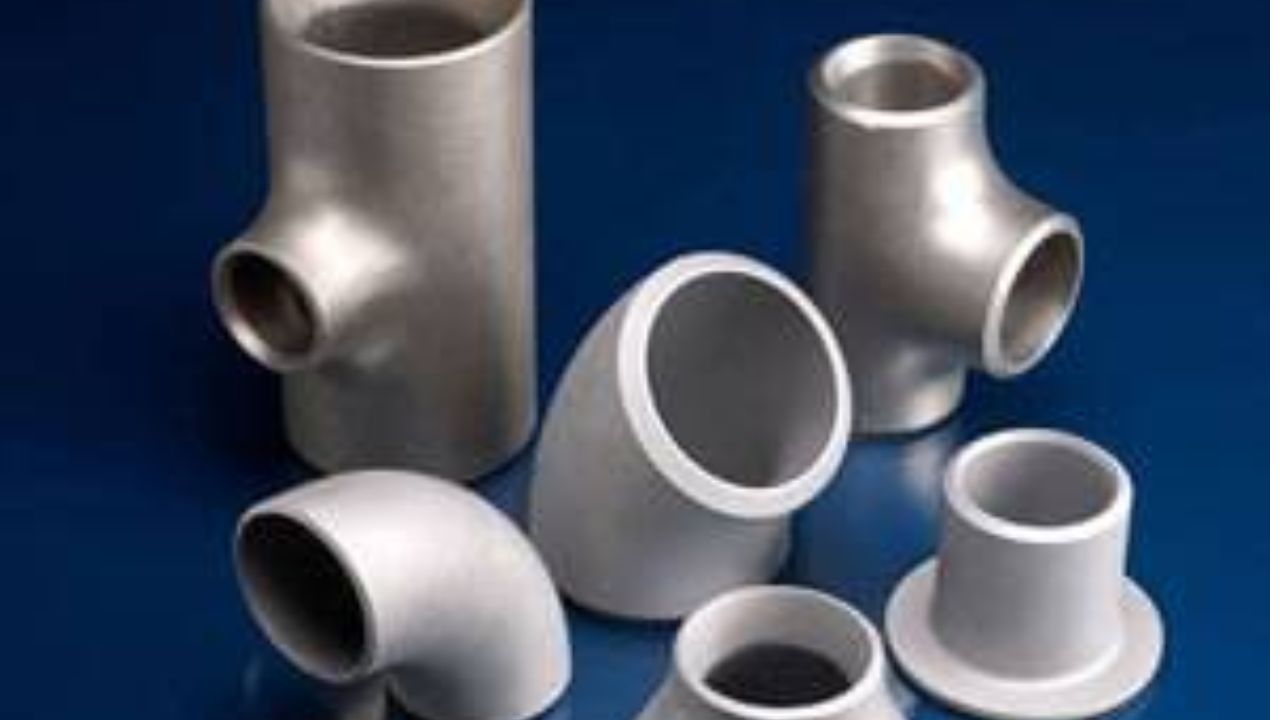
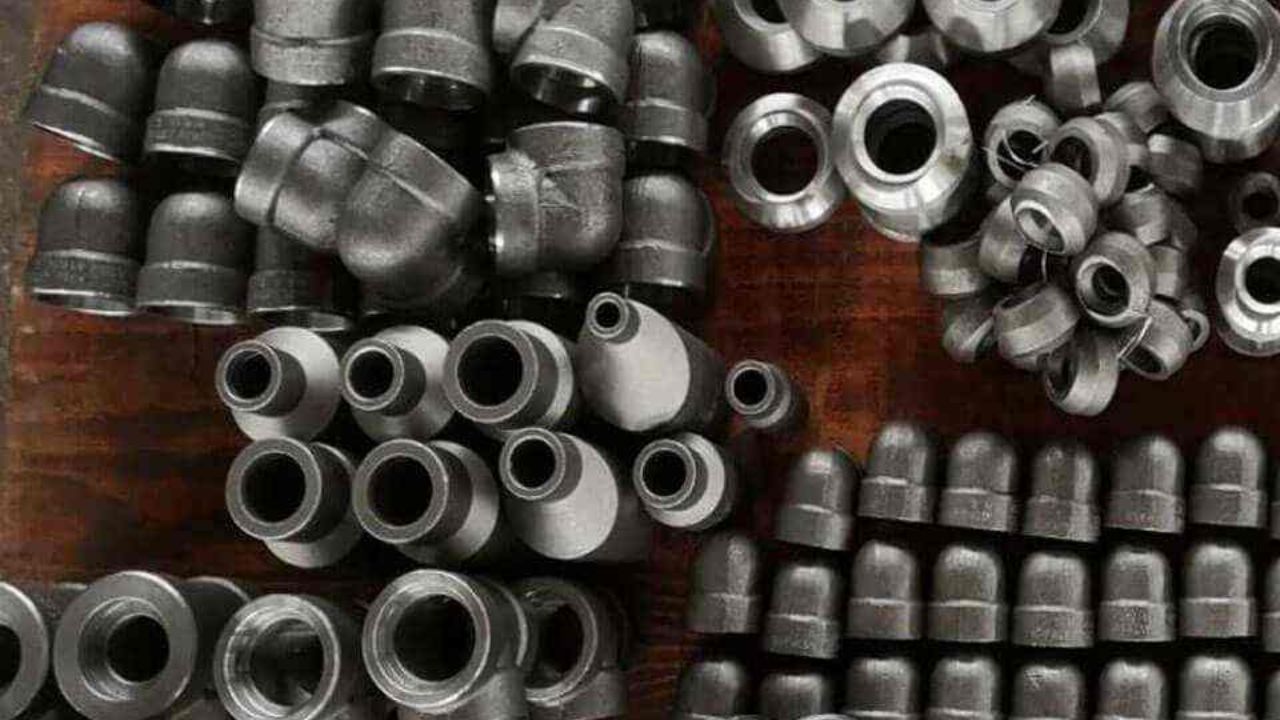
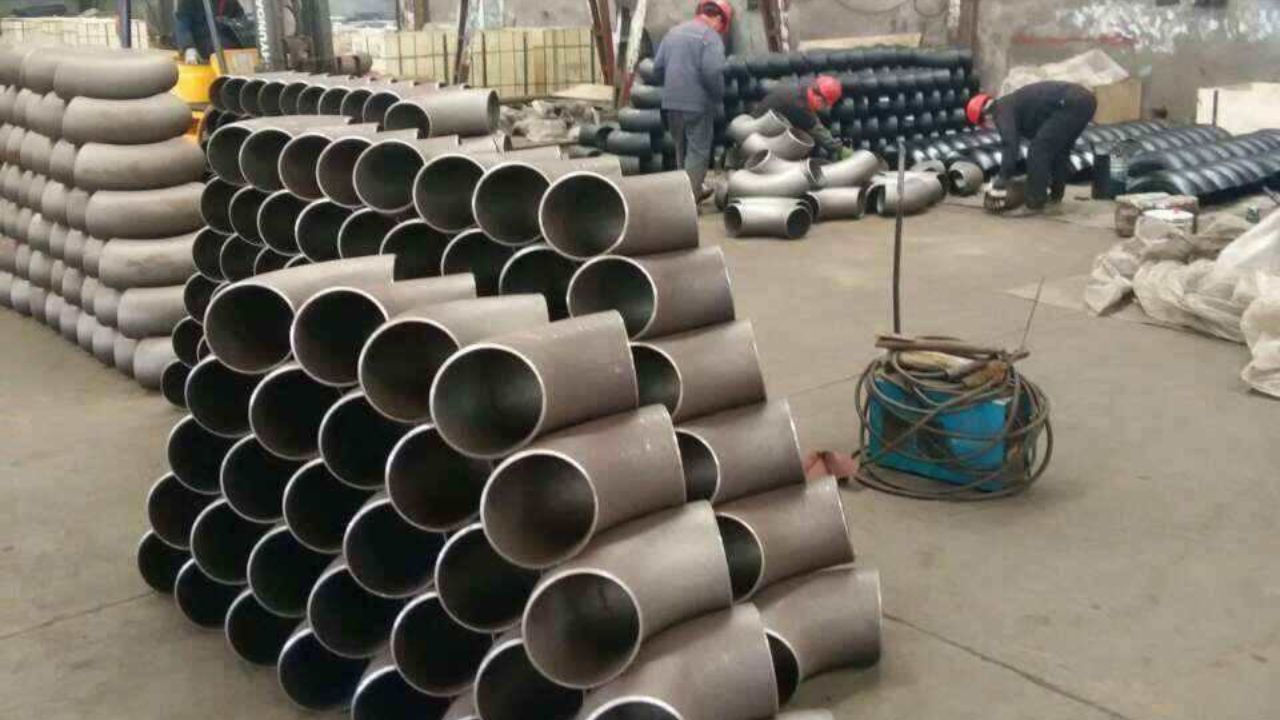
Carbon steel buttweld pipe fittings are components designed to be welded to the end of pipes. They connect pipes, change the flow direction, or regulate the flow of liquids and gases through the pipeline. They are available in various shapes and sizes, from elbows to tees, reducers, crosses, and couplings. CS buttweld pipe fittings are made of high-quality steel, which is highly durable and corrosion-resistant, making them suitable for use in various industries.
Types of CS Buttweld Pipe Fittings
These pipe fittings are available in different types and sizes to suit various industrial applications. The most commonly used types include elbows, tees, reducers, crosses, caps, and stub ends. Elbows change the direction of the pipeline, while tees allow for the splitting of pipelines into two or three directions. Reducers and crosses, on the other hand, help to reduce the size of the pipes or join pipes of different diameters. Caps are used to close the end of the pipeline, while stub ends to connect pipes to fittings or other flanges.
Benefits
These pipe fittings offer numerous benefits that make them popular in various industries. For starters, they provide leak-proof connections that help to prevent the loss of fluids or gas through the joints. They also provide structural integrity to the pipeline, which is essential for safe and efficient operations. CS buttweld pipe fittings are also easy to install, maintain, and replace when necessary, making them highly convenient for use in various industrial setups.
Factors to Consider When Selecting Carbon Steel Buttweld Pipe Fittings
When selecting steel buttweld pipe fittings, there are several factors that you need to consider to ensure that you get the right fit for your pipeline system. Some factors include the fittings’ size, shape, material, and pressure rating. You also need to consider the type of fluid or gas flowing through the pipeline and the temperature and pressure conditions the fittings will be subjected to. Overall, consulting with a qualified engineer or supplier is essential to help you make the right choice.
Maintenance Tips for CS Buttweld Pipe Fittings
It is important to carry out regular maintenance checks to ensure the optimal performance of your CS buttweld pipe fittings. This includes regular inspections for leaks, clogs, and other signs of damage. You should also clean the fittings regularly and lubricate moving parts to prevent corrosion and wear. Additionally, promptly replacing any damaged components is important to avoid compromising the safety and efficiency of your pipeline system.
Conclusion:
Carbon steel buttweld pipe fittings play a crucial role in ensuring an effective and efficient flow of liquids and gases through pipelines. Manufacturers produce them in various shapes and sizes using high-quality carbon steel, renowned for its durability and corrosion resistance. When choosing carbon steel pipe fittings, it is important to consider factors such as size, shape, material, and pressure rating. By properly installing, maintaining, and replacing them when needed, you can ensure the safety and efficiency of your pipeline system for many years.