
Pipe joints play a crucial role in ensuring the integrity and efficiency of industrial piping systems. Carbon Steel Buttweld Fittings are key to these joints’ reliability and strength. These fittings provide a secure and leak-free connection between pipes, offering numerous benefits in durability, flexibility, and cost-effectiveness. This blog will explore the importance of buttweld fittings and how they safeguard pipe joints.
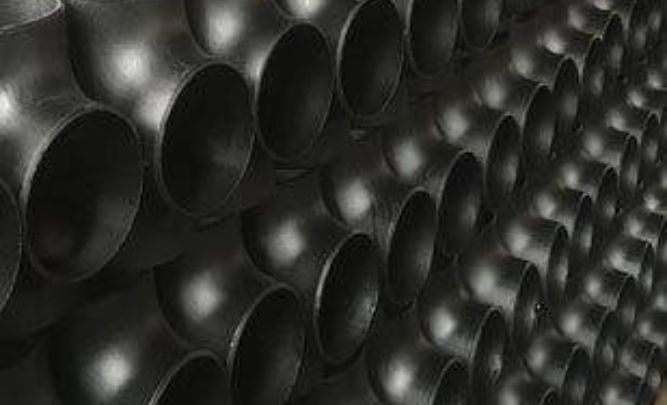
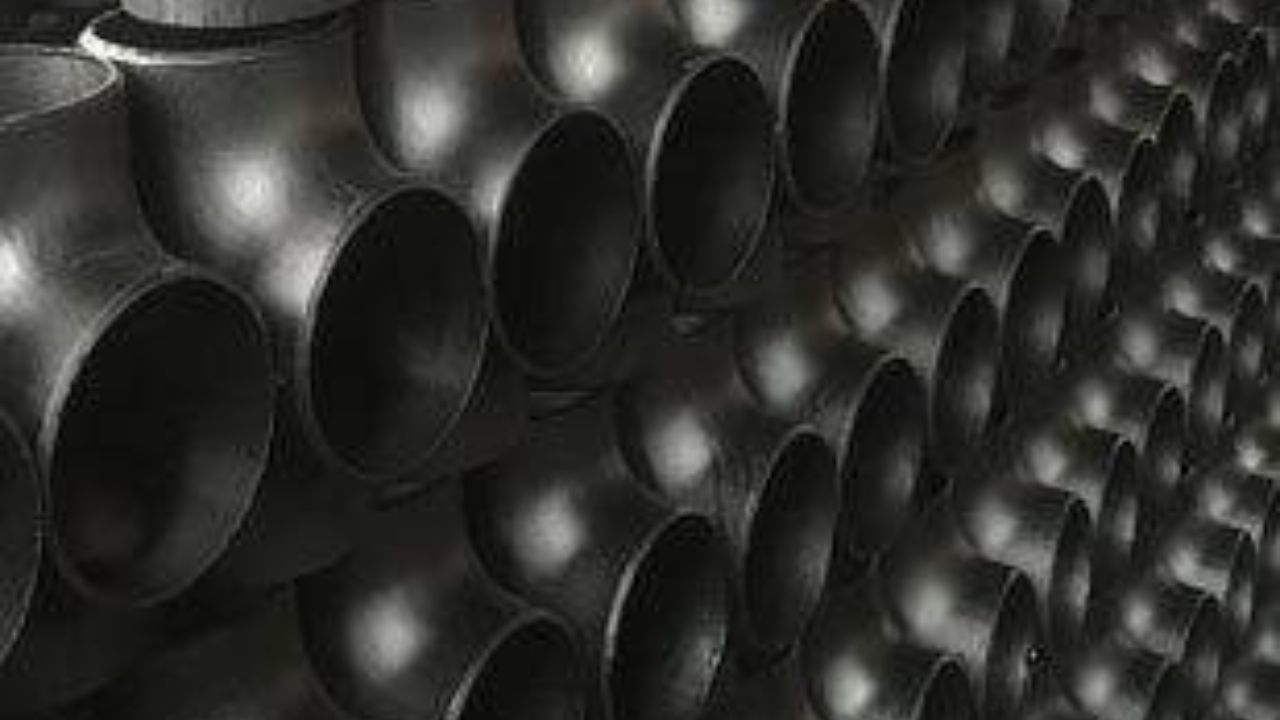
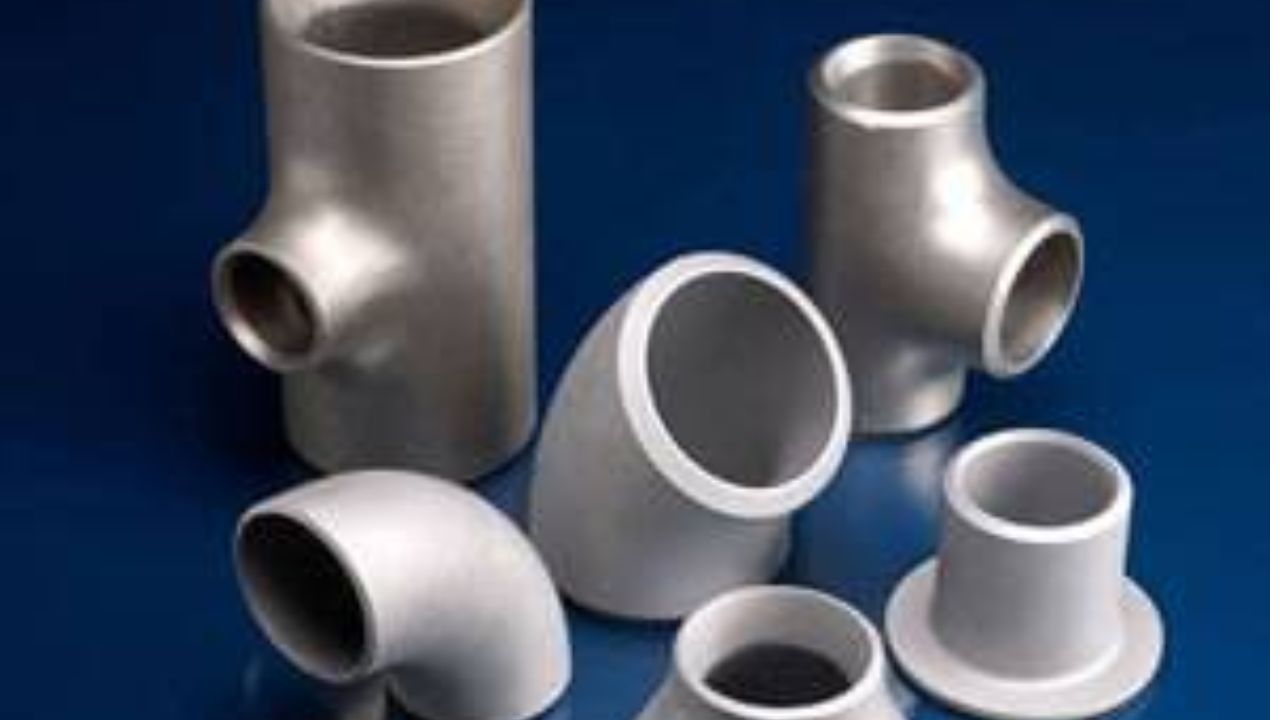
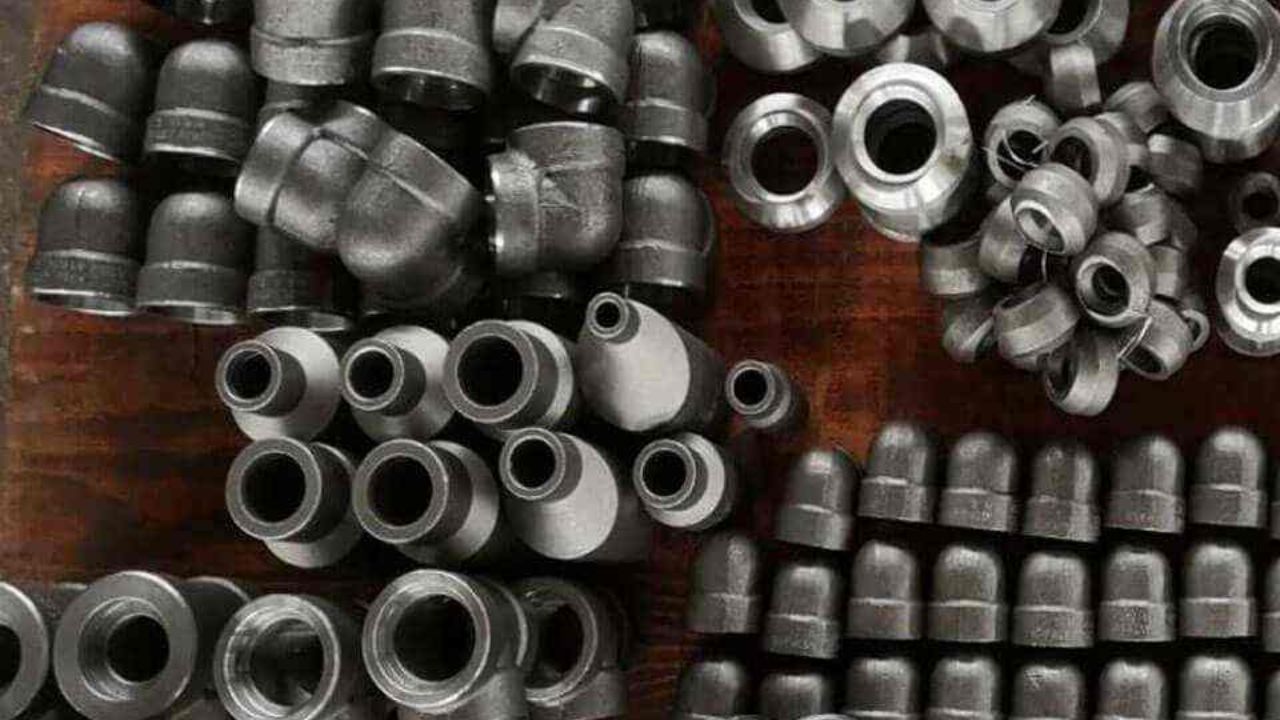
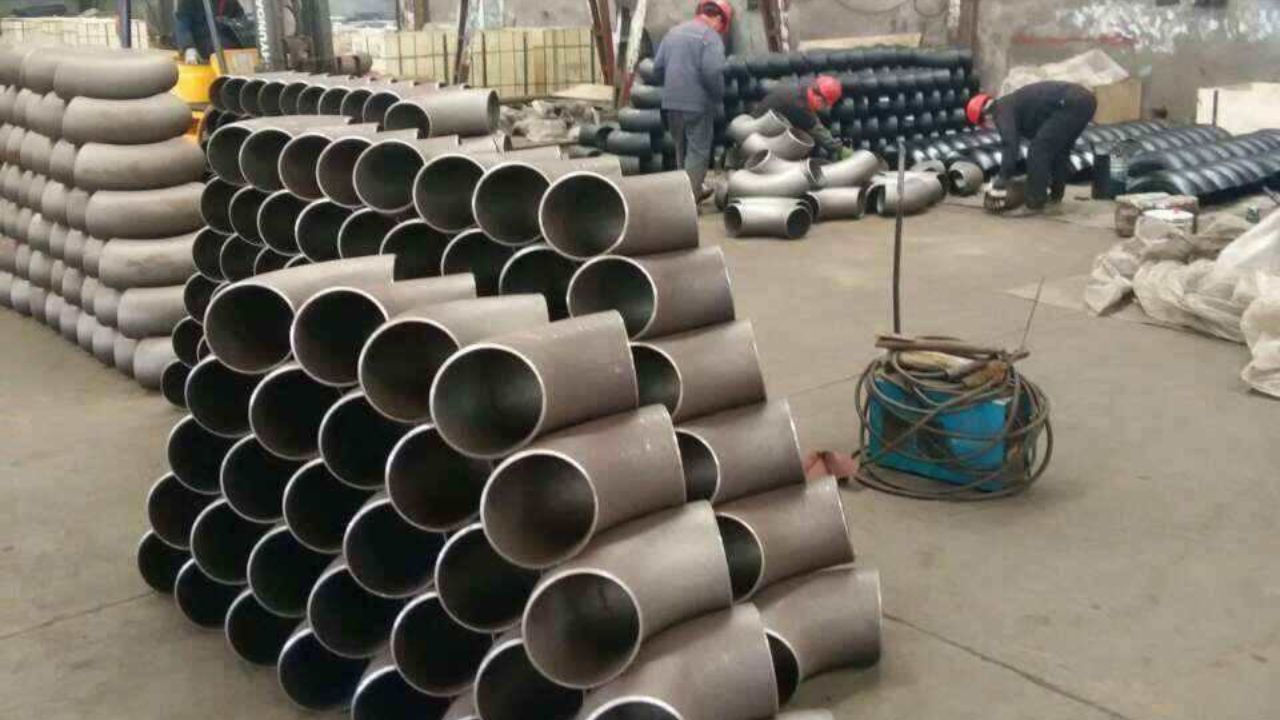
These buttweld fittings are designed to connect two pipes of the same diameter. These fixtures come in various sizes and styles, including elbows, tees, reducers and caps. They are made by butt-welding the pipe to the fitting. This makes the weld strong, resistant to bending, and capable of supporting high-pressure loads.
To guarantee the integrity and safety of pipelines, selecting the right carbon steel buttweld fitting based on the system requirements is important. Lest choosing the right fitting thickness is important to withstand the pressure if the system is under high pressure.
Safeguarding & Selecting Carbon Steel Buttweld Fittings
Different grades of carbon steel exist, with varying degrees of strength that one should consider before selecting the fitting. When selecting the appropriate carbon steel buttweld fitting, it is important to safeguard it properly. Careful installation and adherence to the manufacturer’s instructions are crucial. To avoid potential issues, inspecting and testing the fitting before installation is imperative.
One of the most critical aspects of safeguarding Carbon Steel Buttweld Fittings is carefully monitoring the pipeline’s condition. Regular pipeline inspections can help identify potential issues before they become bigger problems. This is especially important for pipelines carrying hazardous materials, which can cause major safety concerns if a leak occurs.
Not least important is the need to speak with experts in pipeline engineering and design to ensure the safety and integrity of pipelines. These experts can provide valuable insight into properly selecting, installing, and safeguarding buttweld fittings to prevent potential risks.
Advantages of Carbon Steel Buttweld Fittings:
-
Strength and Durability:
- Carbon steel buttweld fittings provide superior strength and resistance to mechanical stress.
- Henceforth the robustness of carbon steel joints exhibits longevity and reliability.
2. Leak-Free Connections:
- The seamless design of buttweld fittings and its impact on preventing leaks.
- Welding techniques and procedures for achieving tight and secure joints.
3. Flexibility and Versatility:
- CS buttweld fittings’ adaptability to different pipe sizes and configurations.
- Compatibility with various industrial applications and environments.
4. Cost-Effectiveness:
- Exploring the economic benefits of these buttweld fittings.
- Long-term savings through reduced maintenance and replacement costs.
Applications of Carbon Steel Buttweld Fittings
- Industries and sectors that benefit from using CS buttweld fittings include, for example, oil and gas, chemical, power generation, and construction.
- Specific applications and scenarios where these fittings excel.
- Real-world examples and success stories.
Carbon steel buttweld fittings are vital in safeguarding pipe joints, ensuring the structural integrity and leak-free operation of industrial piping systems. Their strength, durability, and cost-effectiveness make them a preferred choice for various applications. However, Industries can ensure reliable and efficient pipe joints by understanding the fundamentals of these fittings and diligently following best practices during installation and maintenance. As a result, this leads to enhanced operational performance and reduced downtime.