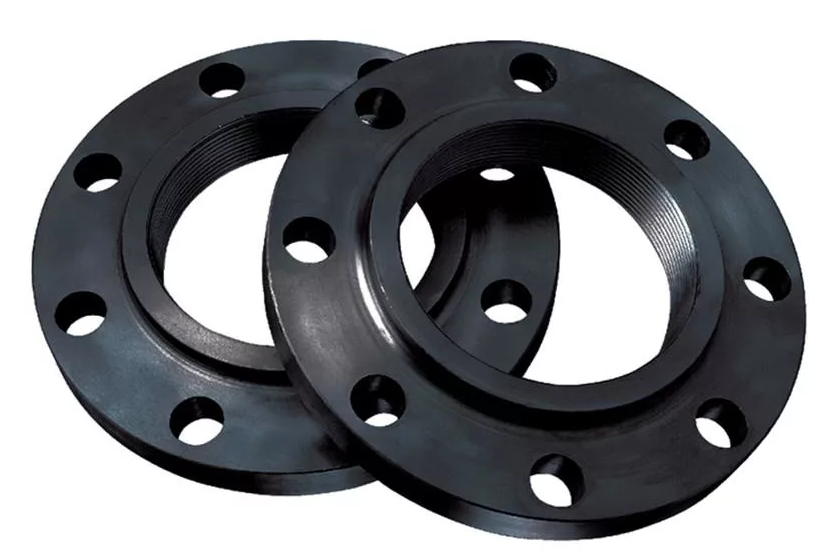
In the chemical industry, where operations frequently involve high pressure, intense temperatures, and corrosive compounds, the selection of materials for piping systems is crucial. The flange is a crucial part of these systems because it joins pipes, valves, pumps, and other equipment, facilitating easy maintenance and seamless operation. Among the different types of flange materials available, carbon steel flanges have gained significant popularity due to their strength, durability, and cost-effectiveness.
Let’s explore why carbon steel flanges are considered a smart choice for the chemical industry, along with their features, benefits, and applications.
Uses of Carbon Steel Flanges in the Chemical Industry:
- Process Piping Systems
Carbon steel flanges are used in process pipelines in chemical plants. They help connect pipes securely and can handle aggressive media like acids, alkalis, and solvents when coated or lined. Their strong structure ensures a long service life even under constant pressure and temperature fluctuations.
- Storage Tank Connections
Flanges made from carbon steel are often used to connect pipes to chemical storage tanks. They allow the safe transfer of raw materials and finished products between tanks and process units. Their strength ensures they can hold up under heavy loads and constant flow.
- Heat Exchanger Assemblies
In chemical processing, heat exchangers transfer heat between fluids. Carbon steel flanges provide the necessary sealing and connection points for these units. Their ability to withstand high thermal stress makes them reliable for both hot and cold fluid systems.
- Pump and Valve Connections
In chemical plants, pumps and valves are essential for managing flow. Flanges made of carbon steel offer a safe connection, that makes it simple to remove for maintenance or inspection. They maintain tight sealing even in high-pressure applications.
- High-Pressure Reactors
Certain chemical processes require reactors that operate under high pressure. Carbon steel flanges can be used in these systems because they can handle both mechanical stress and pressure without deformation. When paired with the right gaskets, they prevent leaks that could cause safety hazards.
- Cooling Water Systems
Carbon steel flanges for cooling water lines perform well in large industrial plants. While the water is not particularly corrosive, the flanges must still resist frequent exposure and flow. Protective coatings can help to extend the life of these systems.
- Steam Lines
Steam is used in many chemical processes for heating and cleaning. Carbon steel flanges in steam lines can tolerate high temperatures and pressure without losing their shape or sealing capabilities. Their mechanical strength makes them ideal for long-term service.
- Chemical Feed Lines
Carbon steel flanges can be used in feed lines that transport raw chemicals into production systems. In such cases, a surface treatment or liner may be used to prevent corrosion from severe chemicals. This allows them to keep their strength, while resisting chemical attack.
- Pressure Vessel Connections
Pressure vessels used to store or process chemicals require strong, dependable connections. Carbon steel flanges give the required security, and allow for easy disassembly for cleaning, inspection or repair without damaging the vessel.
- Fire Protection Systems
Some areas of chemical plants have fire suppression systems. Carbon steel flanges in these systems withstand high water pressure during emergencies, and provide leak-proof connections for dependable performance when it matters most.
Why Carbon Steel Flanges Are a Smart Choice
Carbon steel flanges are known for their great tensile strength. This means they can withstand high loads and resist bending under pressure. They are also cost-effective compared to other materials like stainless steel or exotic alloys. This makes them a preferred option, when performance and budget both matter. They are easy to machine and fabricate, allowing manufacturers to create flanges in many sizes and pressure ratings. Due to their adaptability, they can be used in a variety of chemical plant designs and applications.
Carbon steel flanges can also be coated or lined with protective materials. This improves their resistance to corrosion and extends service life in chemical environments. Options like epoxy coating, galvanizing, or internal lining are often used in the chemical industry. When it comes to safety, carbon steel flanges provide strong sealing when paired with the right gasket. This reduces the risk of leaks that could harm workers, damage equipment or cause product loss.
Many chemical facilities select them because they are widely available. Sourcing from a reputable Carbon Steel Flanges manufacturer, ensures that the flanges fulfill industry standards and can work dependably under extreme situations.
Maintenance and Longevity
Regular inspection and maintenance help extend the life of carbon steel flanges in chemical service. Checking for corrosion, pitting, or gasket wear is important. Replacing gaskets during scheduled shutdowns can prevent leaks.
In some systems, protective coatings or sacrificial anodes can help to slow down corrosion even more. Proper installation, using the right torque on bolts, also ensures that flanges maintain a tight seal over time.
Final Thoughts
Carbon steel flanges are a practical, strong, and cost-friendly choice for the chemical industry. Their capacity to handle pressure, temperature and mechanical stress makes them appropriate for many important applications. With the correct coating or liner, they can also withstand corrosion in handle chemical conditions. Their easy availability and versatility, ensures that they will continue to play an important role in chemical processing plants.