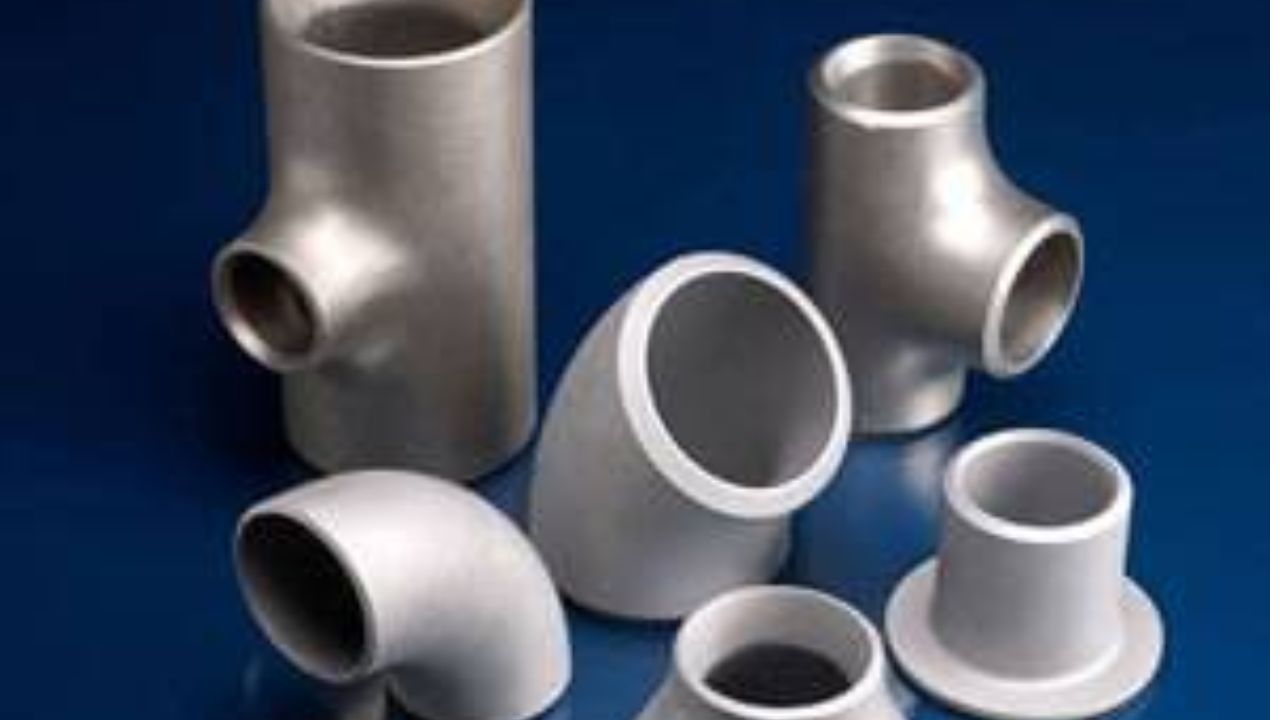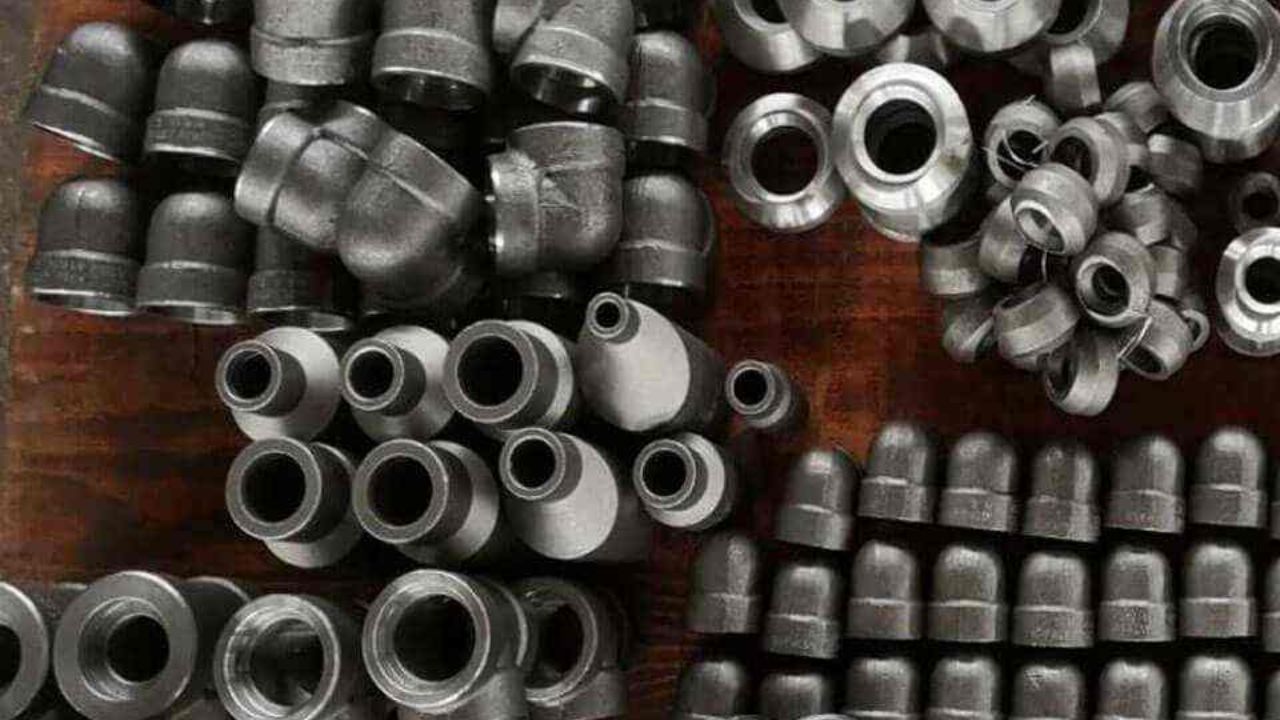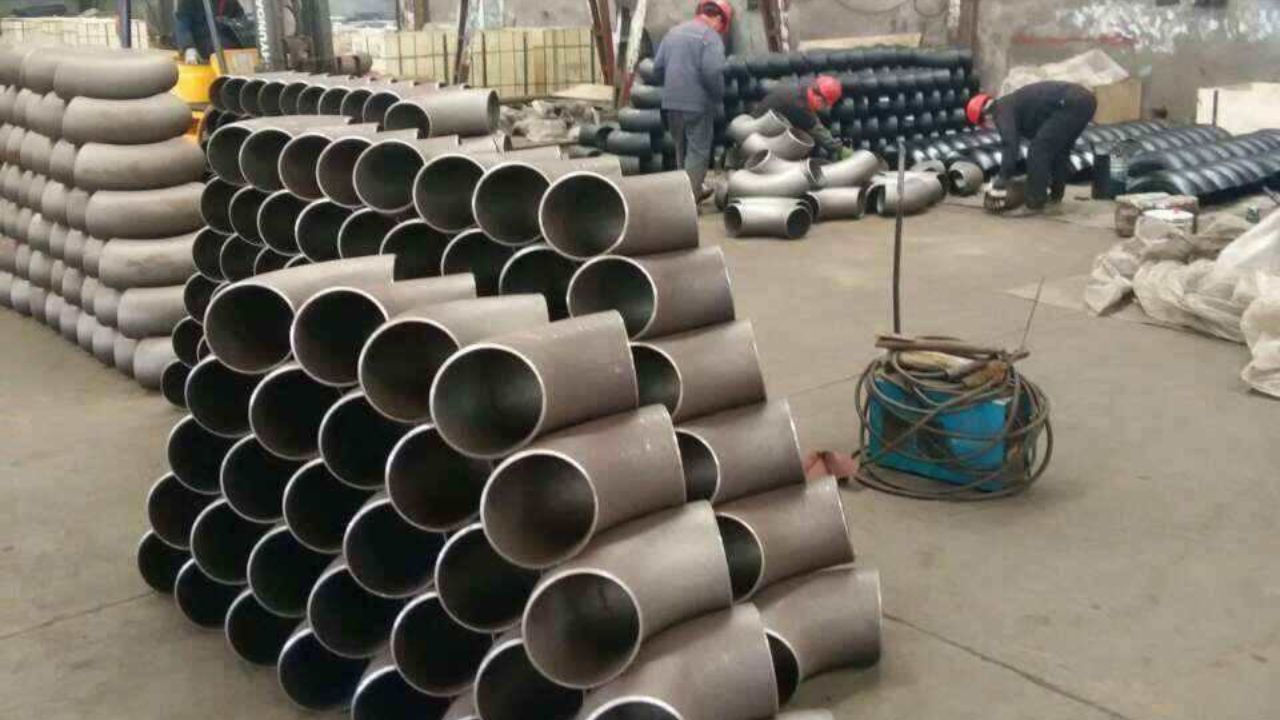
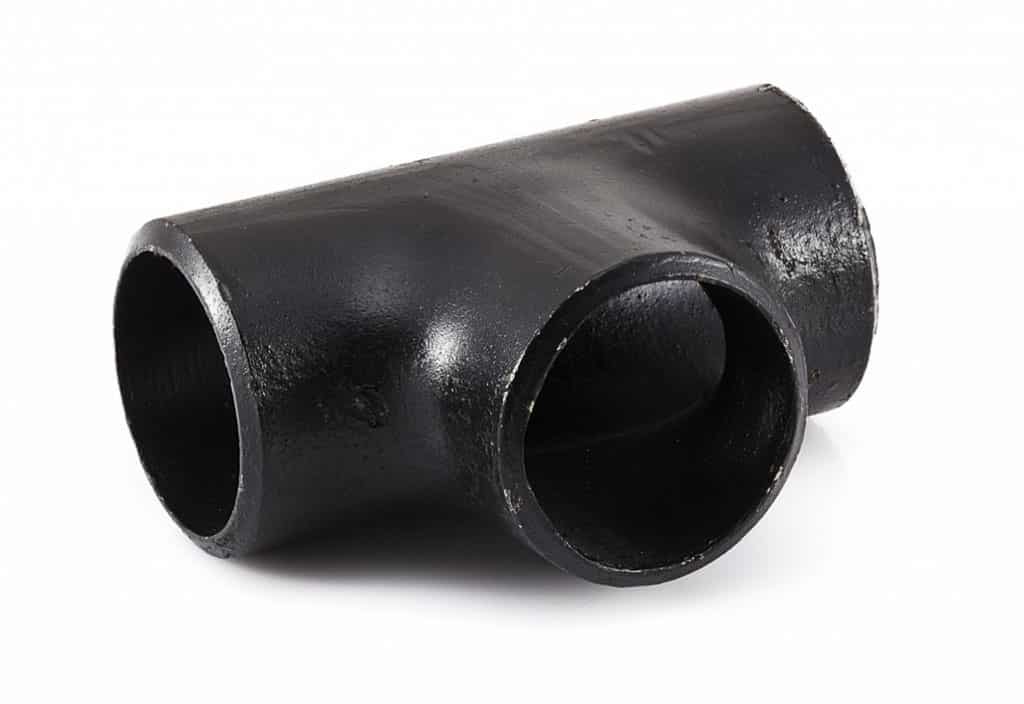
Choosing the right materials is crucial for ensuring durability and performance when constructing piping systems. Carbon steel butt weld pipe fittings are a popular choice due to their strength, flexibility, and resistance to high pressures. However, with so many manufacturers and types of carbon steel pipe fittings available, how can you choose the right one for your project? Here are some factors that should be taken into consideration
Understand Your Project Requirements
Before diving into the selection process, it’s essential to assess the specific requirements of your project. Consider the following aspects:
- Operating Temperature: What temperatures will the piping system be exposed to? Different grades of carbon steel can withstand varying temperature ranges.
- Pressure Ratings: Determine the pressure requirements for your system. Butt weld pipes are rated for different pressure levels, so ensure you choose fittings that can handle your project’s demands.
Choose the Right Grade of Carbon Steel
Carbon steel comes in various grades, each with unique properties. The most commonly used grades for butt weld pipes are:
- ASTM A106: It is suited for high-temperature applications and has reasonable weldability.
- ASTM A53: It is suitable for low-pressure applications and widely used in construction.
Choose an acceptable grade according to the project’s needs and complies with the industry standard.
Consider the Size and Dimensions
Another important factor is the size of the carbon steel pipe fittings. Butt weld pipes are available in different sizes of diameter and thickness. Select dimensions that are suitable for your system’s layout and will enable the right flow rates. Bear in mind that, for high production rates, larger diameters may be required.
Welding Method and Compatibility
When using carbon steel butt weld pipe fittings, the welding method can significantly affect the overall performance. Common welding methods include:
- TIG (Tungsten Inert Gas): Provides high-quality, precise welds.
- MIG (Metal Inert Gas): Suitable for faster production with good penetration.
Ensure that your fittings are compatible with your preferred welding method to achieve optimal results.
Check for Certifications and Standards
Always verify that the carbon steel pipe fittings meet industry standards and certifications. Look for markings that indicate compliance with specifications like ASME, ASTM, or API. This ensures that you buy quality products suitable for your application in the market.
Evaluate Supplier Reputation
Finally, consider your supplier’s reputation. Choose a supplier known for high-quality carbon steel pipe fittings and excellent customer service. Reading reviews and asking for recommendations can help you find a reliable source.
Conclusion
Selecting the appropriate carbon steel butt weld pipe fittings for your project should not be a difficult task. This paper has shown how to make informed decisions by identifying your project requirements, choosing the correct grade, and thinking about the size welding methods and quality certifications in order to achieve a successful piping system. It is also important to pay attention to quality and compatibility to get the best results for the installation and avoid future problems.