Introduction
Monel flanges are essential in industries requiring high corrosion resistance, strength, and durability. Monel alloys are used to create these flanges, which are designed to withstand harsh environments, making them ideal for marine, chemical, and oil and gas applications. In this guide, we’ll explore the various types of Monel flanges, their unique characteristics, and how to choose the right one for your specific needs.
What Are Monel Flanges?
Monel, a group of nickel-based alloys, is widely used for its ability to resist corrosion in environments such as seawater, acids, and alkaline solutions. Monel Flanges are used widely for joining pipes, valves, pumps and other systems where high performance and corrosion resistance are rMonel’s. Industries that require high material strength and durability use Monel.
Types of Monel Flanges
Manufacturers design several types of Monel flanges to suit specific applications. Here’s a look at the most common types:
Weld Neck Flanges
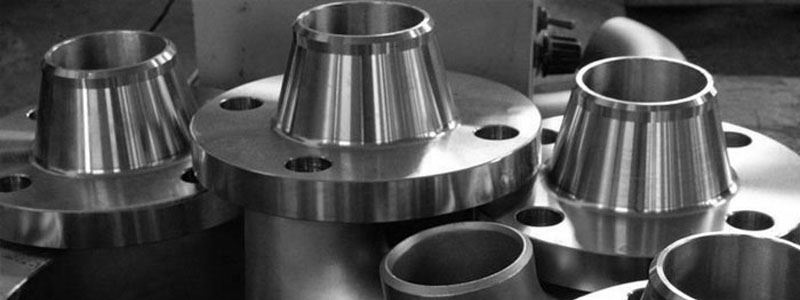
Weld neck flanges, designed with a long tapered hub, are often used in high-pressure systems. These flanges are welded to the pipe and give good reinforcement, and there is less tendency for fatigue cracks to occur in the neck of the flange. Weld neck Monel flanges are suitable for use in high-pressure and temperature applications since the design of these flanges relieves stress and increases the life of the flange.
Slip-On Flanges
Slip-on flanges are easy to install and require minimal welding. They simply slide over the pipe and are then welded on both the inside and outside for a secure connection. Slip-on Monel flanges are typically used in low-pressure applications. They are cost-effective options for projects that do not require heavy-duty strength.
Socket Weld Flanges
Socket weld flanges are for small pipes and only one weld is made on the outer surface of the flange. This design results to a smooth bore and good flow characteristics. These Monel flanges are especially applied to the high pressure service with small bores, providing a sound and leak-proof joint.
Blind Flanges
Blind flanges close off the ends of pipes, valves, or pressure vessel openings. Unlike other flanges, blind flanges do not have a bore, making them perfect for terminating a pipe where flow needs to be stopped. Monel blind flanges provide a secure seal and are commonly used in systems needing future expansion or inspection.
Lap Joint Flanges
Lap joint flanges consist of two pieces: one of the flange and a stub end. These flanges are provided in such a way that they can be rotated around the pipe to better align them. Monel lap joint flanges are used in systems that are often disassembled and reassembled. They are used in applications where they can be easily maintained and aligned.
Threaded Flanges
Threaded flanges are unique in that they can be installed without welding. Instead, they have a threaded bore that allows them to be screwed onto pipes with matching threads. Threaded Monel Flanges are ideal for low-pressure applications and situations where isn’tng isn’t feasible.
Choosing the Right Monel Flange for Your Project
Selecting the right Monel flange depends on your system requirements, such as pressure levels, temperature, and installation environment. Here are some factors to consider:
- Pressure Requirements: High-pressure systems typically require weld neck or socket weld flanges, which provide greater reinforcement.
- Installation Conditions: Lap joint flanges are a practical choice for systems requiring frequent assembly and disassembly.
- Cost and Complexity: Threaded and slip-on flanges are generally more cost-effective and easier to install but may not be suitable for high-pressure applications.
Applications of Monel Flanges
A variety of applications use Monel flanges extensively for their flexibility and corrosion-resistant properties. Here are some common applications:
- Marine Industry: One has exceptional resistance to seawater, which makes these flanges suitable for use in shipbuilding, offshore structures, and other marine industries.
- Chemical Processing: Monel flanges are commonly used in chemical plants where high resistance to acidic and alkaline solutions is required.
- Oil and Gas: Monel flanges are used in oil and gas refineries to make safe and long-lasting joints in areas where stresses are high.
- Power Generation: Monel is often used in power plants where there is high temperature and high corrosion rate.
Conclusion
Monel Flanges are available in different forms, and each type has its uses in industries that require parts that are resistant to corrosion and have high strength. The following are characteristics of each type of Monel flange that will help you decide which to use to improve the system’s performance and durability. Marine, chemical processing, and oil and gas industries use Monel flanges to join pipes and other equipment in severe conditions.