Are you tired of your pipeline system not reaching its full potential? Installing and maintaining SS elbows in your piping system can help improve the performance of your setup, resulting in better flow rates and more efficient energy use. In this blog post, we’ll cover everything you need to know about installing and maintaining SS elbows correctly–from the tools you’ll need for installation to assessing wear regularly. We’ll help you save time while ensuring optimal performance from these components over the long term!
What are SS Elbows?
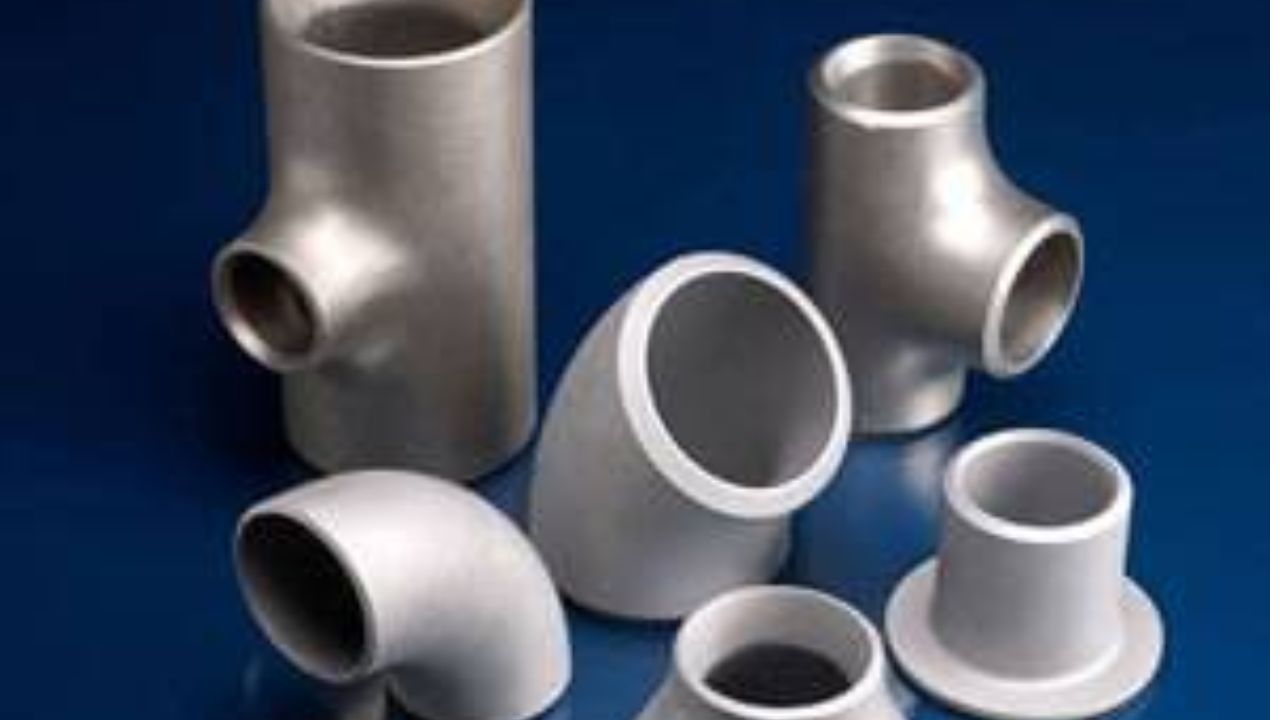
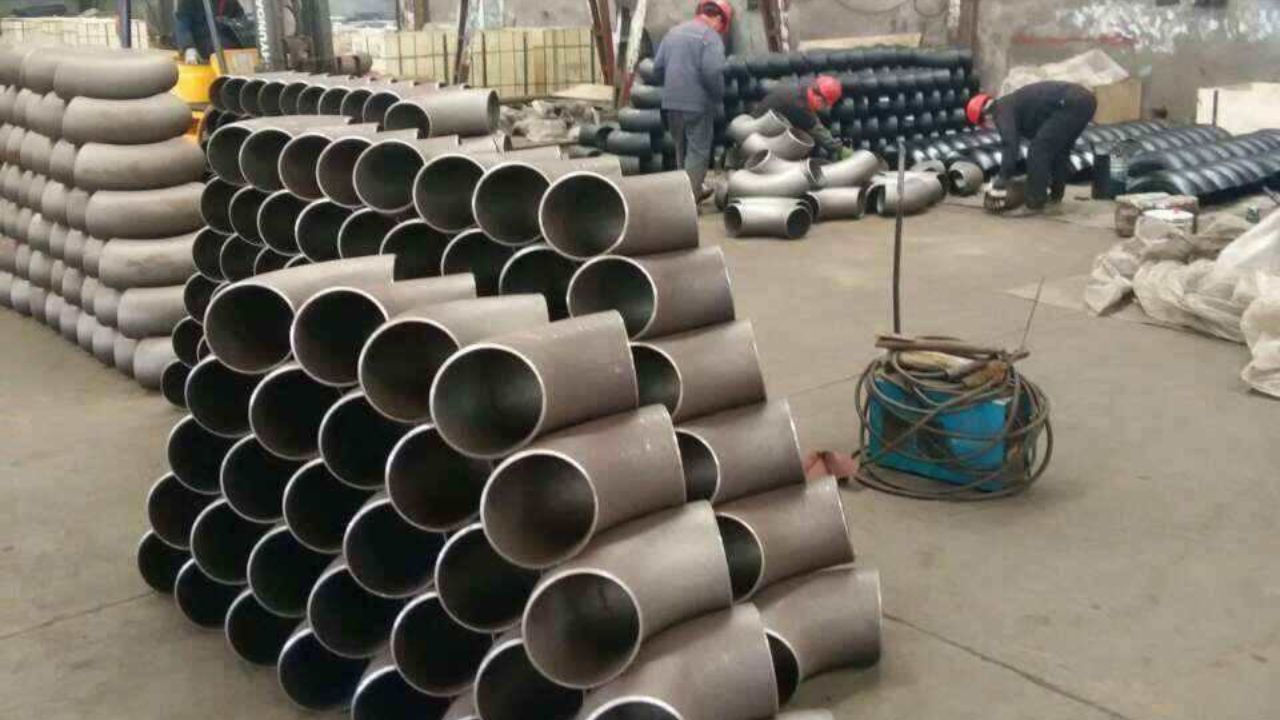
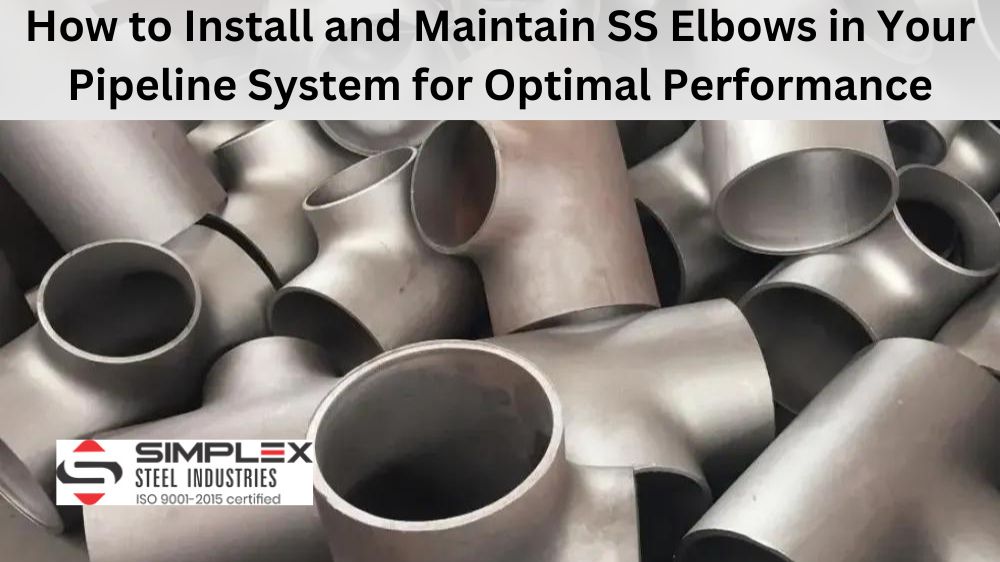
SS Elbows are a type of pipe fitting used to change the flow direction in a piping system. Made from stainless steel, these elbows come in various sizes and diameters according to the size of the tubing being connected. SS Elbows offer corrosion resistance due to their robust composition, making them highly durable and reliable for indoor and outdoor projects. They provide leak-proof joints with superior strength and are often used in industrial applications such as connecting gas lines or water mains. SS Elbows can also be used for interior plumbing systems such as bathroom fixtures, enabling pipes to bend around obstacles like walls or ceilings – making them an ideal choice for difficult projects!
How to Install and Maintain SS Elbows
Proper installation of SS elbows:
Before installing SS elbows, ensuring the fittings are compatible with the pipeline system is important. The fittings should also have the required pressure rating and temperature range suitable for the system. Once the fittings are selected, clean the pipe ends and fittings thoroughly to remove any contaminants that may interfere with the joint. Apply a lubricant or Teflon tape on the threads of the fittings to ensure a leak-tight joint. Tighten the fittings using appropriate tools until they are snug. However, keep the fittings intact, which can damage the threads and cause leaks.
Regular inspections:
Regular inspections are vital to maintaining the optimal performance of SS elbows. Inspections help detect any signs of corrosion, leaks, or mechanical damage to the fittings. Inspect the pipelines and fittings regularly for any signs of rust, discolouration, cracks, or dents. Corrosion can result from exposure to harsh chemicals, high temperatures, or acidic environments. If any issues are found, address them immediately to prevent further damage and reduce the risk of downtime.
Cleaning and maintenance:
Regular cleaning and maintenance are essential to keep SS elbows in optimal working condition. Clean the fittings thoroughly using mild detergents and water to remove any dirt or debris that might have accumulated over time. Avoid using corrosive or abrasive detergents that can damage the surface of the fittings. After cleaning, dry the fittings thoroughly to prevent the buildup of moisture that can cause corrosion. Lubricate the threads of the fittings regularly using a suitable lubricant recommended by the manufacturer to prevent them from seizing.
Proper handling:
Proper handling of SS elbows during installation, maintenance, and transportation is critical to prevent damage to the fittings. Avoid dropping or hitting the fittings against hard surfaces, as this can cause mechanical damage that may compromise the joint. Store the fittings in a clean and dry area away from harsh chemicals, moisture, or corrosive substances that can cause damage to the surface of the fittings.
Seek professional assistance when needed:
When in doubt, seek the assistance of a qualified professional. If you need clarification on installing or maintaining SS elbows, seek the assistance of a professional technician with experience in industrial pipeline systems. The technician can inspect the pipeline system, diagnose any issues, and provide appropriate solutions to optimize the performance and longevity of SS elbows.
Conclusion:
Installing and maintaining SS elbows is critical to achieving optimal performance and preventing costly downtime for your pipeline system. Proper installation, regular inspections, cleaning, maintenance, and proper handling are some of the best practices that can help ensure the longevity and reliability of SS elbows. Adhering to these guidelines and seeking professional assistance can keep your pipeline system functioning optimally for years.