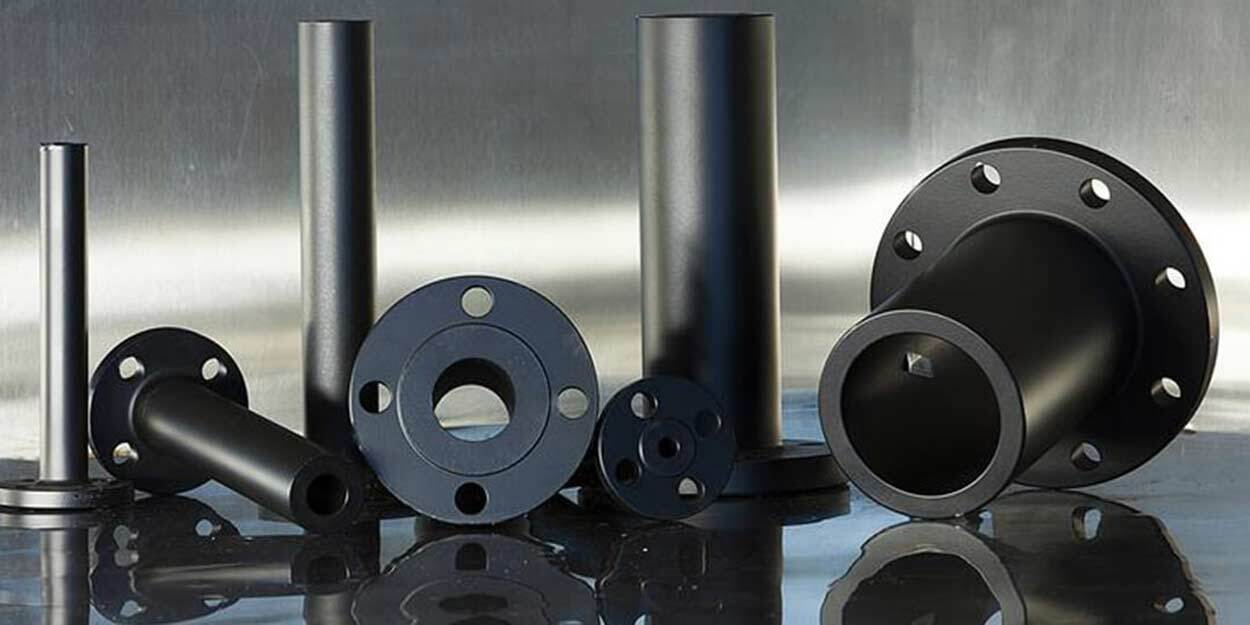

Stainless steel is a versatile material that has widespread applications in different industries because of its superior corrosion resistance, endurance and adaptability. Among the many grades of stainless steel available Stainless Steel 304 and 304L tubes are two of the most popular ones. Even though they have many things in common, some differences allow them to be used for different purposes. This blog discusses the uses of Stainless Steel 304 vs 304L tubes, their benefits and main differences to assist you in making a choice.
What is Stainless Steel 304 Tubes?
Stainless Steel 304 Tubes are manufactured using an austenitic stainless steel alloy with a composition of 18% chromium and 8% nickel. Stainless Steel Grade 304 is one of the most widely used stainless steel grades due to its high strength, good corrosion resistance, and formability. SS 304 tubes are used in many industries where resistance to the environment and durability are essential.
Advantages of Stainless Steel 304 Tubes
- Corrosion Resistance: Stainless Steel 304 tubes are resistant to oxidation and corrosion. This makes it suitable to operate in corrosive and humid environments ensuring performance and longevity in harsh conditions.
- High Strength: These tubes possess very good tensile and yield strength enabling them to resist substantial mechanical stress. This makes it ideal for use in applications requiring strong structural integrity.
- Heat Resistance: SS 304 tubes can endure high temperatures, making them suitable for heat exchangers, boilers, and industrial heating applications. Their ability to maintain strength at elevated temperatures enhances their reliability.
- Easy Fabrication: The material is simple to weld, cut and shape letting manufacturers make intricate designs and structures with ease. This characteristic makes SS 304 tubes a popular option in industries that need precise manufacturing.
- Low Maintenance: Being anti-corrosive Stainless Steel 304 needs low maintenance which lowers overall operation costs. This makes it cost-effective for long-term use.
Applications of Stainless Steel 304 Tubes
- Food Processing Industry: SS 304 tubes are used in the production of food-grade piping systems, dairy equipment, and beverage processing plants. Their hygienic properties and resistance to contamination make them ideal for such applications.
- Chemical Industry: Such tubes are used in carrying chemicals and liquids with corrosion and contamination resistance requirements. Their strength delivers safe handling for aggressive chemicals.
- Construction Sector: Stainless Steel 304 tubes are utilized in architectural structures, handrails, and support beams due to their durability and aesthetic appeal. Their corrosion resistance ensures longevity in outdoor applications.
- Pharmaceutical Sector: SS 304 tubes are applied in sterile situations like medical devices, lab tools and cleanroom applications. They are safe for use in pharmaceuticals and medicine due to their non-reactive properties.
- Automobile Industry: Exhaust systems and structural components contain such tubes because of their corrosion and heat resistance. Its lightness and strength are helpful in vehicle efficiency.
What is Stainless Steel 304L Tube
Stainless Steel 304L Tubes are a low carbon version of SS 304 with a maximum carbon limit of 0.03%. The low carbon variation improves the weldability of the material and minimizes the risk of carbide precipitation in welding that could otherwise cause corrosion problems. SS 304L tubes are especially useful for applications involving extensive welding without post-weld annealing.
Advantages of Stainless Steel 304L Tubes
- Better Weldability: It has less carbon content, Stainless Steel 304L tubes do not precipitate carbides upon welding. Therefore they are well suited for use in welding-intensive applications that do not necessitate post-weld heat treatment.
- Improved Corrosion Resistance: The lower carbon content prevents intergranular corrosion, enhancing the lifespan of the tubes in aggressive environments. This makes it ideal for application in chemically aggressive environments.
- Enhanced Corrosion Resistance: The lower carbon content prevents intergranular corrosion, enhancing the lifespan of the tubes in aggressive environments. This makes them ideal for application in chemically aggressive environments.
- Versatility: SS 304L tubes can be used as a replacement for 304 tubes in most applications, thus making them extremely versatile. Their flexibility guarantees their applicability across various industries.
- Excellent Strength: Slightly lower in strength than SS 304, these tubes retain excellent mechanical properties. It has adequate strength for structural and industrial uses.
- Cost-Effective: They do not need post-weld heat treatment Stainless Steel 304L tubes minimize overall fabrication costs. This makes them a cost-effective option for mass applications.
Applications of Stainless Steel 304L Tubes
- Marine Applications: SS 304L tubes are used in shipbuilding and offshore equipment where corrosion resistance is critical. Their ability to withstand saltwater exposure makes them ideal for marine environments.
- Petroleum Industry: These tubes are suitable for pipelines and offshore drilling platforms because they are durable and resistant to corrosive factors. They provide safe and efficient oil and gas transportation.
- Heat Exchangers: SS 304L tubes are utilized in heat-resistance industries, including power generation and chemical plants. Their temperature-resistant performance keeps it consistent even at high heat making it dependable in heat applications.
- Medical Equipment: These tubes are found in surgical instruments and biomedical devices due to their biocompatibility and non-reactive nature. Their high hygiene standards make them suitable for medical use.
- Water Treatment Plants: SS 304L tubes are applied in desalination plants, water purification units, and municipal water supply owing to their resistance to corrosion.Its strength provides long-term efficiency in water processing operations.
What is the Difference Between 304 vs. 304L Stainless Steel Tubes?
The main distinction between Stainless Steel 304 and 304L tubes is their carbon content. SS 304 has a higher carbon percentage which gives it greater strength but also makes it more susceptible to carbide precipitation when welded. In contrast, SS 304L has a lower carbon content which helps minimize the risk of intergranular corrosion and enhances its weldability. While SS 304 provides a bit better mechanical strength, SS 304L is often the preferred choice for applications that involve a lot of welding and environments where corrosion resistance is important.
Which One to Choose?
Selection between Stainless Steel 304 and 304L tubes relies on the particular application need. If durability and strength are of utmost concern SS 304 tubes are a perfect option. If there is considerable welding or the application needs exceptional corrosion resistance, SS 304L tubes are the most appropriate. Both grades offer good performance but using the correct one provides maximum efficiency and longevity.
Conclusion
Stainless Steel 304 and 304L pipes are very versatile materials used across a variety of industries. They are very similar but the variation in the carbon content of the two affects the weldability and corrosion-resistance. Their benefits and usages facilitate a decision about utilizing the proper material for certain industrial requirements. Regardless of construction, chemical processing, food processing or medical device applications SS 304 as well as SS 304L pipes are an excellent choice due to their exemplary performance that maintains long-term consistency and efficiency.