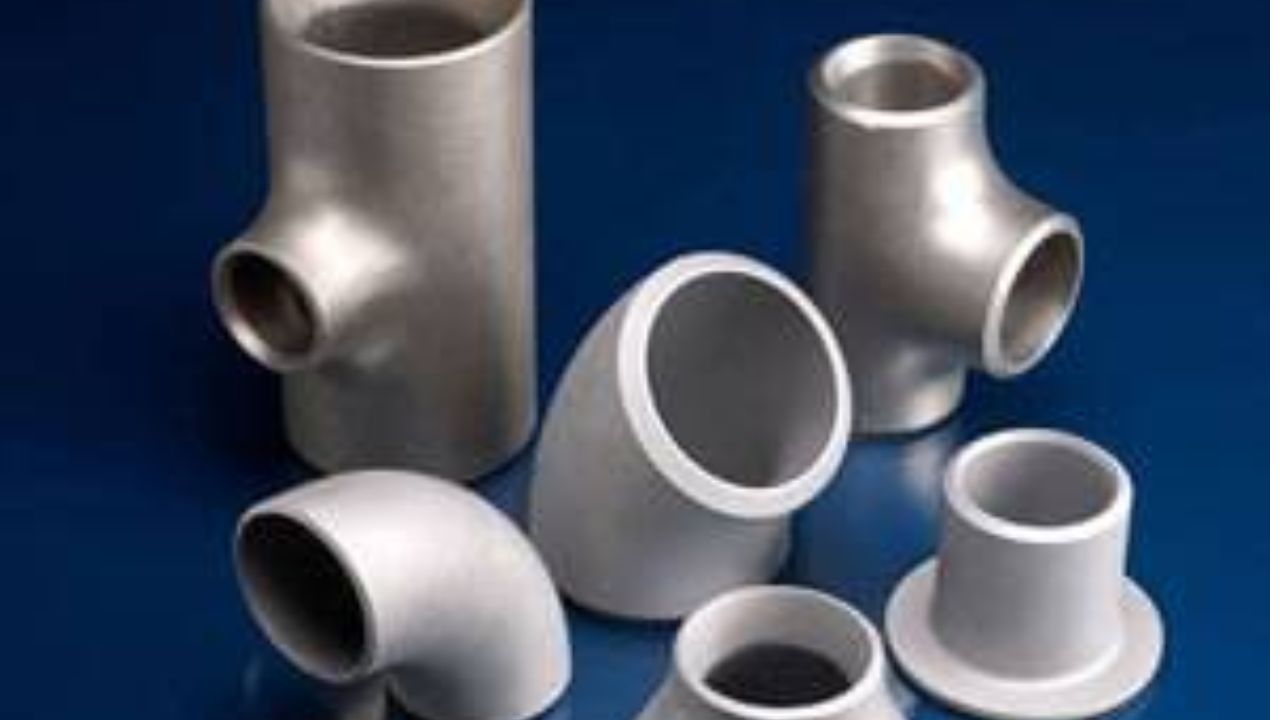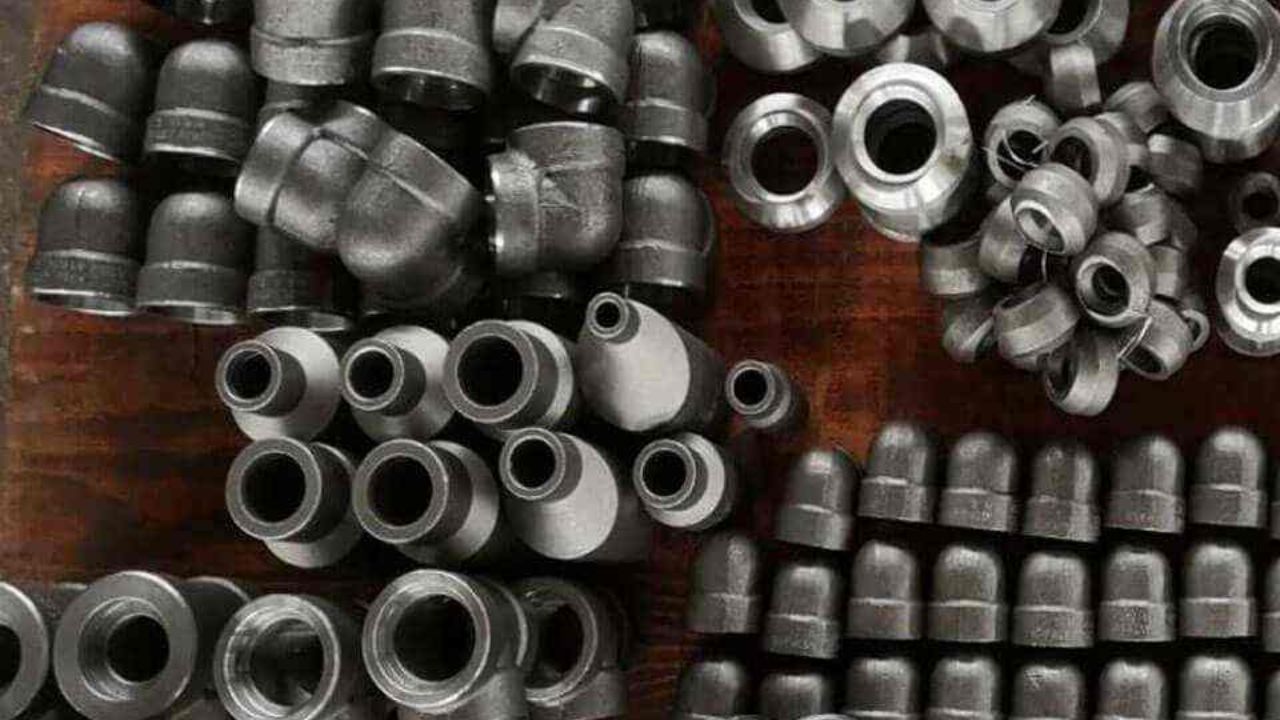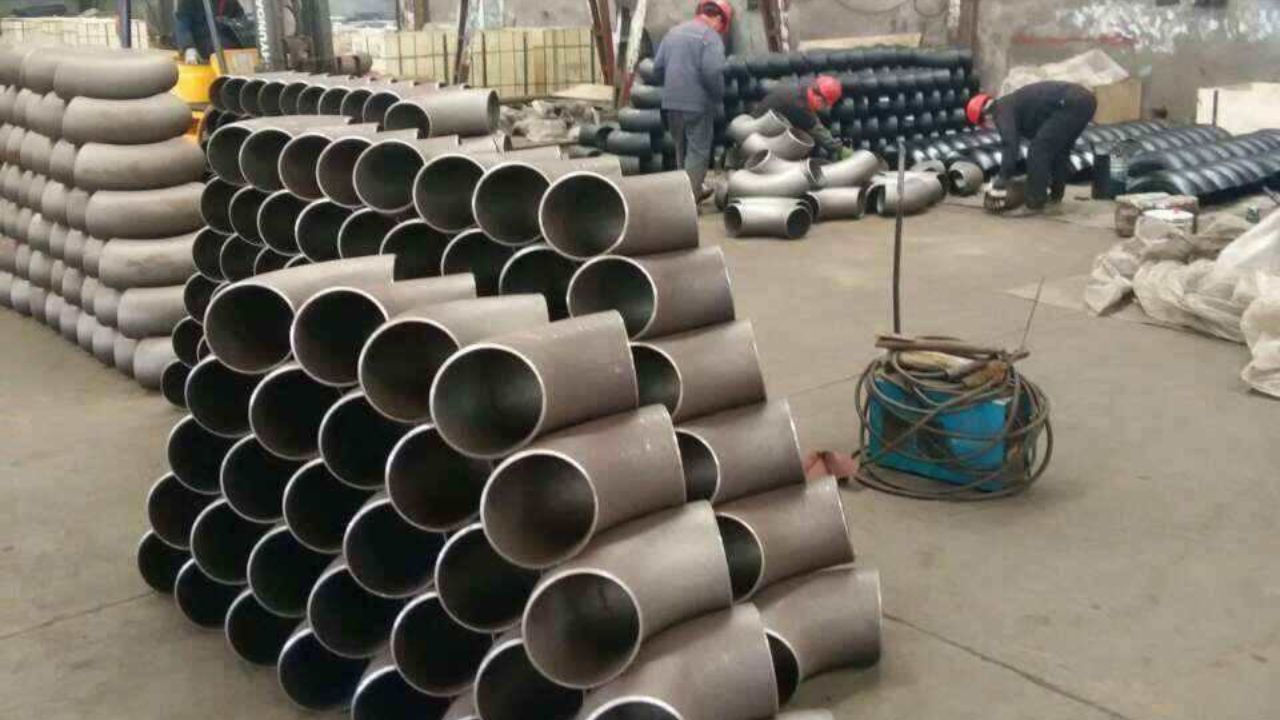

In HVAC systems, connection integrity is crucial for maintaining performance and efficiency. One essential component in achieving this is using stainless steel forged fittings. These fittings are renowned for their durability, strength, and reliability, making them ideal for high-pressure and high-temperature applications.
Why Stainless Steel Forged Fittings?
Stainless steel forged fittings stand out due to their superior resistance to corrosion, high tensile strength, and exceptional durability. Unlike standard fittings, forged fittings are created by heating and shaping stainless steel under high pressure, resulting in greater strength and resistance to leaks. This manufacturing process ensures that the fittings can withstand the demanding conditions of HVAC systems, where even minor leaks can lead to significant efficiency losses and increased maintenance costs.
Benefits of Stainless Steel Forged Fittings in HVAC Systems
Leak-Proof Reliability: One of the most significant advantages of stainless steel forged fittings is their ability to provide leak-proof connections. The forging process enhances the material’s grain structure, making it more resistant to wear and tear. This reliability is crucial in HVAC systems, where leaks can compromise system performance and lead to costly repairs.
Enhanced Durability: HVAC systems often operate under varying pressures and temperatures. Stainless steel forged fittings are designed to handle these extremes without compromising structural integrity. Their resistance to high temperatures and pressure fluctuations ensures long-term performance and reduces the risk of system failure.
Corrosion Resistance: Stainless steel’s inherent resistance to corrosion makes it an excellent choice for HVAC applications, where exposure to moisture and chemicals is common. Forged fittings maintain their strength and functionality even in harsh environments, contributing to the overall longevity of the HVAC system.
Ease of Installation: Stainless steel forged fittings are engineered for precision, ensuring a snug fit that simplifies installation. This ease of installation reduces assembly time and minimises the potential for installation errors that could lead to leaks.
Cost-Effectiveness: While stainless steel forged fittings may come with a higher initial cost than other types, their durability and reliability often result in lower long-term costs. Reduced maintenance and fewer replacements contribute to overall cost savings.
Applications in HVAC Systems
Stainless steel forged fittings are commonly used in various HVAC applications, including:
Piping Systems: Ensuring secure connections in both high-pressure and high-temperature piping systems.
Refrigeration Lines: Withstanding the demands of refrigerant transport and pressure variations.
Air Conditioning Units: Providing robust connections that enhance system efficiency and reliability.
Conclusion
In conclusion, stainless steel forged fittings are critical for ensuring leak-proof connections in HVAC systems. Their strength, durability, and resistance to corrosion make them a preferred choice for professionals seeking reliable and long-lasting solutions. Investing in high-quality stainless steel forged fittings enhances the performance of HVAC systems and contributes to their overall efficiency and longevity.
For those looking to optimise their HVAC systems, incorporating stainless steel forged fittings is a decision that pays off in reliability, performance, and cost-effectiveness.