
Are you in the market for a reliable flange that can offer exceptional performance and long-lasting strength? Many industrial and commercial applications have successfully used CS flanges, making them an excellent choice. This blog post explores the advantages of flanges, including their corrosion resistance, design flexibility, cost-effectiveness, and how they compare with other types of metals. Read on to learn all you need to know about carbon steel flanges to make an informed decision when selecting your next high-grade component.
What are Carbon Steel Flanges?
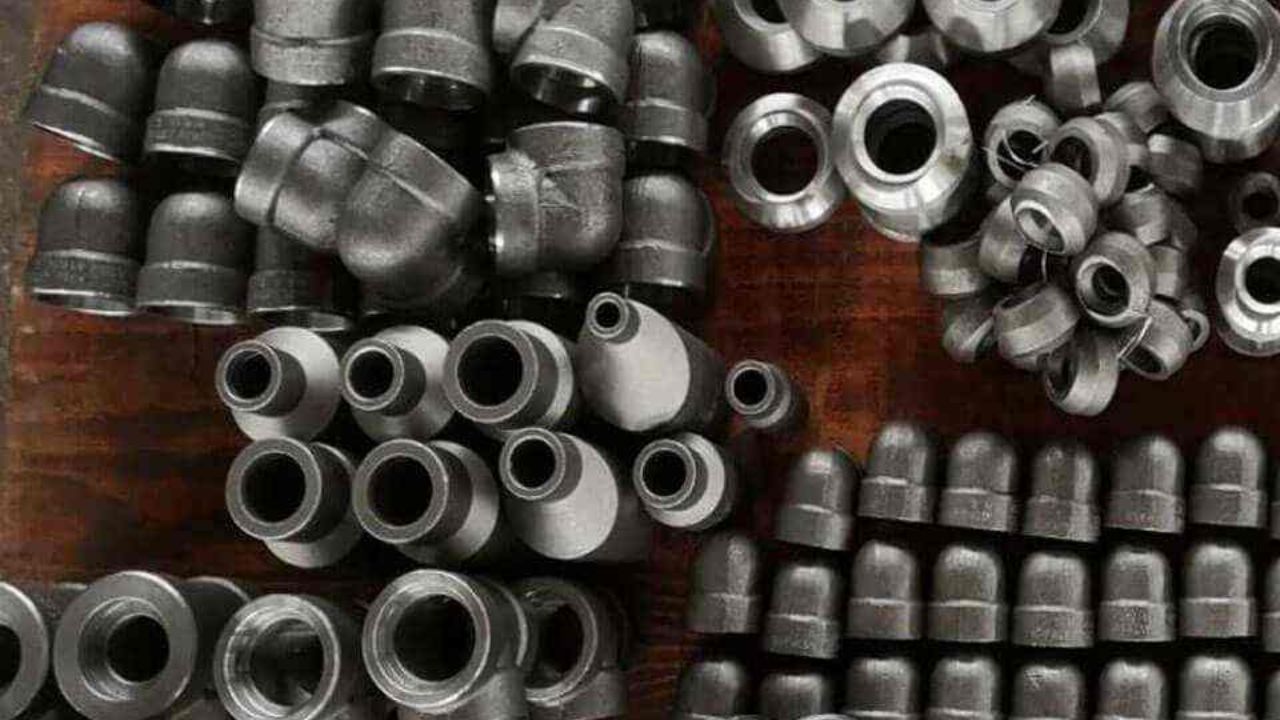
Carbon steel flanges form connections between two sections of a pipeline or pipe, providing support and allowing secure opening and closing. The construction of pipes and pipelines utilizes them as essential components. Common carbon steel flanges include weld neck, slip-on, socket weld, lap joint, threaded and blind. They come in different grades to withstand various temperatures and pressures for different applications ranging from oil refineries to water treatment plants.
Uses of Carbon Steel Flanges
Industries across the board utilize carbon steel flanges for their strength, corrosion resistance, and affordability. In the petroleum industry, for example, they serve as seals between pipes or around pump shafts. Mechanical engineering relies on them for bolt pressure and airtight connections in pressure vessel components. They find application in marine equipment and ships as well. They are also crucial for acid transfer lines, natural gas pipelines, medical X-ray Fluoroscopy systems, aerospace manufacturing for weight savings, high-temperature durability in oil refineries, and even food processing operations for ingredient transfers.
Types of CS Flanges
There are several types of CS flanges, including slip-on, weld-neck, threaded, blind, lap-joint, and socket-weld flanges. Each type has a unique design and application. Slip-on flanges are the most popular type and ideal for low-pressure applications. On the other hand, weld-neck flanges are suitable for high-pressure applications because they have a high bore diameter.
Choosing the Right Carbon Steel Flanges
When choosing CS flanges for your business, you must consider several factors. These include the pipe size, the system’s pressure, and the type of gasket needed to seal the joint. It is essential to consider the materials used in the piping system to ensure that the CS flanges are compatible. These flanges are available in various sizes, pressure ratings, and materials, and any certified supplier can help you choose the right one.
Conclusion:
Carbon steel flanges are essential components in piping systems due to their strength, durability, and resistance to corrosion. Various industries, including construction, oil and gas, and shipbuilding, widely use them. Understanding the different types of flanges can help you choose the right one for your business’s needs. Buying CS flanges that meet your system’s specifications and ensuring their compatibility with the materials used in the piping system is essential. Choosing the right CS flanges for your piping systems ensures reliability and safety in your operations.